THE ADVENTURE COLLECTIVE® · Independent discovery and booking for outdoor travel

Beat the crowds with an early-access visit to Teotihuacan’s pyramids, then descend into La Gruta, a volcanic cave-turned-restaurant for an atmospheric meal. This guided day trip pairs morning light on ancient stone with authentic Mexican flavors in a unique setting.
Beat the crowds with an early-access visit to Teotihuacan’s pyramids, then descend into La Gruta, a volcanic cave-turned-restaurant for an atmospheric meal. This guided day trip pairs morning light on ancient stone with authentic Mexican flavors in a unique setting.
You arrive before the sun fully warms the plaza and the Avenue of the Dead stretches ahead like a slow, deliberate heartbeat. Mist lifts from the volcanic stone; the Pyramid of the Sun looms, its terraces catching first light while the city around it sleeps.
Verified experiences and guided adventures in the surrounding area.
Operated by Experiencias Mexicanas · San Juan Teotihuacán, State of Mexico
You arrive before the sun fully warms the plaza and the Avenue of the Dead stretches ahead like a slow, deliberate heartbeat. Mist lifts from the volcanic stone; the Pyramid of the Sun looms, its terraces catching first light while the city around it sleeps.
Walk with an expert guide along the broad central axis, learning how ancient builders shaped obsidian, limestone and volcanic tuff into platforms that still command the Basin of Mexico. Geologically, Teotihuacan sits on layers of basalt and pyroclastic deposits from nearby volcanoes; those same flows formed the cave where La Gruta now serves traditional dishes by lamplight. Culturally, this was one of Mesoamerica’s largest cities between roughly 100–700 CE—its urban plan and murals influenced societies across the region.
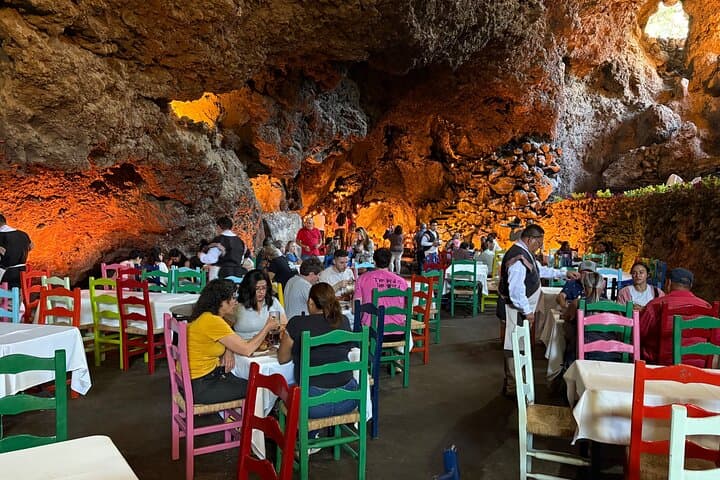
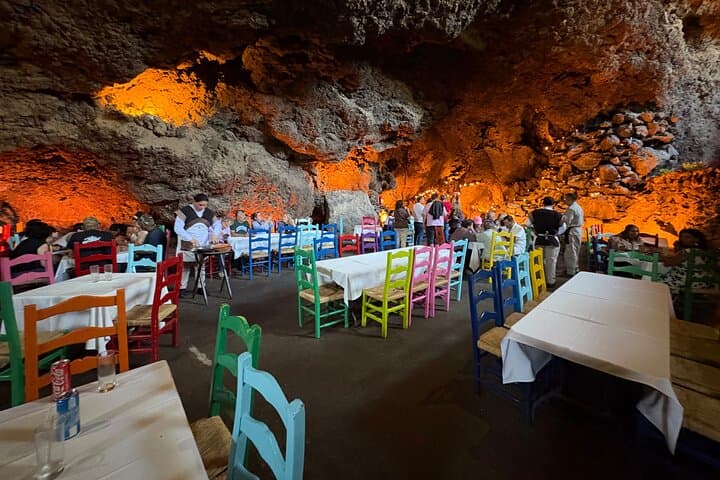
After archaeology and legends, you descend into La Gruta’s natural cavern for an atmospheric meal (food not included with the tour). The cool rock walls hold sound and history in equal measure, turning a simple lunch into a sensory echo of the past.
Practical notes: the tour runs about six hours with transport from Mexico City; wear sturdy shoes and bring sun protection and water. Expect uneven steps when climbing pyramids and short, sandy approaches between sites. Photography is exceptional in the early hours—bring extra batteries—and cash for meals at La Gruta. Respect site boundaries, follow your guide, and allow time to visit the small onsite museum for context. This combination of open-air archaeology and cave dining makes a full-day cultural adventure that’s as tactile as it is visual.
moderate.
6 hours.
Basic fitness for walking, stair climbing and uneven terrain; able to climb rocky steps.
Yes, entrance to the Archaeological Zone is included with this tour.
No, meals at La Gruta are not included; the restaurant accepts cash and card but small vendors may prefer cash.
The tour notes stroller accessibility for flat areas, but pyramids and many paths are uneven and not wheelchair friendly.
Typical transfer time is about one hour each way, depending on traffic and departure point.
Teotihuacan grew into a major urban center between roughly 100–700 CE, influencing trade and ritual across Mesoamerica; nearby volcanic activity shaped both the stone used in construction and the cave that houses La Gruta.
Stay on designated paths, avoid touching murals and stonework, and pack out trash; ongoing preservation efforts aim to reduce erosion from heavy foot traffic.
Experiencias Mexicanas operates guided outdoor trips and adventures with an emphasis on safety, stewardship, and memorable experiences.


You arrive before the sun fully warms the plaza and the Avenue of the Dead stretches ahead like a slow, deliberate heartbeat. Mist lifts from the volcanic stone; the Pyramid of the Sun looms, its terraces catching first light while the city around it sleeps.
You arrive before the sun fully warms the plaza and the Avenue of the Dead stretches ahead like a slow, deliberate heartbeat. Mist lifts from the volcanic stone; the Pyramid of the Sun looms, its terraces catching first light while the city around it sleeps.
Walk with an expert guide along the broad central axis, learning how ancient builders shaped obsidian, limestone and volcanic tuff into platforms that still command the Basin of Mexico. Geologically, Teotihuacan sits on layers of basalt and pyroclastic deposits from nearby volcanoes; those same flows formed the cave where La Gruta now serves traditional dishes by lamplight. Culturally, this was one of Mesoamerica’s largest cities between roughly 100–700 CE—its urban plan and murals influenced societies across the region.
After archaeology and legends, you descend into La Gruta’s natural cavern for an atmospheric meal (food not included with the tour). The cool rock walls hold sound and history in equal measure, turning a simple lunch into a sensory echo of the past.
Practical notes: the tour runs about six hours with transport from Mexico City; wear sturdy shoes and bring sun protection and water. Expect uneven steps when climbing pyramids and short, sandy approaches between sites. Photography is exceptional in the early hours—bring extra batteries—and cash for meals at La Gruta. Respect site boundaries, follow your guide, and allow time to visit the small onsite museum for context. This combination of open-air archaeology and cave dining makes a full-day cultural adventure that’s as tactile as it is visual.