THE ADVENTURE COLLECTIVE® · Independent discovery and booking for outdoor travel

Catch Machu Picchu at first light on a compact 2-day loop from Cusco. This small-group tour pairs Sacred Valley ruins with an early guided visit to the citadel, plus Expedition train travel and local insights.
Catch Machu Picchu at first light on a compact 2-day loop from Cusco. This small-group tour pairs Sacred Valley ruins with an early guided visit to the citadel, plus Expedition train travel and local insights.
Before sunrise the valley exhales cool mist and the Vilcanota River dares you to look up — terraces climb like steps carved into the Andes and the railway hums toward Aguas Calientes. On day one you move slowly through Pisac’s hanging agricultural terraces and the living stonework of Ollantaytambo, where Inca masonry meets sheer mountain. The second day begins before dawn: the first bus to Machu Picchu delivers visitors to the citadel’s gate as light slices between peaks and llamas browse terraces below.
Verified experiences and guided adventures in the surrounding area.
Operated by VTM Peru · Machu Picchu (Aguas Calientes), Cusco
Before sunrise the valley exhales cool mist and the Vilcanota River dares you to look up — terraces climb like steps carved into the Andes and the railway hums toward Aguas Calientes. On day one you move slowly through Pisac’s hanging agricultural terraces and the living stonework of Ollantaytambo, where Inca masonry meets sheer mountain. The second day begins before dawn: the first bus to Machu Picchu delivers visitors to the citadel’s gate as light slices between peaks and llamas browse terraces below.
The Sacred Valley sits around 2,900–3,000 m and was the agricultural heartland of the Inca, shaped by glacial valleys and the Vilcanota’s erosive force. Pisac’s market preserves Quechua craft traditions; Ollantaytambo still carries street patterns from pre-Columbian times. Aguas Calientes (Machupicchu Pueblo) is a transit town built for access to the Sanctuary and its hot springs.
Practically: bring your passport for entrance checks and expect early starts — the guided citadel tour runs 2–2.5 hours and includes buses and an Expedition train segment. Elevation and uneven stone paths mean sturdy footwear, layered clothes, and steady hydration matter more than speed. Trains and bus seats are scheduled, so confirm pickup times and keep printed or mobile tickets handy. Plan for variable weather: sun can hit hard at midday and rain can appear swiftly.
This itinerary balances culture, geology, and tight logistics — arrive rested, move deliberately, and let the Andes set the rhythm.
moderate.
2 days.
Suitable for travelers with basic fitness; able to walk on uneven stone steps and manage altitude for short periods.
Yes — the Expedition train segment between Ollantaytambo and Aguas Calientes is included as described in the itinerary.
Yes — the citadel verifies passports at the entrance, so carry the same passport you used to book the tour.
The guided walk covers uneven stone terraces and stairs over 2–2.5 hours; it’s not a technical hike but requires comfortable mobility and altitude awareness.
Full refund is available if cancelled at least 24 hours before the scheduled departure time, per the booking terms.
The Sacred Valley was a strategic agricultural and spiritual zone for the Inca; Ollantaytambo preserves street layouts and fortress works used in 16th-century resistance.
Visitor limits at Machu Picchu and regulated entry times aim to reduce erosion and crowding; stick to marked paths and avoid single-use plastics.
VTM Peru operates guided outdoor trips and adventures with an emphasis on safety, stewardship, and memorable experiences.
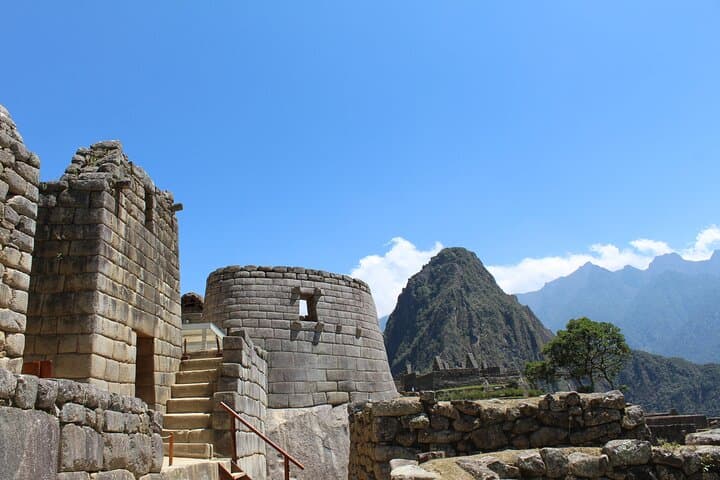
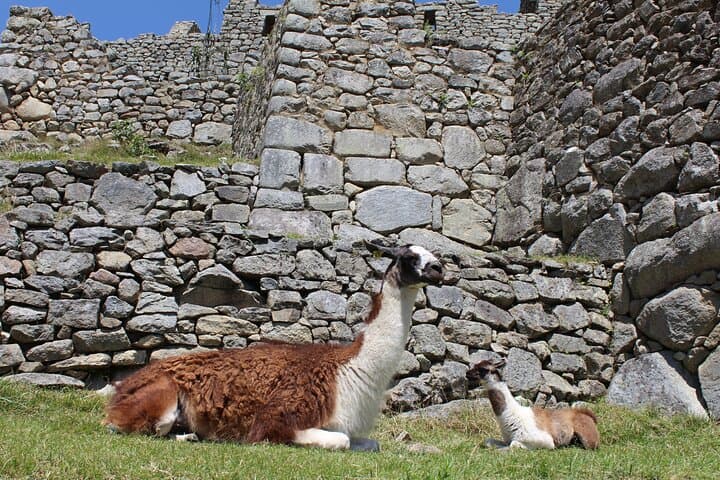
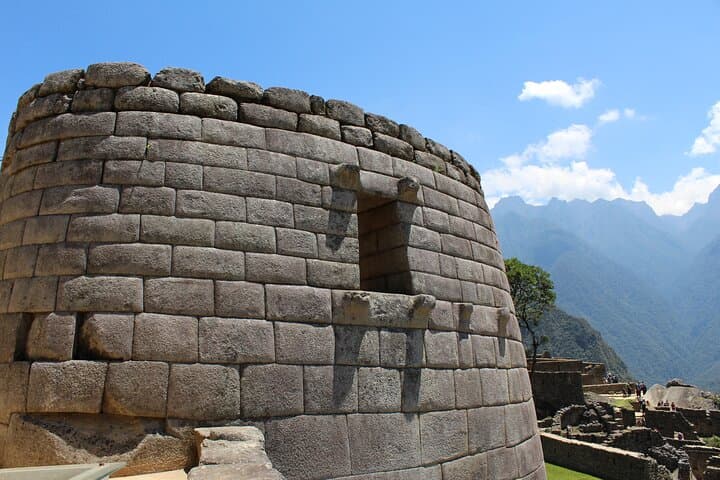
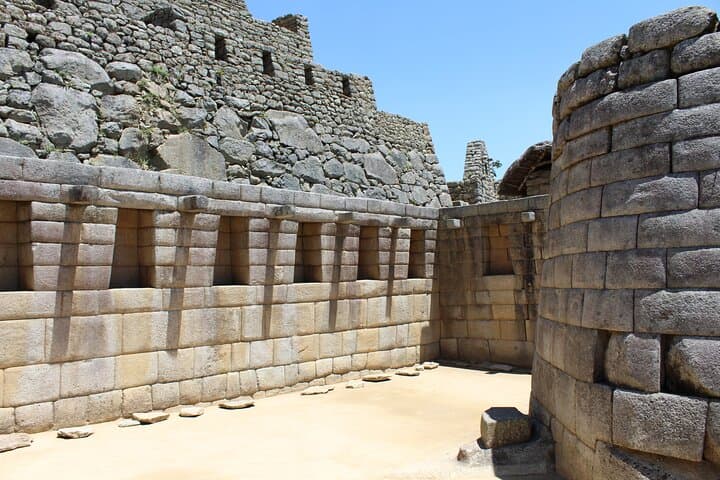
Before sunrise the valley exhales cool mist and the Vilcanota River dares you to look up — terraces climb like steps carved into the Andes and the railway hums toward Aguas Calientes. On day one you move slowly through Pisac’s hanging agricultural terraces and the living stonework of Ollantaytambo, where Inca masonry meets sheer mountain. The second day begins before dawn: the first bus to Machu Picchu delivers visitors to the citadel’s gate as light slices between peaks and llamas browse terraces below.
Before sunrise the valley exhales cool mist and the Vilcanota River dares you to look up — terraces climb like steps carved into the Andes and the railway hums toward Aguas Calientes. On day one you move slowly through Pisac’s hanging agricultural terraces and the living stonework of Ollantaytambo, where Inca masonry meets sheer mountain. The second day begins before dawn: the first bus to Machu Picchu delivers visitors to the citadel’s gate as light slices between peaks and llamas browse terraces below.
The Sacred Valley sits around 2,900–3,000 m and was the agricultural heartland of the Inca, shaped by glacial valleys and the Vilcanota’s erosive force. Pisac’s market preserves Quechua craft traditions; Ollantaytambo still carries street patterns from pre-Columbian times. Aguas Calientes (Machupicchu Pueblo) is a transit town built for access to the Sanctuary and its hot springs.
Practically: bring your passport for entrance checks and expect early starts — the guided citadel tour runs 2–2.5 hours and includes buses and an Expedition train segment. Elevation and uneven stone paths mean sturdy footwear, layered clothes, and steady hydration matter more than speed. Trains and bus seats are scheduled, so confirm pickup times and keep printed or mobile tickets handy. Plan for variable weather: sun can hit hard at midday and rain can appear swiftly.
This itinerary balances culture, geology, and tight logistics — arrive rested, move deliberately, and let the Andes set the rhythm.