THE ADVENTURE COLLECTIVE® · Independent discovery and booking for outdoor travel

Two days of early-access history and mountain travel: explore alpaca farms and Inca terraces in the Sacred Valley, then arrive at Machu Picchu before the crowds. This small-group tour bundles transport, guides, permits and an overnight in Aguas Calientes for a focused, manageable visit.
Two days of early-access history and mountain travel: explore alpaca farms and Inca terraces in the Sacred Valley, then arrive at Machu Picchu before the crowds. This small-group tour bundles transport, guides, permits and an overnight in Aguas Calientes for a focused, manageable visit.
You wake before sunrise on the second day, the mountain air sharp as a blade, and ride the bus up the hairpin road while fog pulls back from terraces and cliffs.
Verified experiences and guided adventures in the surrounding area.
Operated by Qoricancha Expeditions · Aguas Calientes (Machu Picchu Pueblo), Cusco Region
You wake before sunrise on the second day, the mountain air sharp as a blade, and ride the bus up the hairpin road while fog pulls back from terraces and cliffs.
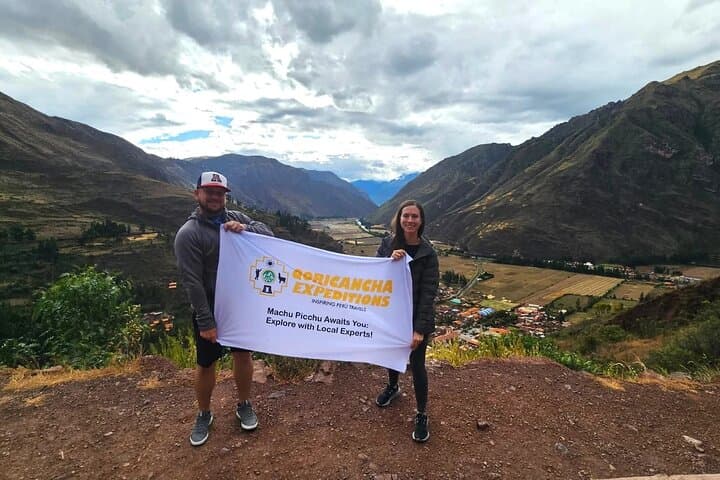
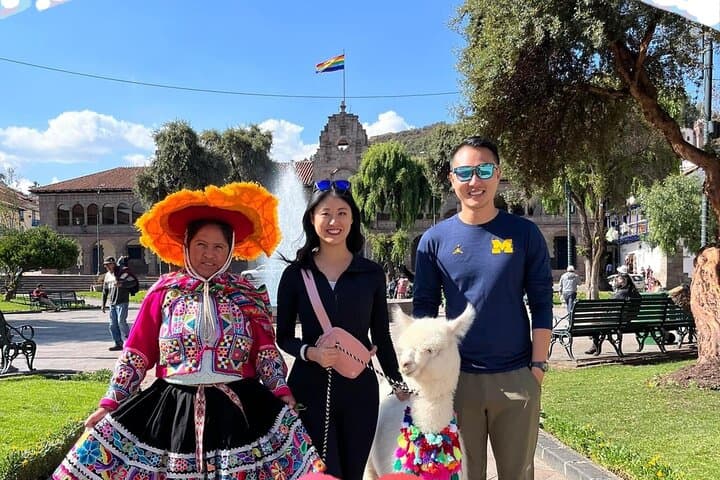
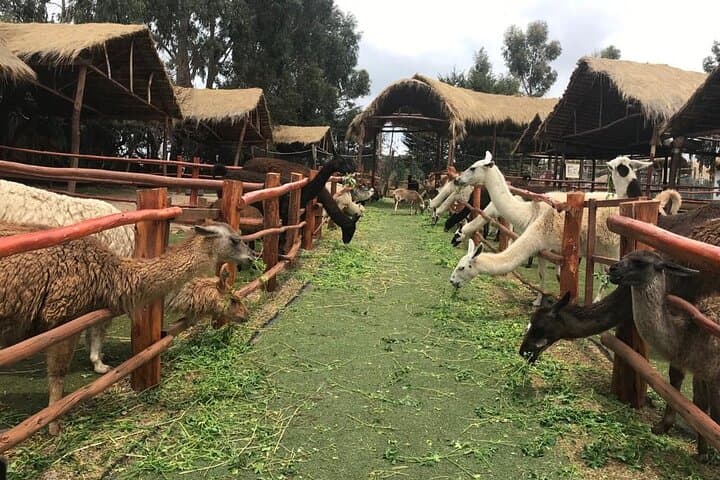
The first day unfolds along the Sacred Valley — a living landscape of stone terraces, Inca forts and highland villages. Start at a family-run alpaca farm where soft-fleeced llamas and alpacas graze and local weavers demonstrate backstrap loom techniques. At Pisac, stepped agricultural terraces and cemetery niches reveal how the Incas worked altitude into food production. Ollantaytambo’s massive fittings and sunlit plazas show engineering honed for defense and ceremony. A late afternoon train carries you to Aguas Calientes, the small town that serves Machu Picchu.
At dawn the next morning you ascend to the citadel as the sun pries light from the valley. Machu Picchu’s finely cut stone, agricultural sectors and trapezoidal doorways reflect a culture skilled in astronomy, hydraulics and microclimate farming. The granite cliffs and steep ridges that cradle the site are part of the Andean uplift — a rugged geological stage that tests both boots and lungs.
Practical guidance: acclimatize in Cusco for 24–48 hours before high-altitude walking; pack a waterproof layer and sturdy footwear for wet, uneven trails; carry at least 1–2 liters of water and altitude remedies if you're susceptible to sickness. Early starts pay off — you’ll meet fewer crowds and catch the light when the stone glows. Trains, bus tickets and entrance permits are handled by the operator, but bring originals for inspection and confirm train times the evening before. Expect moderate walking on uneven stone and stairs; allow extra time for photography and quiet moments among the ruins.
moderate.
2 days (approx. 8–10 hrs day 1; 6–8 hrs day 2).
Moderately fit — comfortable walking on uneven, stepped terrain at altitude; expect several hours on your feet each day.
Yes. Spend at least 24 hours in Cusco to help your body adjust to ~3,400m before traveling higher to Ollantaytambo and Aguas Calientes.
This tour includes round-trip train tickets, bus up to Machu Picchu and all entry fees as described—confirm your train times the night before departure.
The guided visit involves walking on uneven stone, stairs and short steep sections; it’s moderate in effort but altitude can increase perceived difficulty.
Most operators can arrange upgrades or specific meals if notified at booking; provide dietary requirements in advance via the booking questions.
The Sacred Valley and Machu Picchu lie at the heart of the Inca world, where agricultural innovation and stone masonry supported high-altitude urban centers before Spanish arrival.
Visitor numbers are managed through permits and timed entries; stick to designated paths, avoid single-use plastics and follow guide instructions to reduce impact.
Qoricancha Expeditions operates guided outdoor trips and adventures with an emphasis on safety, stewardship, and memorable experiences.
You wake before sunrise on the second day, the mountain air sharp as a blade, and ride the bus up the hairpin road while fog pulls back from terraces and cliffs.
You wake before sunrise on the second day, the mountain air sharp as a blade, and ride the bus up the hairpin road while fog pulls back from terraces and cliffs.
The first day unfolds along the Sacred Valley — a living landscape of stone terraces, Inca forts and highland villages. Start at a family-run alpaca farm where soft-fleeced llamas and alpacas graze and local weavers demonstrate backstrap loom techniques. At Pisac, stepped agricultural terraces and cemetery niches reveal how the Incas worked altitude into food production. Ollantaytambo’s massive fittings and sunlit plazas show engineering honed for defense and ceremony. A late afternoon train carries you to Aguas Calientes, the small town that serves Machu Picchu.
At dawn the next morning you ascend to the citadel as the sun pries light from the valley. Machu Picchu’s finely cut stone, agricultural sectors and trapezoidal doorways reflect a culture skilled in astronomy, hydraulics and microclimate farming. The granite cliffs and steep ridges that cradle the site are part of the Andean uplift — a rugged geological stage that tests both boots and lungs.
Practical guidance: acclimatize in Cusco for 24–48 hours before high-altitude walking; pack a waterproof layer and sturdy footwear for wet, uneven trails; carry at least 1–2 liters of water and altitude remedies if you're susceptible to sickness. Early starts pay off — you’ll meet fewer crowds and catch the light when the stone glows. Trains, bus tickets and entrance permits are handled by the operator, but bring originals for inspection and confirm train times the evening before. Expect moderate walking on uneven stone and stairs; allow extra time for photography and quiet moments among the ruins.