THE ADVENTURE COLLECTIVE® · Independent discovery and booking for outdoor travel

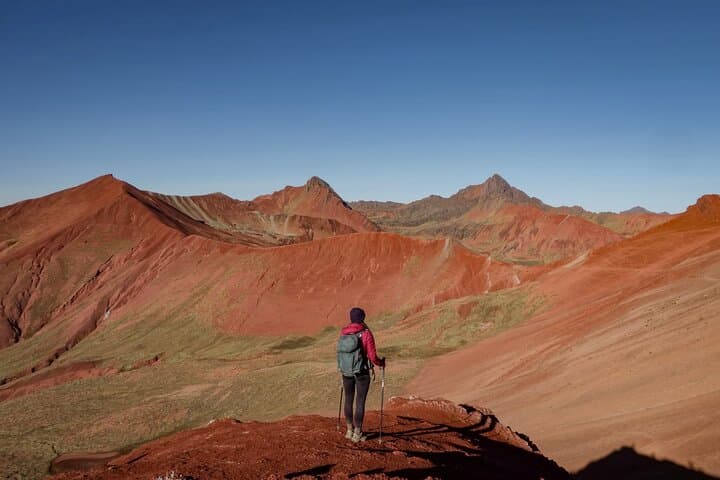
Beat the crowds with an early start to Vinicunca and an optional trek into Red Valley. This full-day guided excursion from Cusco combines dramatic, mineral-striped ridgelines with local meals and altitude support.
Beat the crowds with an early start to Vinicunca and an optional trek into Red Valley. This full-day guided excursion from Cusco combines dramatic, mineral-striped ridgelines with local meals and altitude support.
Before dawn the van slips out of Cusco and the Andes open like a cold, high-altitude theatre. Wind scours the ridgelines and the peaks of the Ausangate range keep watch as you drive toward Hanchipata–Llama Chimpana. The air is thin; each step feels deliberate. When the sun clears the horizon the striped slopes of Vinicunca (Rainbow Mountain) reveal themselves in bands of ochre, rust and mint — a raw, mineral-made canvas.
Verified experiences and guided adventures in the surrounding area.
Operated by Rainbow Mountain Travels · Cusco, Cusco Region
Before dawn the van slips out of Cusco and the Andes open like a cold, high-altitude theatre. Wind scours the ridgelines and the peaks of the Ausangate range keep watch as you drive toward Hanchipata–Llama Chimpana. The air is thin; each step feels deliberate. When the sun clears the horizon the striped slopes of Vinicunca (Rainbow Mountain) reveal themselves in bands of ochre, rust and mint — a raw, mineral-made canvas.
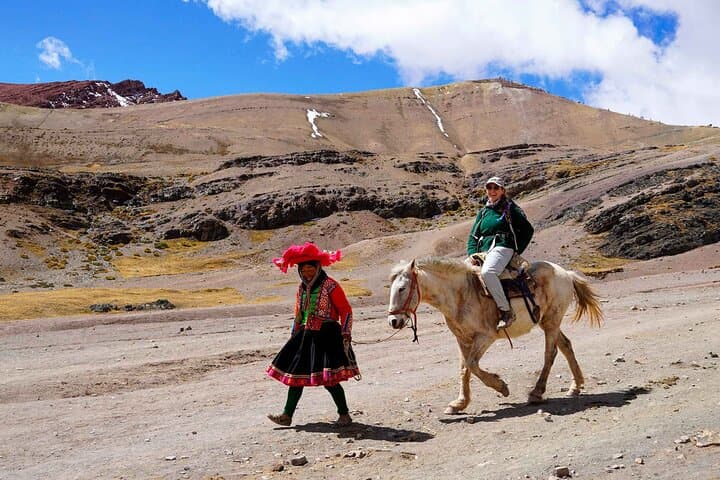
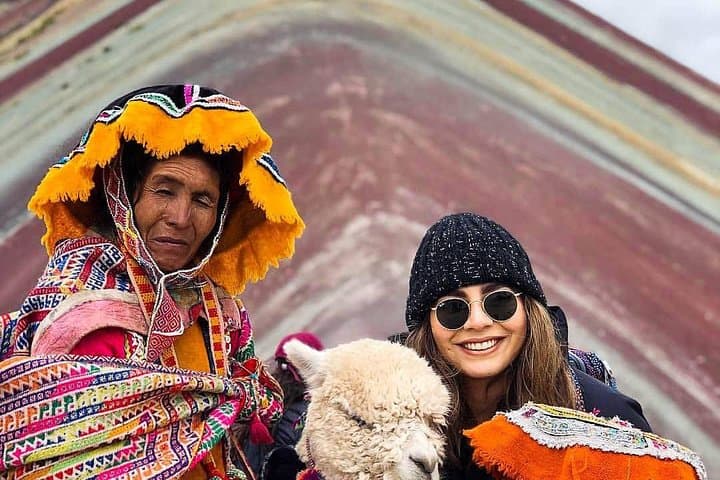
Geology here is recent in appearance but ancient in origin: iron oxides and sedimentary layers lifted by tectonic forces and exposed to wind and frost. The region sits in the puna — a high Andean grassland shaped by glacier action and pastoral life. Pitumarca and Cusipata are living links to Quechua traditions; herders move llamas and alpacas on the same passes used for centuries.
Practically, expect a 1.5–2 hour uphill at 4,400–5,200 m, rocky trail with short steep sections, and variable weather that can switch from sun to sleet. Guides supply oxygen and basic safety gear; early starts beat the tourist flow and make for calmer photo windows. Pack layered clothing, sturdy boots, snacks, and hydration; plan for 10–12 hours including transfers and meals. Acclimatize in Cusco 24–48 hours if possible and watch for signs of altitude sickness. With a measured approach, the red ridges and remote valleys deliver an intense, high-elevation experience — a day that tests breath and rewards it with spacious, alien views.
moderate.
10–12 hours.
Suitable for people in decent aerobic condition; expect steep climbs and high-altitude breathing challenges
The trail involves 1.5–2 hours uphill at high altitude with rocky sections; fitness and acclimatization make the climb manageable for many but it’s rated moderate.
Yes—symptoms can occur even in fit travelers; guides carry oxygen and first aid, but acclimatizing in Cusco and ascending slowly are the best prevention.
The tour includes a traditional Andean breakfast in Cusipata and a buffet lunch after the hike, featuring local ingredients and typical regional dishes.
Guided tours typically include entrance fees and local guides; independent trekking is possible but a guide simplifies logistics and altitude support.
The Ausangate area has long been central to Quechua spiritual geography; local communities maintain ritual ties to the mountains and seasonal herding routes.
The puna is fragile—stick to designated trails, avoid disturbing soils or lichens, and support local vendors and guides who practice low-impact tourism.
Rainbow Mountain Travels operates guided outdoor trips and adventures with an emphasis on safety, stewardship, and memorable experiences.
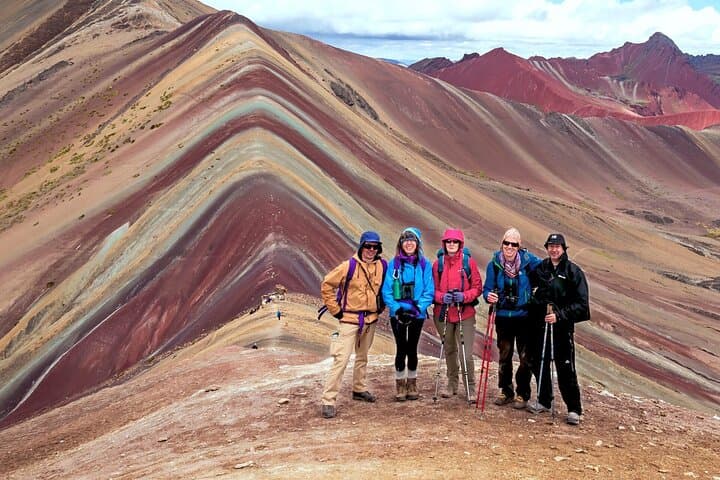
Before dawn the van slips out of Cusco and the Andes open like a cold, high-altitude theatre. Wind scours the ridgelines and the peaks of the Ausangate range keep watch as you drive toward Hanchipata–Llama Chimpana. The air is thin; each step feels deliberate. When the sun clears the horizon the striped slopes of Vinicunca (Rainbow Mountain) reveal themselves in bands of ochre, rust and mint — a raw, mineral-made canvas.
Before dawn the van slips out of Cusco and the Andes open like a cold, high-altitude theatre. Wind scours the ridgelines and the peaks of the Ausangate range keep watch as you drive toward Hanchipata–Llama Chimpana. The air is thin; each step feels deliberate. When the sun clears the horizon the striped slopes of Vinicunca (Rainbow Mountain) reveal themselves in bands of ochre, rust and mint — a raw, mineral-made canvas.
Geology here is recent in appearance but ancient in origin: iron oxides and sedimentary layers lifted by tectonic forces and exposed to wind and frost. The region sits in the puna — a high Andean grassland shaped by glacier action and pastoral life. Pitumarca and Cusipata are living links to Quechua traditions; herders move llamas and alpacas on the same passes used for centuries.
Practically, expect a 1.5–2 hour uphill at 4,400–5,200 m, rocky trail with short steep sections, and variable weather that can switch from sun to sleet. Guides supply oxygen and basic safety gear; early starts beat the tourist flow and make for calmer photo windows. Pack layered clothing, sturdy boots, snacks, and hydration; plan for 10–12 hours including transfers and meals. Acclimatize in Cusco 24–48 hours if possible and watch for signs of altitude sickness. With a measured approach, the red ridges and remote valleys deliver an intense, high-elevation experience — a day that tests breath and rewards it with spacious, alien views.