THE ADVENTURE COLLECTIVE® · Independent discovery and booking for outdoor travel

Beat the heat and the crowds on an early-access small-group trip from Valladolid to Chichen Itza, then cool off in two contrasting cenotes including the cave-like Noolha. Perfect for travelers who want history and swimming in one efficient day.
Beat the heat and the crowds on an early-access small-group trip from Valladolid to Chichen Itza, then cool off in two contrasting cenotes including the cave-like Noolha. Perfect for travelers who want history and swimming in one efficient day.
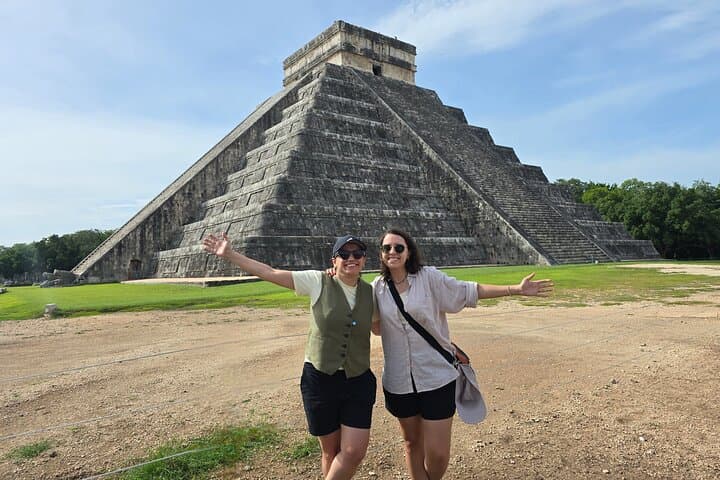
Dawn in Valladolid is a pale, humid light that slides across the plaza as you climb into an air-conditioned minivan and head inland. The road hums and the dense low jungle parts to reveal stone—Chichen Itza’s broad plaza and the stepped silhouette of El Castillo waiting at opening hour, when heat, vendors and crowds are at their lowest.
Verified experiences and guided adventures in the surrounding area.
Operated by Experiencias LakinTours · Valladolid, Yucatan
Dawn in Valladolid is a pale, humid light that slides across the plaza as you climb into an air-conditioned minivan and head inland. The road hums and the dense low jungle parts to reveal stone—Chichen Itza’s broad plaza and the stepped silhouette of El Castillo waiting at opening hour, when heat, vendors and crowds are at their lowest.
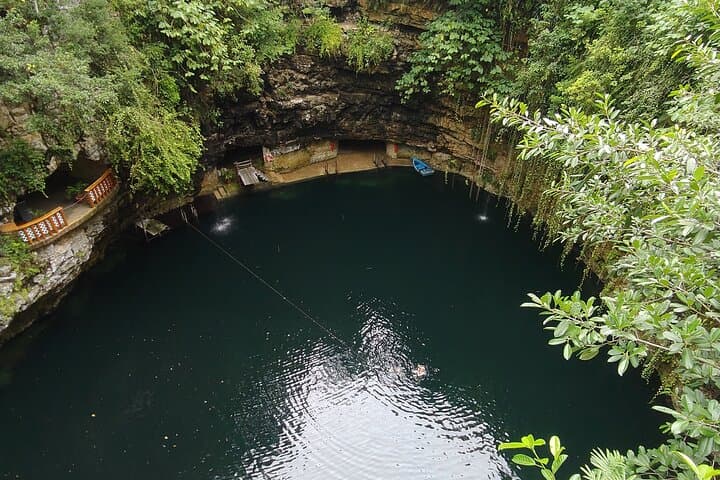
Chichen Itza grew through the Classic and Postclassic Maya periods into a regional powerhouse; El Castillo marks an astronomical calendar, and the great ballcourt hints at politics and ritual beneath the stones. The Yucatán’s geology tells the rest of the story: porous limestone underlies the flat plain, and where the roof of the aquifer collapses, cenotes form—freshwater caverns that were both sacred and practical to Mayan communities.
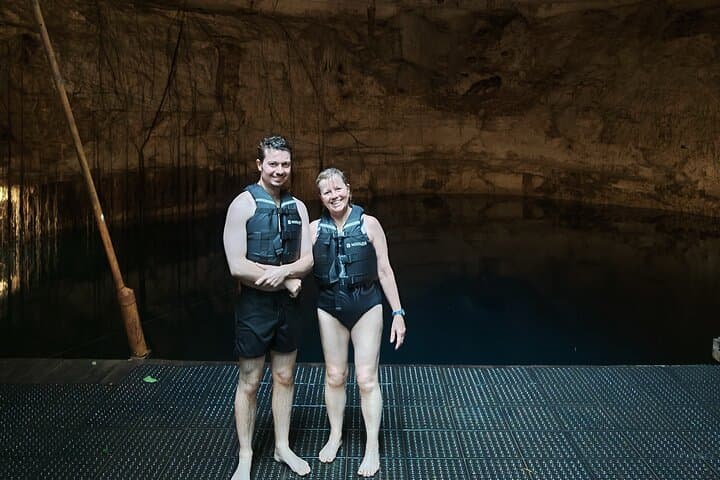
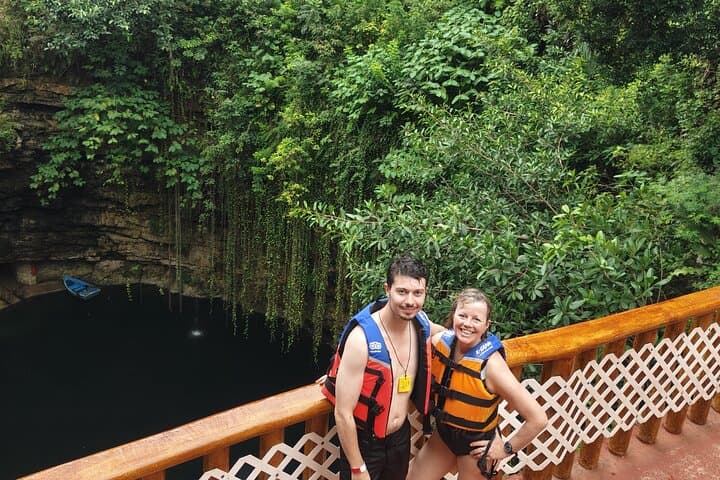
This day trip pairs a two‑and‑a‑half hour visit to the archaeological zone with two distinct cenotes: an open‑sky sinkhole where you’ll cool off and eat a local buffet, then Noolha, a cave‑like cenote with dramatic light shafts and deep diving pockets. Expect salt-of-the-earth operators, simple facilities, and regional flavors in the lunch spread.
Practical edge: the operator times arrival at opening to minimize heat; bring swimwear, closed-toe walking shoes for dusty paths, and reef‑safe sunscreen. The tour is designed for small groups and requires moderate fitness—stairs and uneven surfaces at the ruins and descending into cenotes demand balance and basic mobility. Respect the sites: no climbing at Chichen Itza, no soaps in the cenotes, and carry small bills for extras and tips. By late afternoon you return to Valladolid with the heat rising and pockets of shade still cool from cenote water—an efficient, focused way to see history and the living karst that carved it.
moderate.
6–7 hours.
Moderate fitness: able to walk uneven surfaces, descend stairs into cenotes, and manage short swims.
Admission is not automatically included; the operator recommends requesting tickets in advance to avoid long lines and ensure smooth entry.
Yes, but some cenotes require basic swimming; life jackets are commonly available—advise the operator at booking if you need assistance.
Pickup is provided from hotels in Valladolid; confirm your exact pickup point and time when you book.
Most cenote stops have basic facilities: changing areas, toilets and a local buffet at the open cenote, but bring cash for small purchases and lockers if needed.
Chichen Itza was a major Mayan center; its architecture encodes astronomical knowledge and civic ritual, while cenotes were both freshwater sources and sacred places in Maya belief.
Cenotes are part of a fragile freshwater karst system—avoid soaps and oils, use reef‑safe sunscreen, and follow local guidance to protect water quality.
Experiencias LakinTours operates guided outdoor trips and adventures with an emphasis on safety, stewardship, and memorable experiences.
Dawn in Valladolid is a pale, humid light that slides across the plaza as you climb into an air-conditioned minivan and head inland. The road hums and the dense low jungle parts to reveal stone—Chichen Itza’s broad plaza and the stepped silhouette of El Castillo waiting at opening hour, when heat, vendors and crowds are at their lowest.
Dawn in Valladolid is a pale, humid light that slides across the plaza as you climb into an air-conditioned minivan and head inland. The road hums and the dense low jungle parts to reveal stone—Chichen Itza’s broad plaza and the stepped silhouette of El Castillo waiting at opening hour, when heat, vendors and crowds are at their lowest.
Chichen Itza grew through the Classic and Postclassic Maya periods into a regional powerhouse; El Castillo marks an astronomical calendar, and the great ballcourt hints at politics and ritual beneath the stones. The Yucatán’s geology tells the rest of the story: porous limestone underlies the flat plain, and where the roof of the aquifer collapses, cenotes form—freshwater caverns that were both sacred and practical to Mayan communities.
This day trip pairs a two‑and‑a‑half hour visit to the archaeological zone with two distinct cenotes: an open‑sky sinkhole where you’ll cool off and eat a local buffet, then Noolha, a cave‑like cenote with dramatic light shafts and deep diving pockets. Expect salt-of-the-earth operators, simple facilities, and regional flavors in the lunch spread.
Practical edge: the operator times arrival at opening to minimize heat; bring swimwear, closed-toe walking shoes for dusty paths, and reef‑safe sunscreen. The tour is designed for small groups and requires moderate fitness—stairs and uneven surfaces at the ruins and descending into cenotes demand balance and basic mobility. Respect the sites: no climbing at Chichen Itza, no soaps in the cenotes, and carry small bills for extras and tips. By late afternoon you return to Valladolid with the heat rising and pockets of shade still cool from cenote water—an efficient, focused way to see history and the living karst that carved it.