THE ADVENTURE COLLECTIVE® · Independent discovery and booking for outdoor travel

Beat the heat and the crowds with early pickup from Valladolid to Chichen Itza, then cool off in two nearby cenotes including the cave-like Noolha. This small-group day trip pairs a focused archaeological visit with swimming, a buffet meal, and hotel return.
Beat the heat and the crowds with early pickup from Valladolid to Chichen Itza, then cool off in two nearby cenotes including the cave-like Noolha. This small-group day trip pairs a focused archaeological visit with swimming, a buffet meal, and hotel return.
You climb into an air-conditioned van in Valladolid before dawn; the road is cool, the palms lean away from the headlights, and by the time the visitor gates open you’re standing before El Castillo with the morning light cutting its carved edges sharp. The site feels less like a tourist stop and more like a place that remembers schedules—shadows move in precise rhythms, and the pyramid’s steps still align to celestial cycles.
Verified experiences and guided adventures in the surrounding area.
Operated by Experiencias LakinTours · Piste, Yucatán
You climb into an air-conditioned van in Valladolid before dawn; the road is cool, the palms lean away from the headlights, and by the time the visitor gates open you’re standing before El Castillo with the morning light cutting its carved edges sharp. The site feels less like a tourist stop and more like a place that remembers schedules—shadows move in precise rhythms, and the pyramid’s steps still align to celestial cycles.
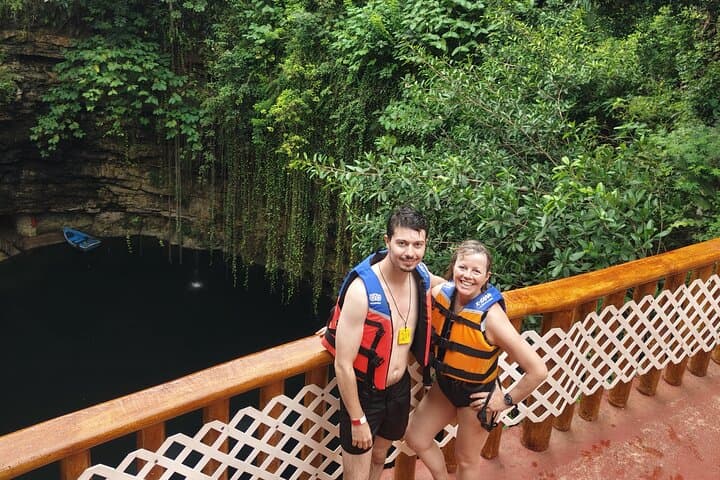
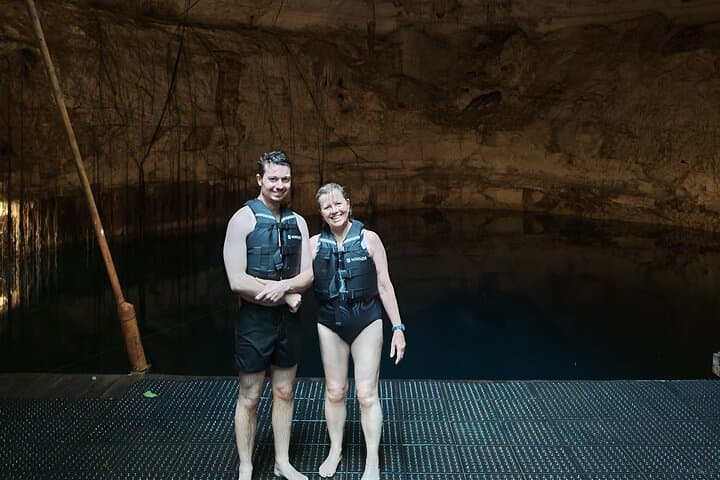
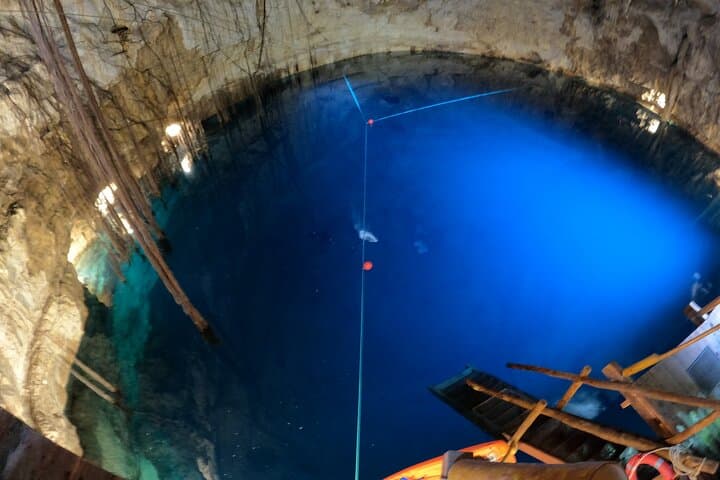
Chichen Itza grew into a regional hub of trade and astronomy between roughly 600–900 CE, its limestone temples born where an ancient shallow sea left thick carbonate rock. That geology also created cenotes: collapsed sinkholes that expose subterranean rivers. On this loop you’ll pair archaeology with two distinct cenotes — an open, tree-framed sink and the cave-like Noolha where light fractures across still water and bats wake as the day warms.
Expect a balance of history and cooling immersion. The tour’s small-group rhythm gives you 2–2.5 hours at Chichen Itza—enough to move from the Great Ball Court to the observatory—and two cenote stops for swimming and a buffet meal. Bring a sense of curiosity and respect: these are active cultural and ecological sites.
Practical tips: reserve skip-the-line tickets in advance to avoid waits at the entrance, arrive early to beat heat and bus crowds, and pack biodegradable sunscreen to protect groundwater. Wear sturdy sandals or light hiking shoes for uneven stone and steps, and bring a towel and waterproof bag for phones. Plan for a 7–8 hour day with hotel pickup in Valladolid and moderate walking on mixed terrain.
easy.
7–8 hours.
Light physical fitness is sufficient: moderate walking, some stairs at archaeological structures, and short swims at cenotes.
The tour runs about 7–8 hours with hotel pickup and drop-off in Valladolid, including 2–2.5 hours at Chichen Itza and two cenote stops.
Yes—both cenotes on this route allow swimming; you’ll have time to dive in and change, but bring swimwear and a towel.
Tickets should be requested in advance to streamline entry; the tour arranges ticketing so you avoid long lines at opening.
The tour is family-friendly for children able to swim and walk short distances; it’s not recommended for pregnant travelers or those with serious cardiovascular issues.
Chichen Itza was a major Postclassic Maya center famed for architecture aligned to astronomical events; El Castillo’s shadow-serpent effect marks equinox observations.
Cenotes are sensitive aquifers—avoid sunscreen in the water, carry out trash, and follow local rules to protect fragile cave formations and groundwater.
Experiencias LakinTours operates guided outdoor trips and adventures with an emphasis on safety, stewardship, and memorable experiences.
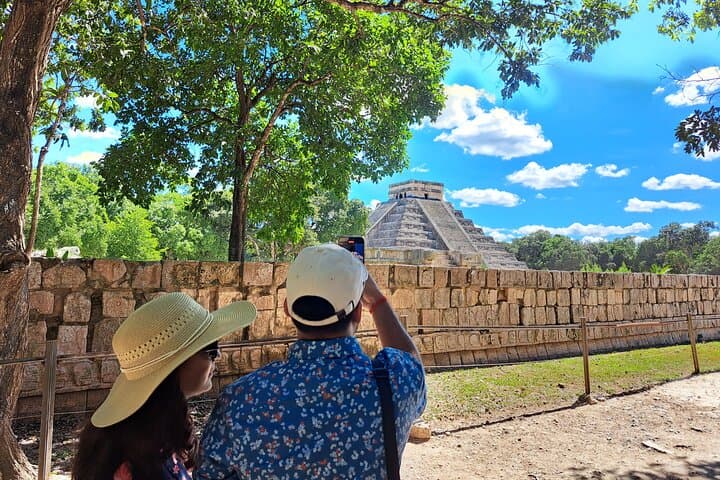
You climb into an air-conditioned van in Valladolid before dawn; the road is cool, the palms lean away from the headlights, and by the time the visitor gates open you’re standing before El Castillo with the morning light cutting its carved edges sharp. The site feels less like a tourist stop and more like a place that remembers schedules—shadows move in precise rhythms, and the pyramid’s steps still align to celestial cycles.
You climb into an air-conditioned van in Valladolid before dawn; the road is cool, the palms lean away from the headlights, and by the time the visitor gates open you’re standing before El Castillo with the morning light cutting its carved edges sharp. The site feels less like a tourist stop and more like a place that remembers schedules—shadows move in precise rhythms, and the pyramid’s steps still align to celestial cycles.
Chichen Itza grew into a regional hub of trade and astronomy between roughly 600–900 CE, its limestone temples born where an ancient shallow sea left thick carbonate rock. That geology also created cenotes: collapsed sinkholes that expose subterranean rivers. On this loop you’ll pair archaeology with two distinct cenotes — an open, tree-framed sink and the cave-like Noolha where light fractures across still water and bats wake as the day warms.
Expect a balance of history and cooling immersion. The tour’s small-group rhythm gives you 2–2.5 hours at Chichen Itza—enough to move from the Great Ball Court to the observatory—and two cenote stops for swimming and a buffet meal. Bring a sense of curiosity and respect: these are active cultural and ecological sites.
Practical tips: reserve skip-the-line tickets in advance to avoid waits at the entrance, arrive early to beat heat and bus crowds, and pack biodegradable sunscreen to protect groundwater. Wear sturdy sandals or light hiking shoes for uneven stone and steps, and bring a towel and waterproof bag for phones. Plan for a 7–8 hour day with hotel pickup in Valladolid and moderate walking on mixed terrain.