THE ADVENTURE COLLECTIVE® · Independent discovery and booking for outdoor travel

Beat the heat and the crowds on an early-access tour of Chichén Itzá, then cool off with swims in three nearby cenotes. This small-group day trip blends Mayan history with karst-walled swimming holes and a regional lunch.
Beat the heat and the crowds on an early-access tour of Chichén Itzá, then cool off with swims in three nearby cenotes. This small-group day trip blends Mayan history with karst-walled swimming holes and a regional lunch.
Morning light slices through the palms as the van eases onto the low road toward Chichén Itzá, and you step from air-conditioning into the dry, limestone air of the Yucatán. Arriving before the crowds, the Kukulkán pyramid rises—a precise stone clock that still plays with light and shadow—and a local guide fills in the architecture and ritual that shaped this pre-Hispanic city.
Verified experiences and guided adventures in the surrounding area.
Operated by Experiencias LakinTours · Chichén Itzá, Yucatán
Morning light slices through the palms as the van eases onto the low road toward Chichén Itzá, and you step from air-conditioning into the dry, limestone air of the Yucatán. Arriving before the crowds, the Kukulkán pyramid rises—a precise stone clock that still plays with light and shadow—and a local guide fills in the architecture and ritual that shaped this pre-Hispanic city.
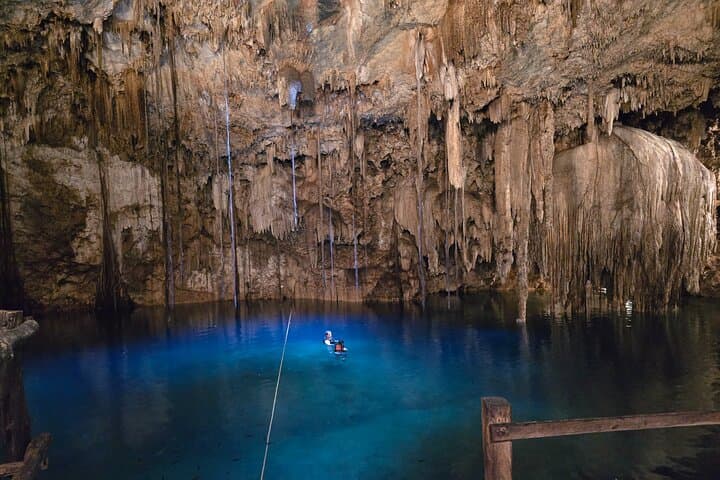
The archaeology is granite-sharp: the Great Ball Court’s scale, the carved serpents of the Temple of the Warriors, and the echo of the Sacred Cenote speak to engineering and ceremony. Geologically, the region sits on porous karst limestone, so rainwater drains into underground rivers and collapses to form cenotes—freshwater sinkholes that were both sacred and life-sustaining for the Maya.
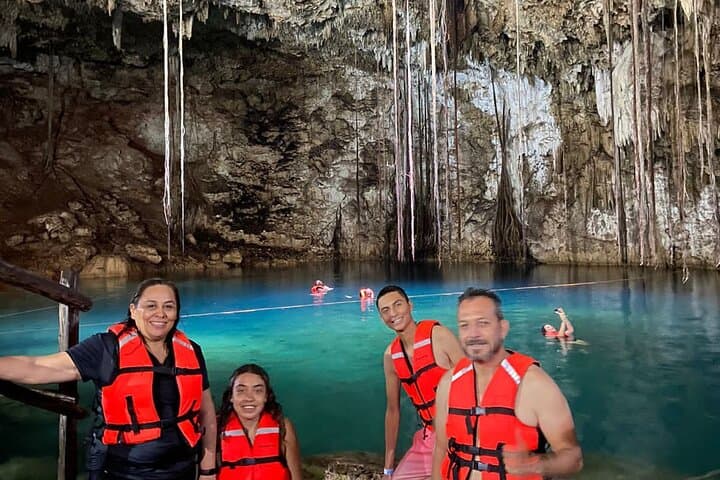
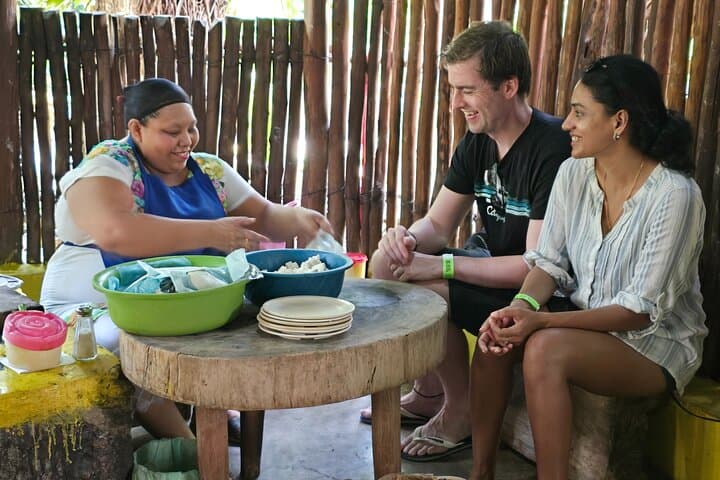
After the site, the day shifts from stone to water at Ik Kil, Xkeken and Samulá: an open, a semi-open and cave-like cenote. Each offers different light and water temperatures; currents are gentle but the stone steps can be slippery, so move deliberately. Lunch at a local restaurant serves tortillas made to order and Yucatecan staples—try cochinita pibil or a vegetarian alternative if you prefer.
Practicalities: the full excursion runs about 7–8 hours with guided time in Chichén Itzá and two swim periods. Bring reef-safe sunscreen, a swim suit, water shoes, and a light cover-up for sun and insects. Expect uneven terrain and short stair climbs at the ruins; pace yourself and hydrate. This combo of history and karst waters rewards both curiosity and a readiness to swim, walk, and listen.
moderate.
7–8 hours.
Suitable for travelers in reasonable shape who can walk on uneven ground and swim short distances; long day on your feet.
The tour includes guide service at the archaeological zone, but entrance fees may be handled by the operator—confirm at booking.
Yes—many cenotes have shallow edges and platforms; non-swimmers can still enjoy the scenery and shaded areas or use provided life vests if available.
Expect 1–2 hours of moderate walking over uneven limestone surfaces and stairs; pacing is possible and there is free time to rest.
A traditional regional lunch is included (drinks usually extra): notify the operator in advance for dietary restrictions or allergies.
Chichén Itzá rose to prominence between AD 600–900 as a regional power center; its architecture blends Maya and Central Mexican influences.
Cenotes are part of a delicate aquifer system—avoid soaps or sunscreens that can pollute underground waters and follow local rules for swimming and waste.
Experiencias LakinTours operates guided outdoor trips and adventures with an emphasis on safety, stewardship, and memorable experiences.
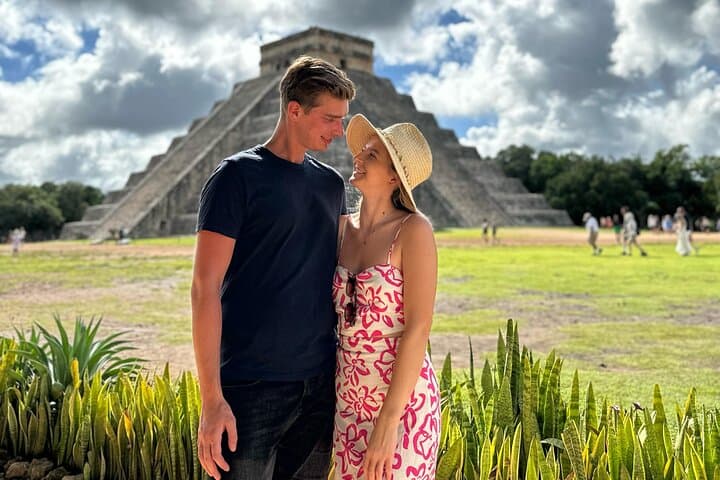
Morning light slices through the palms as the van eases onto the low road toward Chichén Itzá, and you step from air-conditioning into the dry, limestone air of the Yucatán. Arriving before the crowds, the Kukulkán pyramid rises—a precise stone clock that still plays with light and shadow—and a local guide fills in the architecture and ritual that shaped this pre-Hispanic city.
Morning light slices through the palms as the van eases onto the low road toward Chichén Itzá, and you step from air-conditioning into the dry, limestone air of the Yucatán. Arriving before the crowds, the Kukulkán pyramid rises—a precise stone clock that still plays with light and shadow—and a local guide fills in the architecture and ritual that shaped this pre-Hispanic city.
The archaeology is granite-sharp: the Great Ball Court’s scale, the carved serpents of the Temple of the Warriors, and the echo of the Sacred Cenote speak to engineering and ceremony. Geologically, the region sits on porous karst limestone, so rainwater drains into underground rivers and collapses to form cenotes—freshwater sinkholes that were both sacred and life-sustaining for the Maya.
After the site, the day shifts from stone to water at Ik Kil, Xkeken and Samulá: an open, a semi-open and cave-like cenote. Each offers different light and water temperatures; currents are gentle but the stone steps can be slippery, so move deliberately. Lunch at a local restaurant serves tortillas made to order and Yucatecan staples—try cochinita pibil or a vegetarian alternative if you prefer.
Practicalities: the full excursion runs about 7–8 hours with guided time in Chichén Itzá and two swim periods. Bring reef-safe sunscreen, a swim suit, water shoes, and a light cover-up for sun and insects. Expect uneven terrain and short stair climbs at the ruins; pace yourself and hydrate. This combo of history and karst waters rewards both curiosity and a readiness to swim, walk, and listen.