THE ADVENTURE COLLECTIVE® · Independent discovery and booking for outdoor travel

A self-guided walking tour that traces how reintroduced beavers have reshaped Horsenden Hill’s wetlands. Learn about flood management, watch engineered ponds and explore a small but impactful urban rewilding experiment.
A self-guided walking tour that traces how reintroduced beavers have reshaped Horsenden Hill’s wetlands. Learn about flood management, watch engineered ponds and explore a small but impactful urban rewilding experiment.
You step off the Capital Ring and the city’s noise thins to a distant hum as Paradise Fields opens into reed beds and shallow channels. The beaver-worked landscape grabs your attention: low dams, chewed willow stumps and new wetland pools that catch the light like little inland seas. The path guides you past viewing platforms where the water seems to breathe with life.
Verified experiences and guided adventures in the surrounding area.
Operated by VoiceMap Audio Tours · Ealing, Greater London
You step off the Capital Ring and the city’s noise thins to a distant hum as Paradise Fields opens into reed beds and shallow channels. The beaver-worked landscape grabs your attention: low dams, chewed willow stumps and new wetland pools that catch the light like little inland seas. The path guides you past viewing platforms where the water seems to breathe with life.
This patch of Horsenden Hill was reshaped over the last two decades — farmland turned golf course turned deliberate wetland in 2000 — and it now hosts Britain’s only publicly accessible beaver reintroduction effort. Geology here is London clay, which holds water and lets beaver engineering create ponds quickly; the result is a mosaic of open water, scrub and regenerating woodland that draws back species lost from urban west London.
Culturally, the project is a grassroots partnership: ecologists, local volunteers and municipal planners testing nature-based flood management in an urban fringe setting. Expect to learn about the beaver’s role in slowing runoff, creating habitat for cuckoos and water rails, and encouraging wetland plants.
Practical guidance: the self-guided app delivers maps and audio so you can move at your own pace; plan 45–75 minutes for the core loop. Trails cross wet ground—waterproof footwear is wise—and viewpoints can be busy at dusk. Bring binoculars, stick to marked paths to avoid disturbing lodges, and check transport times for a smooth return to Ealing or central London.
easy.
45–75 minutes.
Suitable for all fitness levels; expect short, flat walking on prepared paths with occasional muddy sections
Not always; beavers are crepuscular and secretive. You’re most likely to see signs of activity—chewed trees, dams and slides—or catch movement at dawn or dusk.
Some sections include boardwalks and viewing platforms but there may be uneven or muddy stretches; check local access notes and consider contacting the site for current conditions.
No—this is a self-guided tour with lifetime access to the app content; you can start when you arrive at the designated trailhead.
Dogs are typically allowed on leads, but keep them under control near water and wildlife to avoid disturbing beavers and nesting birds.
Paradise Fields was deliberately converted from degraded land into wetland in 2000 to manage flood risk; the reintroduction demonstrates urban rewilding strategies in action.
The project emphasizes minimal disturbance, monitoring and community engagement; sticking to paths and following viewing guidelines helps protect fragile habitats.
VoiceMap Audio Tours operates guided outdoor trips and adventures with an emphasis on safety, stewardship, and memorable experiences.
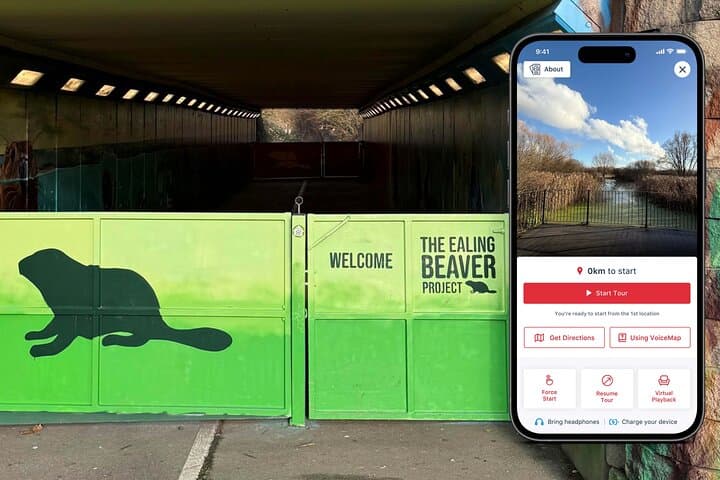
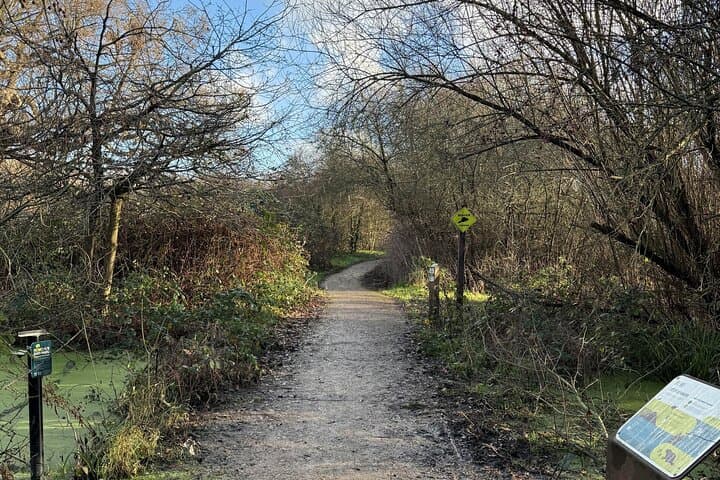
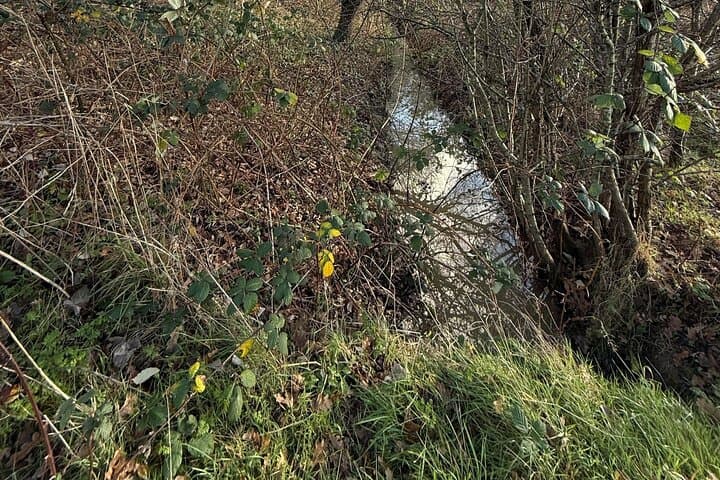
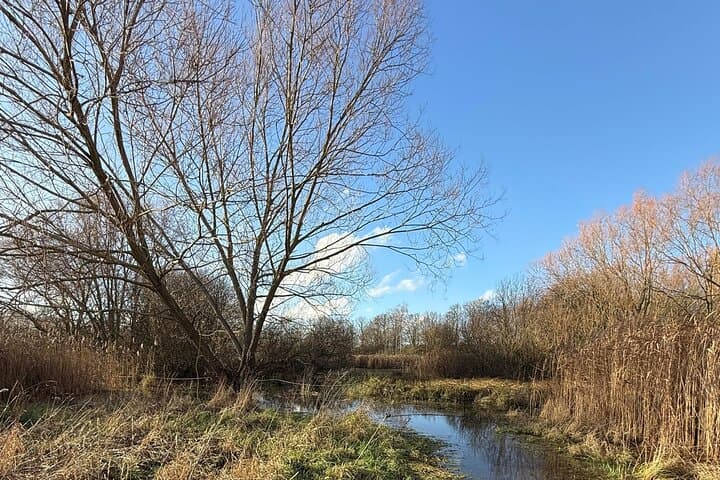
You step off the Capital Ring and the city’s noise thins to a distant hum as Paradise Fields opens into reed beds and shallow channels. The beaver-worked landscape grabs your attention: low dams, chewed willow stumps and new wetland pools that catch the light like little inland seas. The path guides you past viewing platforms where the water seems to breathe with life.
You step off the Capital Ring and the city’s noise thins to a distant hum as Paradise Fields opens into reed beds and shallow channels. The beaver-worked landscape grabs your attention: low dams, chewed willow stumps and new wetland pools that catch the light like little inland seas. The path guides you past viewing platforms where the water seems to breathe with life.
This patch of Horsenden Hill was reshaped over the last two decades — farmland turned golf course turned deliberate wetland in 2000 — and it now hosts Britain’s only publicly accessible beaver reintroduction effort. Geology here is London clay, which holds water and lets beaver engineering create ponds quickly; the result is a mosaic of open water, scrub and regenerating woodland that draws back species lost from urban west London.
Culturally, the project is a grassroots partnership: ecologists, local volunteers and municipal planners testing nature-based flood management in an urban fringe setting. Expect to learn about the beaver’s role in slowing runoff, creating habitat for cuckoos and water rails, and encouraging wetland plants.
Practical guidance: the self-guided app delivers maps and audio so you can move at your own pace; plan 45–75 minutes for the core loop. Trails cross wet ground—waterproof footwear is wise—and viewpoints can be busy at dusk. Bring binoculars, stick to marked paths to avoid disturbing lodges, and check transport times for a smooth return to Ealing or central London.