THE ADVENTURE COLLECTIVE® · Independent discovery and booking for outdoor travel

Ride the mountain bus to the Kehlsteinhaus and stand where history and geology meet. This guided WWII historical tour combines close-up interpretation of the Eagle’s Nest with sweeping Alpine views and independent time to explore the summit.
Ride the mountain bus to the Kehlsteinhaus and stand where history and geology meet. This guided WWII historical tour combines close-up interpretation of the Eagle’s Nest with sweeping Alpine views and independent time to explore the summit.
You step off the mountain bus and the air sharpens—cold, alpine and smelling of stone and pine. The Kehlsteinhaus, known to many as the Eagle’s Nest, sits on a rocky spur above Berchtesgaden, its brass elevator glinting like machinery from another era. From the terrace the Bavarian Alps unfold in layered ridgelines, and the valley below seems to hold its breath.
Verified experiences and guided adventures in the surrounding area.
Operated by Discover Eagle's Nest Tours · Berchtesgaden, Bavaria
You step off the mountain bus and the air sharpens—cold, alpine and smelling of stone and pine. The Kehlsteinhaus, known to many as the Eagle’s Nest, sits on a rocky spur above Berchtesgaden, its brass elevator glinting like machinery from another era. From the terrace the Bavarian Alps unfold in layered ridgelines, and the valley below seems to hold its breath.
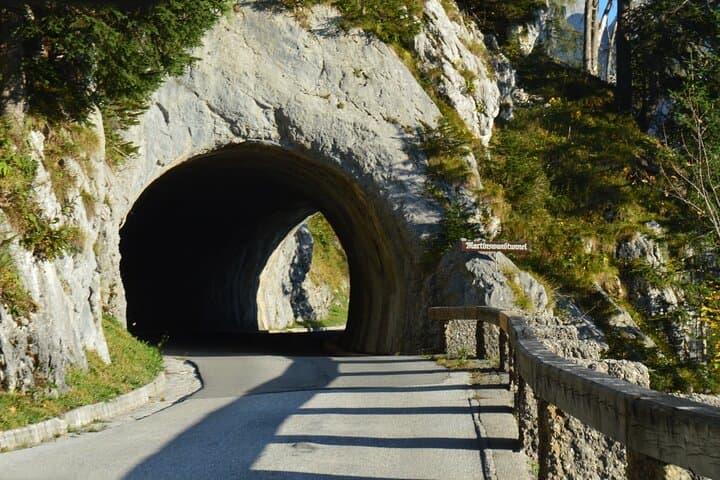
The site is as much a feat of engineering as it is a piece of recent history. Built as a 1930s diplomatic retreat and presented to Adolf Hitler, the Kehlsteinhaus occupies a road and tunnel system hewn into the Obersalzberg escarpment. The surrounding rock is part of the Northern Limestone Alps—steep, fractured limestone and dolomite that created dramatic cliffs and natural defensibility.
Local culture in Berchtesgaden blends mountain farming, Lutheran and Catholic traditions, and a postwar commitment to education: nearby the Obersalzberg Documentation Centre reframes the site within historical context. Guides emphasize sober interpretation—this is a place of architecture and memory as much as panorama.
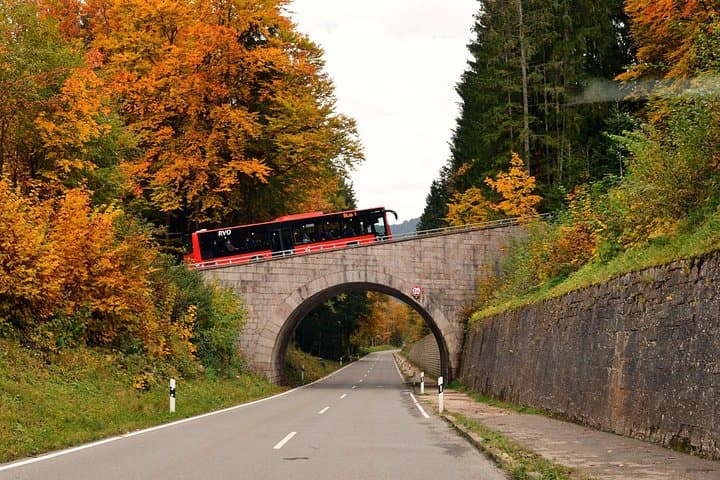
Practical guidance: tours run about three hours, including a guided walkthrough of original interior features and roughly one hour of free time at the summit. Expect exposed paths with stone steps if you follow the short trail behind the building; sensible, flat-soled walking shoes and windproof layers are recommended. Buses to and from the summit run on a scheduled loop—keep your return ticket and check times. Weather on the ridge can change quickly, so pack a waterproof shell and plan for reduced visibility in fog.
Photographers will find sweeping vistas; history-minded travelers will appreciate the combination of on-site interpretation and adjacent documentation exhibits.
easy.
3 hours.
Suitable for most fitness levels; involves short walks and stair climbs but no sustained hiking
The guided portion is about two hours within a three-hour program, including the bus ride up, a guided walkthrough of the Kehlsteinhaus and approximately one hour free time at the summit.
The tour listing notes wheelchair accessibility for some transport and areas, but there are stone steps on outside paths—contact the operator ahead for specific access needs.
Yes—the Kehlsteinhaus operates a restaurant and snack options; bring cash or card and expect typical mountain prices.
Advance booking is recommended, especially in high season; the tour is limited to 20 guests for better engagement with the guide.
Constructed in 1937–1938 as a diplomatic mountain retreat and gift to Hitler, the Kehlsteinhaus sits above the larger Obersalzberg complex and reflects 1930s engineering and propaganda ambitions.
The site is managed with care toward preservation and respectful interpretation; visitors are asked to stay on paths, avoid graffiti, and support local conservation efforts by following signage.
Discover Eagle's Nest Tours operates guided outdoor trips and adventures with an emphasis on safety, stewardship, and memorable experiences.
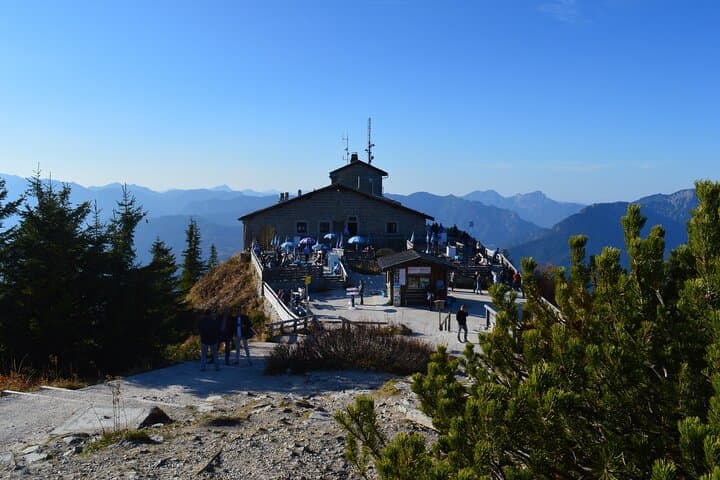
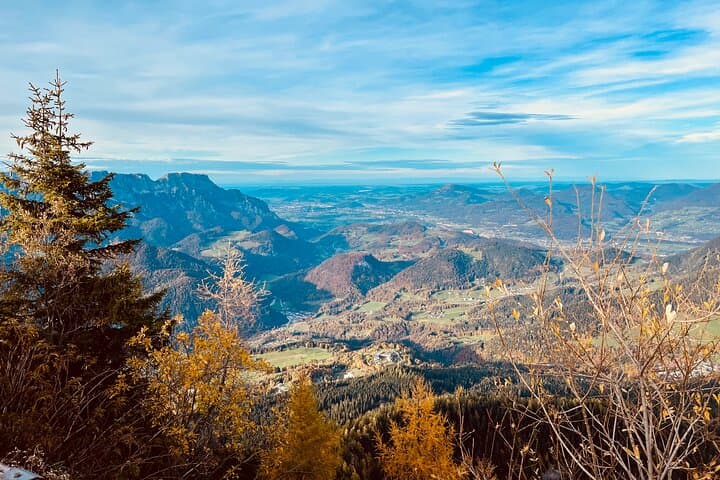
You step off the mountain bus and the air sharpens—cold, alpine and smelling of stone and pine. The Kehlsteinhaus, known to many as the Eagle’s Nest, sits on a rocky spur above Berchtesgaden, its brass elevator glinting like machinery from another era. From the terrace the Bavarian Alps unfold in layered ridgelines, and the valley below seems to hold its breath.
You step off the mountain bus and the air sharpens—cold, alpine and smelling of stone and pine. The Kehlsteinhaus, known to many as the Eagle’s Nest, sits on a rocky spur above Berchtesgaden, its brass elevator glinting like machinery from another era. From the terrace the Bavarian Alps unfold in layered ridgelines, and the valley below seems to hold its breath.
The site is as much a feat of engineering as it is a piece of recent history. Built as a 1930s diplomatic retreat and presented to Adolf Hitler, the Kehlsteinhaus occupies a road and tunnel system hewn into the Obersalzberg escarpment. The surrounding rock is part of the Northern Limestone Alps—steep, fractured limestone and dolomite that created dramatic cliffs and natural defensibility.
Local culture in Berchtesgaden blends mountain farming, Lutheran and Catholic traditions, and a postwar commitment to education: nearby the Obersalzberg Documentation Centre reframes the site within historical context. Guides emphasize sober interpretation—this is a place of architecture and memory as much as panorama.
Practical guidance: tours run about three hours, including a guided walkthrough of original interior features and roughly one hour of free time at the summit. Expect exposed paths with stone steps if you follow the short trail behind the building; sensible, flat-soled walking shoes and windproof layers are recommended. Buses to and from the summit run on a scheduled loop—keep your return ticket and check times. Weather on the ridge can change quickly, so pack a waterproof shell and plan for reduced visibility in fog.
Photographers will find sweeping vistas; history-minded travelers will appreciate the combination of on-site interpretation and adjacent documentation exhibits.