THE ADVENTURE COLLECTIVE® · Independent discovery and booking for outdoor travel

A full-day excursion from Munich to Berchtesgaden and the Eagle’s Nest pairs sweeping alpine panoramas with a 30-minute professional photoshoot and guided history. Expect an efficient itinerary, steep mountain views, and practical tips for altitude and seasonal closures.
A full-day excursion from Munich to Berchtesgaden and the Eagle’s Nest pairs sweeping alpine panoramas with a 30-minute professional photoshoot and guided history. Expect an efficient itinerary, steep mountain views, and practical tips for altitude and seasonal closures.
A mountain road unwinds out of Munich and, within hours, the air changes—thinner, cooler, scented with spruce and stone. By midmorning the bus deposits travelers at the foot of Obersalzberg; the elevator up to Kehlsteinhaus shuttles visitors through the cliff and out onto a terrace that frames the Bavarian Alps like a living postcard. The guide arranges a 30-minute professional photoshoot, then lets the landscape do the rest: jagged ridgelines, distant glaciers, and villages clinging to valley floors.
Verified experiences and guided adventures in the surrounding area.
Operated by European Voyages · Berchtesgaden, Bavaria
A mountain road unwinds out of Munich and, within hours, the air changes—thinner, cooler, scented with spruce and stone. By midmorning the bus deposits travelers at the foot of Obersalzberg; the elevator up to Kehlsteinhaus shuttles visitors through the cliff and out onto a terrace that frames the Bavarian Alps like a living postcard. The guide arranges a 30-minute professional photoshoot, then lets the landscape do the rest: jagged ridgelines, distant glaciers, and villages clinging to valley floors.
Berchtesgaden’s human story is as textured as its rock: a centuries-old alpine community, a salt-mining economy, and a darker modern chapter with the Third Reich’s mountain retreat carved into the steep. Geologically, the region is young Alps—limestone summits uplifted and carved by glaciers—so expect steep beds, scree slopes, and crystal-clear lakes such as nearby Königssee, whose waters dare you to look away.
Culturally, the valley retains Bavarian rhythms—wooden facades, hearty cuisine, and alpine hospitality—while conservation rules in the national park protect fragile alpine meadows and trout streams.
Practical guidance: the Eagle’s Nest sits at 1,834 meters; weather can shift rapidly so pack layers and sturdy shoes for uneven paths. The tour is a full day (about 11 hours) with comfortable transfers; the mountaintop site closes in winter, so check dates. Bring a valid ID for entry, carry water, and plan to move deliberately at altitude. For photographers, golden-hour light hits the western peaks late in the day; for history-minded visitors, small exhibits onsite explain the site’s complex past. This trip is a compact dose of alpine scenery, layered history, and reliable logistics—good for first-time visitors who want maximum view for a single-day commitment.
moderate.
11 hours.
Suitable for travelers in average physical condition who can handle short walks and stairs at altitude.
No—the Kehlsteinhaus often closes in winter due to snow and limited access; confirm seasonal openings before booking.
This tour includes the entrance ticket and local guide assistance with admission, so separate tickets are not required.
Access involves short flights of stairs and paved viewing areas; minimal walking ability is sufficient but stairs exist.
Infants and small children can be accommodated; some paths and the elevator can handle strollers, but space may be limited.
Kehlsteinhaus was built in the 1930s as a mountaintop reception house and later became a post-war tourist viewpoint; Berchtesgaden itself grew around salt mining and alpine trade.
Berchtesgaden National Park enforces trail restrictions and protects alpine flora—stay on paths and pack out waste to minimize impact.
European Voyages operates guided outdoor trips and adventures with an emphasis on safety, stewardship, and memorable experiences.
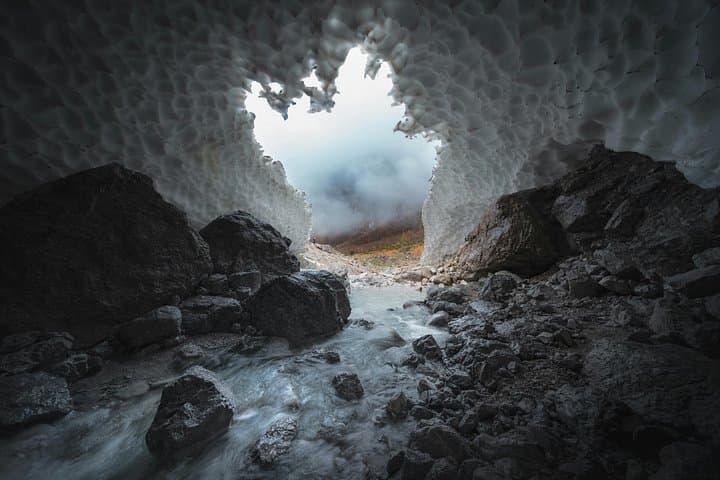
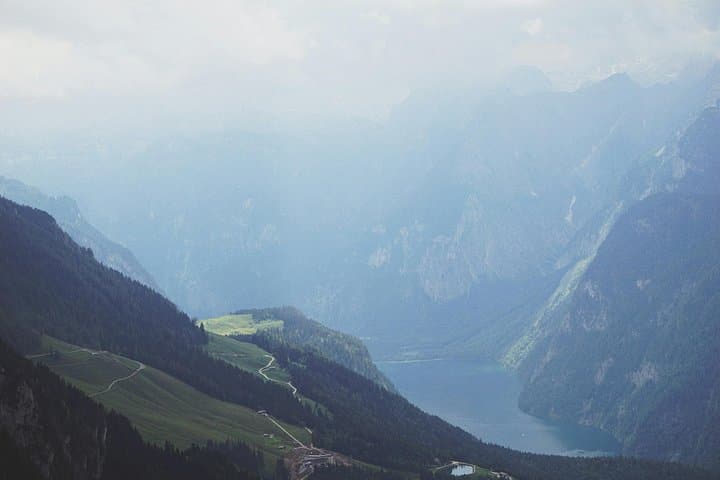
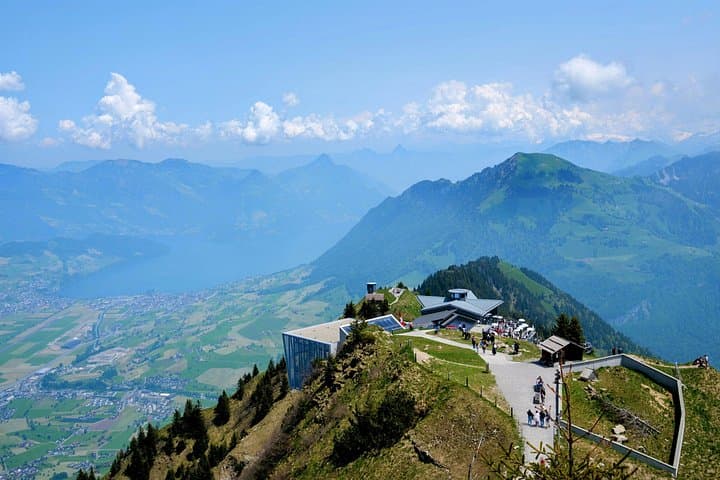
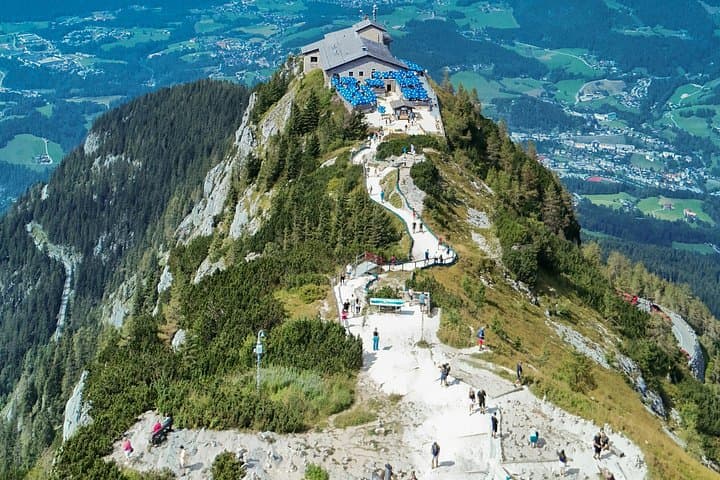
A mountain road unwinds out of Munich and, within hours, the air changes—thinner, cooler, scented with spruce and stone. By midmorning the bus deposits travelers at the foot of Obersalzberg; the elevator up to Kehlsteinhaus shuttles visitors through the cliff and out onto a terrace that frames the Bavarian Alps like a living postcard. The guide arranges a 30-minute professional photoshoot, then lets the landscape do the rest: jagged ridgelines, distant glaciers, and villages clinging to valley floors.
A mountain road unwinds out of Munich and, within hours, the air changes—thinner, cooler, scented with spruce and stone. By midmorning the bus deposits travelers at the foot of Obersalzberg; the elevator up to Kehlsteinhaus shuttles visitors through the cliff and out onto a terrace that frames the Bavarian Alps like a living postcard. The guide arranges a 30-minute professional photoshoot, then lets the landscape do the rest: jagged ridgelines, distant glaciers, and villages clinging to valley floors.
Berchtesgaden’s human story is as textured as its rock: a centuries-old alpine community, a salt-mining economy, and a darker modern chapter with the Third Reich’s mountain retreat carved into the steep. Geologically, the region is young Alps—limestone summits uplifted and carved by glaciers—so expect steep beds, scree slopes, and crystal-clear lakes such as nearby Königssee, whose waters dare you to look away.
Culturally, the valley retains Bavarian rhythms—wooden facades, hearty cuisine, and alpine hospitality—while conservation rules in the national park protect fragile alpine meadows and trout streams.
Practical guidance: the Eagle’s Nest sits at 1,834 meters; weather can shift rapidly so pack layers and sturdy shoes for uneven paths. The tour is a full day (about 11 hours) with comfortable transfers; the mountaintop site closes in winter, so check dates. Bring a valid ID for entry, carry water, and plan to move deliberately at altitude. For photographers, golden-hour light hits the western peaks late in the day; for history-minded visitors, small exhibits onsite explain the site’s complex past. This trip is a compact dose of alpine scenery, layered history, and reliable logistics—good for first-time visitors who want maximum view for a single-day commitment.