THE ADVENTURE COLLECTIVE® · Independent discovery and booking for outdoor travel

Scoot around Lagoa Rodrigo de Freitas, pause in the leafy gardens of Parque Lage, and catch Arpoador’s coastline on a relaxed electric scooter tour. This 3.5‑hour urban ride blends cultural sites with beachfront views—ideal for travelers seeking a low‑impact way to see Rio’s South Zone.
Scoot around Lagoa Rodrigo de Freitas, pause in the leafy gardens of Parque Lage, and catch Arpoador’s coastline on a relaxed electric scooter tour. This 3.5‑hour urban ride blends cultural sites with beachfront views—ideal for travelers seeking a low‑impact way to see Rio’s South Zone.
You kick off at Cazuza Square in Leblon, the city pressing in on all sides while the lagoon stretches like a slow-moving mirror, daring you to circle it. The electric scooter hums beneath your feet as palms and jacarandas blur; ahead, Parque Lage’s old mansion sits framed by the Corcovado ridge, its stone steps and café promising shade and a quiet pause.
Verified experiences and guided adventures in the surrounding area.
Operated by VANMO · Rio de Janeiro, Rio de Janeiro
You kick off at Cazuza Square in Leblon, the city pressing in on all sides while the lagoon stretches like a slow-moving mirror, daring you to circle it. The electric scooter hums beneath your feet as palms and jacarandas blur; ahead, Parque Lage’s old mansion sits framed by the Corcovado ridge, its stone steps and café promising shade and a quiet pause.
Lagoa Rodrigo de Freitas was once an agricultural basin shaped by tidal flows; today its ring road threads neighborhoods—Copacabana, Ipanema, Leblon—and carries generations of cariocas. Parque Lage, a 19th‑century estate turned visual arts school, reveals tiled floors and garden plots that tell of Rio’s coffee-era wealth and later cultural reinvention. Arpoador, a rocky outcrop between Ipanema and Copacabana, earned its name from historic harpooners who once watched the sea for migrating whales.
Expect flat paved sections circling the lagoon, a few gentle climbs near park approaches, and shared sidewalks where pedestrians, joggers, and cyclists set the pace. The route is urban: cobbles, painted lanes, and occasional street traffic—so situational awareness beats speed here. Helmets are available on request; bring sunscreen and hydrate often—the ocean breeze is deceptive.
Practical notes: meet at Antero de Quental subway exit; the tour runs about 3.5 hours and suits anyone with moderate fitness and basic balance. If you want to extend the afternoon, the Sugarloaf cable car to the second peak is an optional paid ride (approx R$62). Ride responsibly, respect local traffic rules, and use quieter hours—early morning or late afternoon—for the best light and cooler temperatures.
moderate.
3–4 hours.
Moderate fitness and basic balance; comfortable standing and short bursts of pedaling/steering for ~3.5 hours.
Yes—helmets are available on request; you should request one when booking or at the meet point.
Yes—this route is on paved promenades and slow streets, but riders should have basic balance and be comfortable braking and steering in crowds.
Yes—the itinerary includes a stop at Parque Lage; the café inside the mansion is a common pause for coffee and restrooms.
Take the Antero de Quental subway station and exit onto Ataulfo de Paiva Avenue—Cazuza Square is about a 5–7 minute walk from the exit.
Parque Lage began as a 19th‑century mansion on former coffee-era land and later became an arts school; Arpoador’s name reflects its past as a vantage point for harpooners during whale migrations.
The lagoon and park face urban runoff and visitor pressure—stay on paths, avoid feeding wildlife, and dispose of waste to reduce impact.
VANMO operates guided outdoor trips and adventures with an emphasis on safety, stewardship, and memorable experiences.

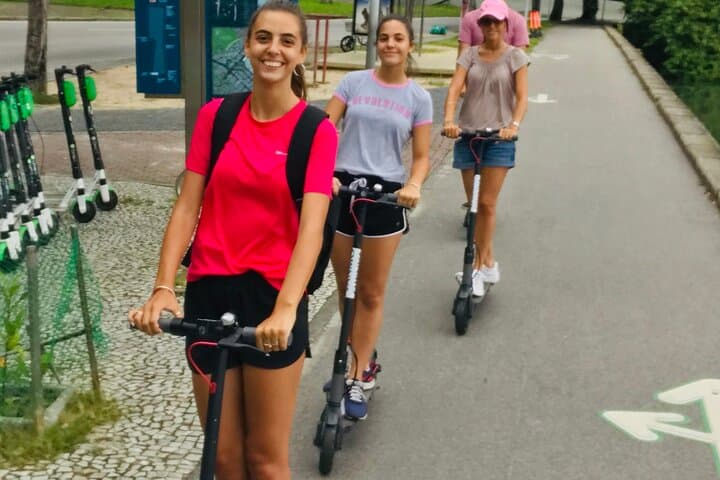

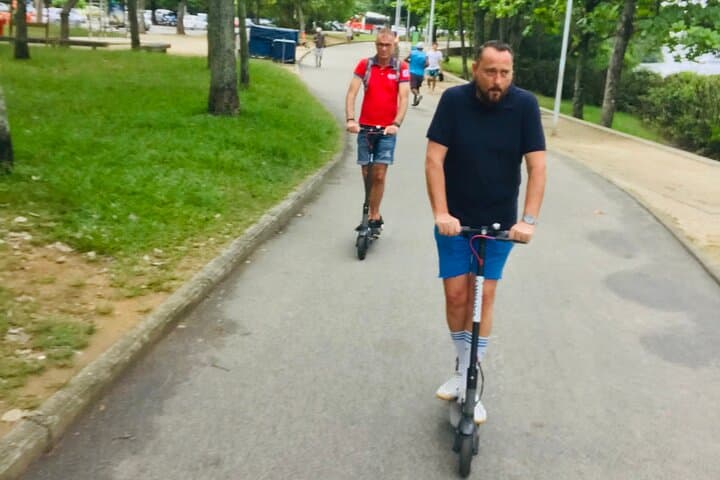
You kick off at Cazuza Square in Leblon, the city pressing in on all sides while the lagoon stretches like a slow-moving mirror, daring you to circle it. The electric scooter hums beneath your feet as palms and jacarandas blur; ahead, Parque Lage’s old mansion sits framed by the Corcovado ridge, its stone steps and café promising shade and a quiet pause.
You kick off at Cazuza Square in Leblon, the city pressing in on all sides while the lagoon stretches like a slow-moving mirror, daring you to circle it. The electric scooter hums beneath your feet as palms and jacarandas blur; ahead, Parque Lage’s old mansion sits framed by the Corcovado ridge, its stone steps and café promising shade and a quiet pause.
Lagoa Rodrigo de Freitas was once an agricultural basin shaped by tidal flows; today its ring road threads neighborhoods—Copacabana, Ipanema, Leblon—and carries generations of cariocas. Parque Lage, a 19th‑century estate turned visual arts school, reveals tiled floors and garden plots that tell of Rio’s coffee-era wealth and later cultural reinvention. Arpoador, a rocky outcrop between Ipanema and Copacabana, earned its name from historic harpooners who once watched the sea for migrating whales.
Expect flat paved sections circling the lagoon, a few gentle climbs near park approaches, and shared sidewalks where pedestrians, joggers, and cyclists set the pace. The route is urban: cobbles, painted lanes, and occasional street traffic—so situational awareness beats speed here. Helmets are available on request; bring sunscreen and hydrate often—the ocean breeze is deceptive.
Practical notes: meet at Antero de Quental subway exit; the tour runs about 3.5 hours and suits anyone with moderate fitness and basic balance. If you want to extend the afternoon, the Sugarloaf cable car to the second peak is an optional paid ride (approx R$62). Ride responsibly, respect local traffic rules, and use quieter hours—early morning or late afternoon—for the best light and cooler temperatures.