THE ADVENTURE COLLECTIVE® · Independent discovery and booking for outdoor travel

Learn to ride an electric hydrofoil off the Costa del Sol—private 90-minute Fliteboard lessons with full gear and an instructor. Expect quick progression from balance drills to short flights above the water.
Learn to ride an electric hydrofoil off the Costa del Sol—private 90-minute Fliteboard lessons with full gear and an instructor. Expect quick progression from balance drills to short flights above the water.
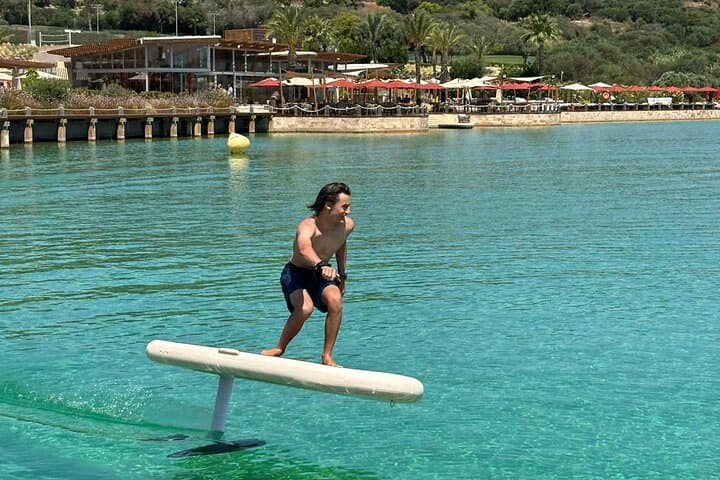
You push off from a small pebble beach and the Mediterranean opens like a promise; the water nudges your board, the motor hums, and within minutes the foil lifts and the sea begins to carry you.
Verified experiences and guided adventures in the surrounding area.
Operated by BLUA BLUE · Marbella, Andalusia
You push off from a small pebble beach and the Mediterranean opens like a promise; the water nudges your board, the motor hums, and within minutes the foil lifts and the sea begins to carry you.
The Costa del Sol has long been a working coastline—fishermen, salt pans and small ports shape its shoreline—and its broad continental shelf and steady thermal winds make it excellent for powered foiling. Geologically the coast is a mix of limestone outcrops and sandy coves; below the surface, Posidonia seagrass beds mark clearer, shallower channels.
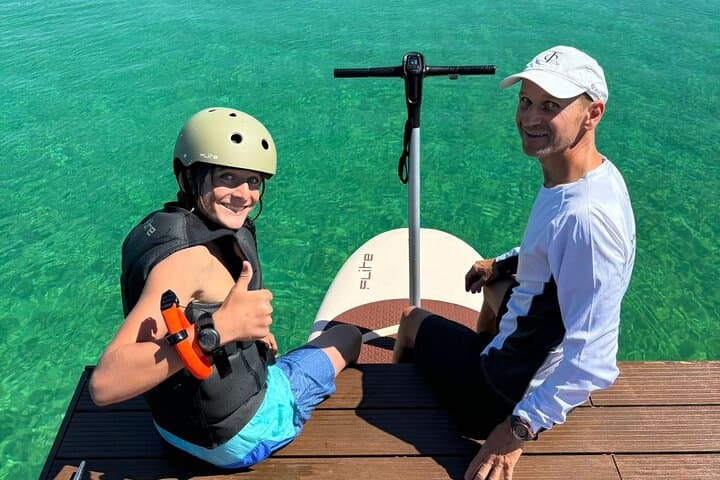
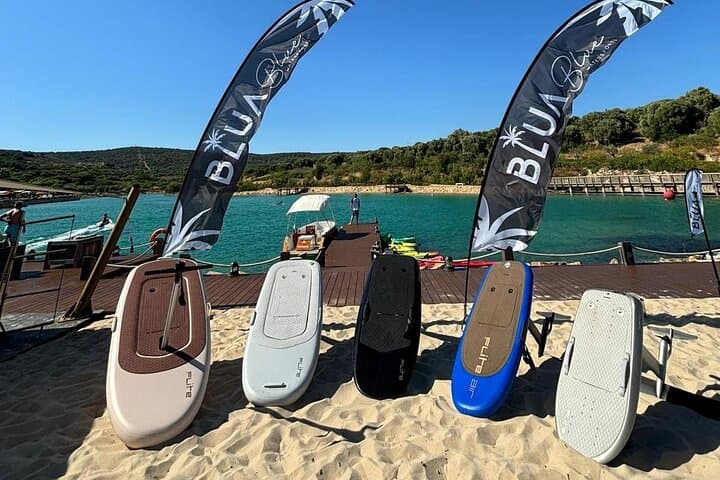
E-foiling here blends local maritime tradition with modern tech. Lessons use a Fliteboard air schoolboard and a full safety kit: wetsuit, helmet and instructor-led progression designed for first-timers. Expect a private 90-minute session that covers dry-land balance drills, board setup, shallow-water starts and short airborne runs once you’re stable.
Practically: morning sessions usually find flatter water and lighter winds; afternoons can build chop. You don’t need previous board experience, but basic swimming comfort and moderate fitness help. Pay attention to seabed features—rocky patches and seagrass affect takeoff spots—and follow the instructor’s zones to avoid boat traffic.
Bring a secure sunglasses strap, quick-dry layers and a lightweight windbreaker for the ride back to shore. Hydrate, leave heavy jewelry on land, and plan for a short walk to the launch. With measured risk and simple technique, the e-foil turns hesitation into steady flight—expect a sharp learning curve and a rapid sense of reward.
moderate.
1.5 hours.
Moderate—comfortable swimming ability, basic balance and core strength make learning faster.
No; lessons are designed for beginners and focus on balance and throttle control—basic swimming comfort is required.
Limits vary by operator, so provide weight and age during booking; instructors adjust setup and safety procedures accordingly.
Sessions can be canceled for high winds, strong swell or unsafe conditions—check the 24-hour cancellation policy for refunds.
Not recommended—participants should be comfortable in open water as falls are part of the learning process.
The Costa del Sol evolved from small fishing villages into a recreational coast; modern watersports build on a long local relationship with the sea.
Avoid seagrass beds (Posidonia) and pack out all trash; operators often brief participants on local marine protections to limit impact.
BLUA BLUE operates guided outdoor trips and adventures with an emphasis on safety, stewardship, and memorable experiences.
You push off from a small pebble beach and the Mediterranean opens like a promise; the water nudges your board, the motor hums, and within minutes the foil lifts and the sea begins to carry you.
You push off from a small pebble beach and the Mediterranean opens like a promise; the water nudges your board, the motor hums, and within minutes the foil lifts and the sea begins to carry you.
The Costa del Sol has long been a working coastline—fishermen, salt pans and small ports shape its shoreline—and its broad continental shelf and steady thermal winds make it excellent for powered foiling. Geologically the coast is a mix of limestone outcrops and sandy coves; below the surface, Posidonia seagrass beds mark clearer, shallower channels.
E-foiling here blends local maritime tradition with modern tech. Lessons use a Fliteboard air schoolboard and a full safety kit: wetsuit, helmet and instructor-led progression designed for first-timers. Expect a private 90-minute session that covers dry-land balance drills, board setup, shallow-water starts and short airborne runs once you’re stable.
Practically: morning sessions usually find flatter water and lighter winds; afternoons can build chop. You don’t need previous board experience, but basic swimming comfort and moderate fitness help. Pay attention to seabed features—rocky patches and seagrass affect takeoff spots—and follow the instructor’s zones to avoid boat traffic.
Bring a secure sunglasses strap, quick-dry layers and a lightweight windbreaker for the ride back to shore. Hydrate, leave heavy jewelry on land, and plan for a short walk to the launch. With measured risk and simple technique, the e-foil turns hesitation into steady flight—expect a sharp learning curve and a rapid sense of reward.