THE ADVENTURE COLLECTIVE® · Independent discovery and booking for outdoor travel

Ride an electric bike across Jatiluwih’s UNESCO-listed rice terraces and experience Bali’s Subak irrigation landscape up close. This one-hour loop mixes volcanic slopes, bamboo lanes and local culture—ideal for travelers wanting a short, immersive outdoor experience.
Ride an electric bike across Jatiluwih’s UNESCO-listed rice terraces and experience Bali’s Subak irrigation landscape up close. This one-hour loop mixes volcanic slopes, bamboo lanes and local culture—ideal for travelers wanting a short, immersive outdoor experience.
Early morning light slices across layered paddies as you clip into an electric mountain bike and push off along narrow mud tracks. The motor hums; the terraces respond with a slow, steady invitation—the irrigation channels trickle, birds circle, and farmers move with practiced rhythm. In an hour you cross slopes formed on the flanks of four extinct volcanoes, where volcanic soils and consistent rainfall created the flat, bench-like rice fields that shape the valley.
Verified experiences and guided adventures in the surrounding area.
Operated by Green Bikes Bali · Jatiluwih, Bali
Early morning light slices across layered paddies as you clip into an electric mountain bike and push off along narrow mud tracks. The motor hums; the terraces respond with a slow, steady invitation—the irrigation channels trickle, birds circle, and farmers move with practiced rhythm. In an hour you cross slopes formed on the flanks of four extinct volcanoes, where volcanic soils and consistent rainfall created the flat, bench-like rice fields that shape the valley.
Jatiluwih forms part of Bali’s Subak cultural landscape, the centuries-old cooperative irrigation system recognized by UNESCO. Geology here is volcanic: old lava flows and ash deposits have been sculpted by water and human labor into contour terraces. Culture is visible in fields, small temples, and the daily routines of farmers practicing traditional methods.
The route traces dirt farm lanes, low bridges and a few paved stretches; bamboo groves and small streams punctuate the ride, while egrets and kingfishers patrol the water. Guides are local and share practical context—crop cycles, irrigation schedules, and etiquette when passing working villagers.
Practical edge: helmets and e-bike basics are provided, but charge levels and weather matter—mud can slow the ride and make footing tricky. Bring sunscreen, a light waterproof layer, and shoes you don’t mind getting dusty. One hour is short but focused—ideal as a standalone cultural loop or paired with a longer day in central Bali. Respect the fields, stick to paths, and leave room for a slow stop to watch farmers at work; the landscape rewards patience.
easy.
1 hour.
Suitable for most fitness levels due to e‑assist, but expect short climbs and uneven farm tracks; basic bike handling recommended.
The loop follows farm tracks with short, manageable climbs; the e‑bike assistance keeps effort low—expect uneven surfaces rather than technical singletrack.
No advanced experience required—basic confidence on a bike is enough. Guides give a quick orientation and helmets are provided.
Minimum age is 14 years; younger children are not recommended due to road and field conditions.
Tours may continue in light rain but can be slowed by mud; cancellation policy allows refunds if you cancel at least 24 hours in advance.
Jatiluwih is part of Bali’s Subak irrigation system—a communal water management practice dating back centuries and recognized by UNESCO for its cultural landscape.
Tourism here coexists with active agriculture; stick to paths, avoid litter, and choose local guides and warungs to support the village economy.
Green Bikes Bali operates guided outdoor trips and adventures with an emphasis on safety, stewardship, and memorable experiences.
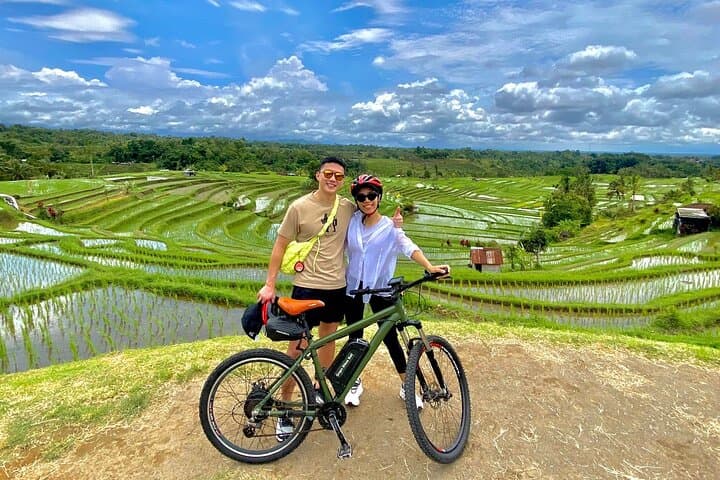
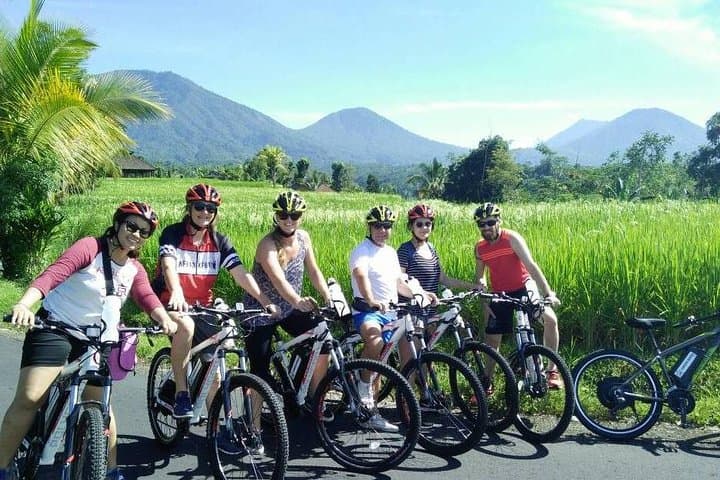
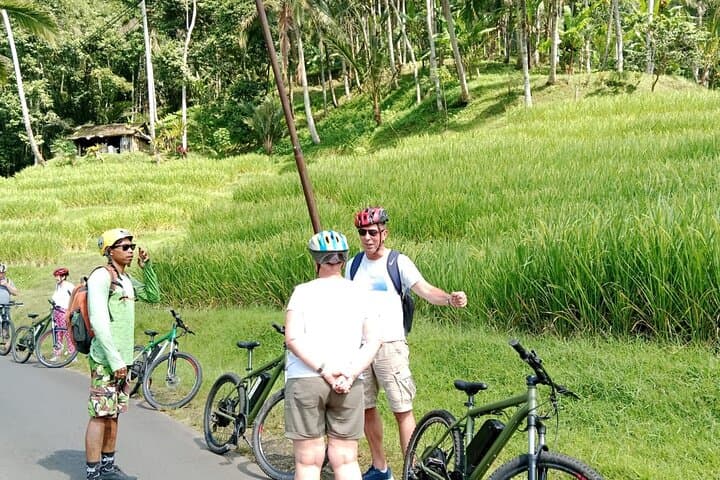
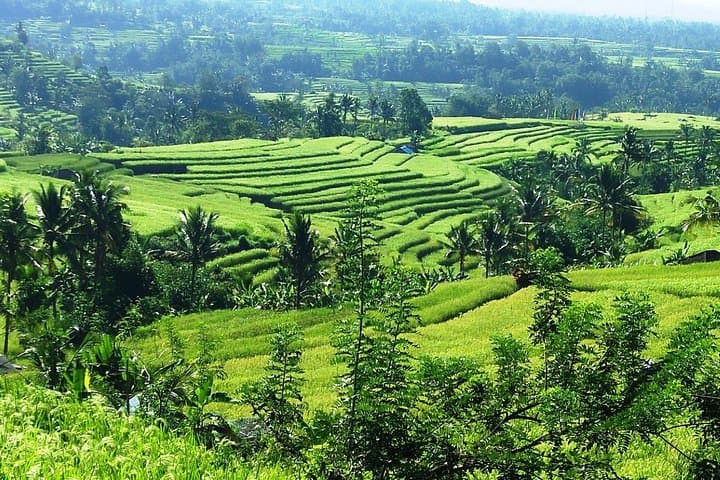
Early morning light slices across layered paddies as you clip into an electric mountain bike and push off along narrow mud tracks. The motor hums; the terraces respond with a slow, steady invitation—the irrigation channels trickle, birds circle, and farmers move with practiced rhythm. In an hour you cross slopes formed on the flanks of four extinct volcanoes, where volcanic soils and consistent rainfall created the flat, bench-like rice fields that shape the valley.
Early morning light slices across layered paddies as you clip into an electric mountain bike and push off along narrow mud tracks. The motor hums; the terraces respond with a slow, steady invitation—the irrigation channels trickle, birds circle, and farmers move with practiced rhythm. In an hour you cross slopes formed on the flanks of four extinct volcanoes, where volcanic soils and consistent rainfall created the flat, bench-like rice fields that shape the valley.
Jatiluwih forms part of Bali’s Subak cultural landscape, the centuries-old cooperative irrigation system recognized by UNESCO. Geology here is volcanic: old lava flows and ash deposits have been sculpted by water and human labor into contour terraces. Culture is visible in fields, small temples, and the daily routines of farmers practicing traditional methods.
The route traces dirt farm lanes, low bridges and a few paved stretches; bamboo groves and small streams punctuate the ride, while egrets and kingfishers patrol the water. Guides are local and share practical context—crop cycles, irrigation schedules, and etiquette when passing working villagers.
Practical edge: helmets and e-bike basics are provided, but charge levels and weather matter—mud can slow the ride and make footing tricky. Bring sunscreen, a light waterproof layer, and shoes you don’t mind getting dusty. One hour is short but focused—ideal as a standalone cultural loop or paired with a longer day in central Bali. Respect the fields, stick to paths, and leave room for a slow stop to watch farmers at work; the landscape rewards patience.