THE ADVENTURE COLLECTIVE® · Independent discovery and booking for outdoor travel

Quiet lanes, rice terraces and a gentle electric assist: this two‑hour South Ubud e‑bike tour pairs easy cycling with riverside views and a traditional Balinese lunch. Guides share local culture and the Subak irrigation story as you ride.
Quiet lanes, rice terraces and a gentle electric assist: this two‑hour South Ubud e‑bike tour pairs easy cycling with riverside views and a traditional Balinese lunch. Guides share local culture and the Subak irrigation story as you ride.
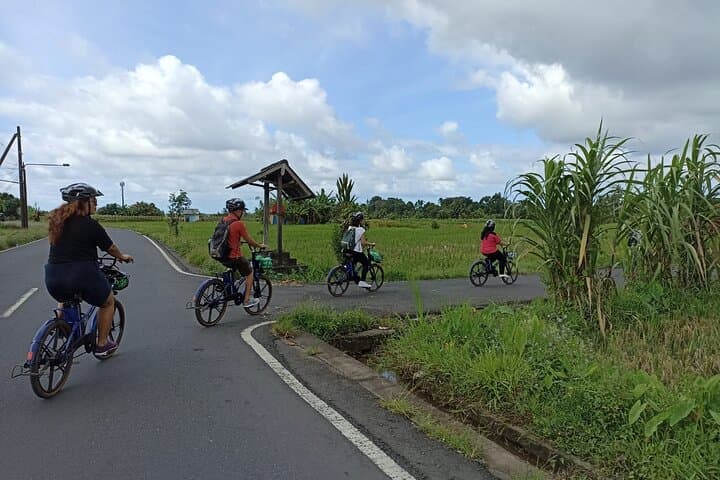
You start on a quiet lane where the scent of wet earth and ginger greets you, and an electric bike awaits with a light hum. Pedaling is optional; the motor fills in the rises as you drop into narrow lanes that farmers use to reach their paddies.
Verified experiences and guided adventures in the surrounding area.
Operated by Green Bikes Bali · Ubud, Bali
You start on a quiet lane where the scent of wet earth and ginger greets you, and an electric bike awaits with a light hum. Pedaling is optional; the motor fills in the rises as you drop into narrow lanes that farmers use to reach their paddies.
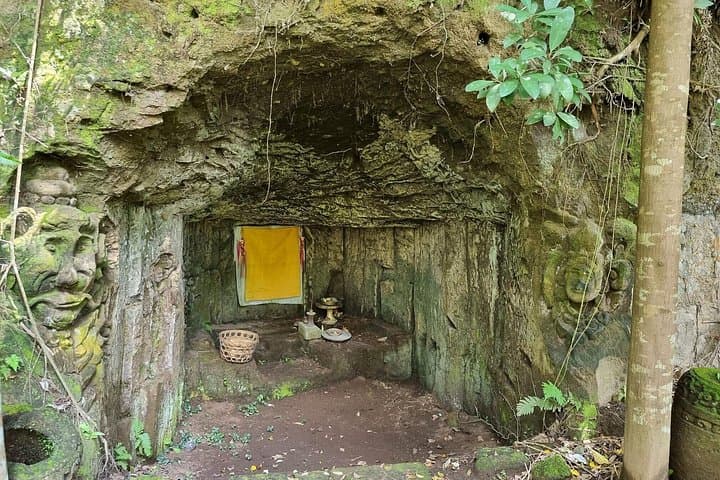
This two‑hour loop threads past stepped rice plots fed by the Subak irrigation system — a communal engineering practice central to Balinese agriculture and community life. The route follows small village roads, skirts the sacred Ayung River and passes the tall poles of bamboo that mark compound boundaries. Guides are local, English‑speaking, and ready to explain temple rituals, rice‑growing seasons and the nearby Green School’s open‑air classrooms.
The geology here is volcanic—rich, dark soils that make for vivid green fields—and the river has carved shallow gorges that concentrate streams of birdlife and occasional macaques in the canopy.
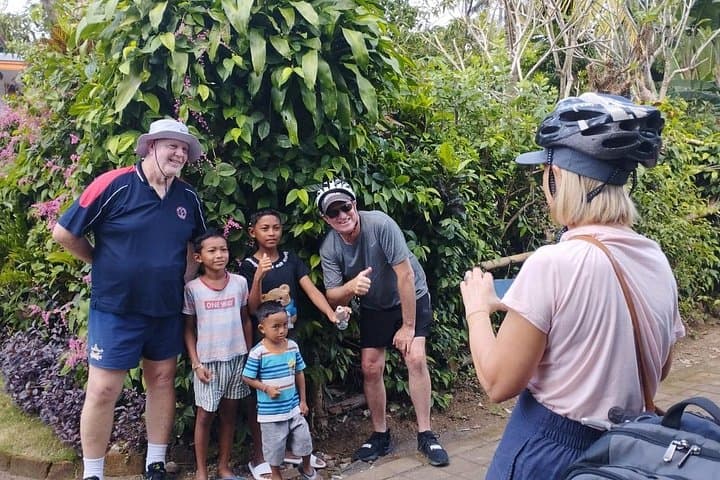
Practically, expect easy riding with brief standing climbs and loose gravel where farm tracks meet paved lanes. Helmets and bottled water are included; wear closed‑toe shoes, sun protection, and a light layer for early mornings. Respect private compounds and temple protocols—modest dress is appreciated when stopping for photos. Lunch is served in a traditional compound and offers a chance to taste local flavors and ask questions about daily life in a Balinese village.
This trip is an accessible way to cover more ground than walking while keeping the pace slow enough to notice agricultural rhythms, local crafts and riverside birdsong.
easy.
2 hours.
Light aerobic fitness; suitable for those comfortable on a bicycle with occasional standing efforts
This tour is rated easy; the electric assist eases climbs and is suitable for riders of most fitness levels, though basic bike control is required.
Yes — you can pedal with varying levels of assist; guides will show how to adjust power before departure.
Yes, helmets are included and required for the tour.
Tours may continue in light rain; bring a rain jacket. Cancellations and refunds follow the operator’s 24‑hour policy for a full refund.
The rice terraces you pass are part of Bali’s Subak irrigation tradition — a community‑managed water system tied to Hindu temple rituals that shapes local farming rhythms.
Respect rice paddies and avoid trampling crop edges; operators support low‑impact cycling and encourage single‑trail use and waste minimization.
Green Bikes Bali operates guided outdoor trips and adventures with an emphasis on safety, stewardship, and memorable experiences.
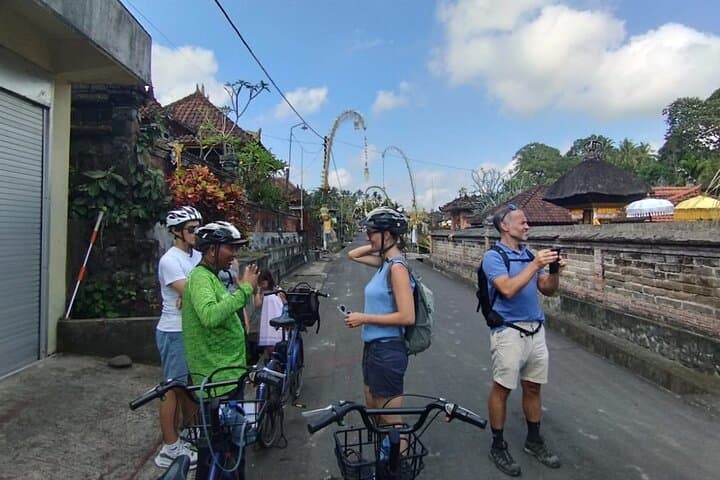
You start on a quiet lane where the scent of wet earth and ginger greets you, and an electric bike awaits with a light hum. Pedaling is optional; the motor fills in the rises as you drop into narrow lanes that farmers use to reach their paddies.
You start on a quiet lane where the scent of wet earth and ginger greets you, and an electric bike awaits with a light hum. Pedaling is optional; the motor fills in the rises as you drop into narrow lanes that farmers use to reach their paddies.
This two‑hour loop threads past stepped rice plots fed by the Subak irrigation system — a communal engineering practice central to Balinese agriculture and community life. The route follows small village roads, skirts the sacred Ayung River and passes the tall poles of bamboo that mark compound boundaries. Guides are local, English‑speaking, and ready to explain temple rituals, rice‑growing seasons and the nearby Green School’s open‑air classrooms.
The geology here is volcanic—rich, dark soils that make for vivid green fields—and the river has carved shallow gorges that concentrate streams of birdlife and occasional macaques in the canopy.
Practically, expect easy riding with brief standing climbs and loose gravel where farm tracks meet paved lanes. Helmets and bottled water are included; wear closed‑toe shoes, sun protection, and a light layer for early mornings. Respect private compounds and temple protocols—modest dress is appreciated when stopping for photos. Lunch is served in a traditional compound and offers a chance to taste local flavors and ask questions about daily life in a Balinese village.
This trip is an accessible way to cover more ground than walking while keeping the pace slow enough to notice agricultural rhythms, local crafts and riverside birdsong.