THE ADVENTURE COLLECTIVE® · Independent discovery and booking for outdoor travel

Explore São Paulo’s downtown by e-bike, passing Paulista Avenue, MASP, the Municipal Theatre and the birthplace at Pátio do Colégio. This relaxed, 3–4 hour tour combines cultural context, accessible electric-assist riding, and local coffee stops for an efficient urban introduction.
Explore São Paulo’s downtown by e-bike, passing Paulista Avenue, MASP, the Municipal Theatre and the birthplace at Pátio do Colégio. This relaxed, 3–4 hour tour combines cultural context, accessible electric-assist riding, and local coffee stops for an efficient urban introduction.
The guide rings the bell at Portinha183 and the city exhales—coffee steam, traffic hum, a skyline that leans forward. Riders climb aboard electric bikes and trade São Paulo’s pedestrian pulse for two-wheeled momentum, rolling from the wide, business-sculpted avenue of Paulista to the narrower lanes of the old center.
Verified experiences and guided adventures in the surrounding area.
Operated by Urban Bike SP · São Paulo, São Paulo
The guide rings the bell at Portinha183 and the city exhales—coffee steam, traffic hum, a skyline that leans forward. Riders climb aboard electric bikes and trade São Paulo’s pedestrian pulse for two-wheeled momentum, rolling from the wide, business-sculpted avenue of Paulista to the narrower lanes of the old center.
The route strings together 20th-century ambition and 16th-century origins: MASP’s bold suspended gallery, the Beaux-Arts Municipal Theatre, and Pátio do Colégio where Jesuit missionaries founded the settlement in 1554. Geology is subtle here—São Paulo’s gentle plateaus and tiled streams beneath asphalt—while architecture reads like chapters of economic boom: coffee barons, industrialists, and modernists leaving distinct signatures on façades and public plazas.
Culturally the ride crosses neighborhoods where Japanese lanterns hang on Liberdade’s streets and where the Copan’s sinuous façade hums with everyday life. Local guides point out murals, arcades, and café counters where arguments over futebol and politics play out like ritual.
Practically, the e-bike tour keeps a relaxed pace across mostly paved streets with occasional short climbs; expect about 3–4 hours of mixed urban riding, regular stops for photos and history, and light walking at points of interest. Bring hydration, a daypack, and comfortable shoes for brief on-foot sections. Morning departures cut through cooler hours and lighter traffic; riders with basic bike confidence will find the electric assist makes São Paulo’s hills manageable. Finish back at the café with a slice of cake and an espresso—the city’s energy still moving underfoot.
moderate.
3–4 hours.
Moderate fitness; able to pedal and walk short distances between stops.
No advanced skill is required; basic balance and the ability to pedal for short periods are sufficient—e-bikes provide motor assist on hills.
Tours are typically led in Portuguese and may offer English explanations; check at booking for language options.
The tour includes an espresso or mate, natural juice, pão de queijo, daily cake, e-bike and helmet, and guided stops at major landmarks.
Participants should have moderate fitness; it’s not recommended for those with serious heart or spinal conditions or for pregnant travelers.
Pátio do Colégio marks São Paulo’s founding in 1554, and the downtown core grew rapidly during coffee-fueled economic booms of the late 19th and early 20th centuries.
Ride with low impact—stay on paved routes, use provided trash receptacles, and support small cafés and cultural centers to keep tourism benefits local.
Urban Bike SP operates guided outdoor trips and adventures with an emphasis on safety, stewardship, and memorable experiences.

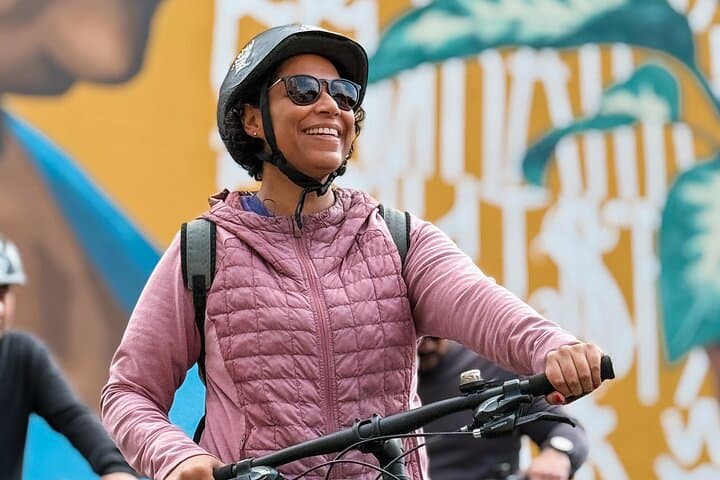

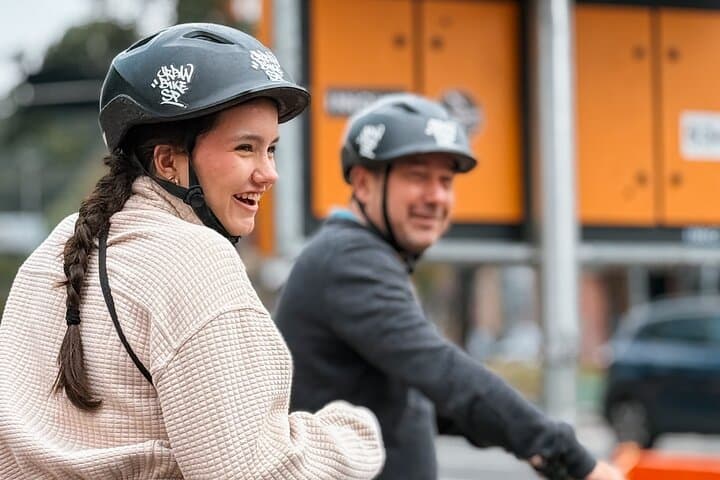
The guide rings the bell at Portinha183 and the city exhales—coffee steam, traffic hum, a skyline that leans forward. Riders climb aboard electric bikes and trade São Paulo’s pedestrian pulse for two-wheeled momentum, rolling from the wide, business-sculpted avenue of Paulista to the narrower lanes of the old center.
The guide rings the bell at Portinha183 and the city exhales—coffee steam, traffic hum, a skyline that leans forward. Riders climb aboard electric bikes and trade São Paulo’s pedestrian pulse for two-wheeled momentum, rolling from the wide, business-sculpted avenue of Paulista to the narrower lanes of the old center.
The route strings together 20th-century ambition and 16th-century origins: MASP’s bold suspended gallery, the Beaux-Arts Municipal Theatre, and Pátio do Colégio where Jesuit missionaries founded the settlement in 1554. Geology is subtle here—São Paulo’s gentle plateaus and tiled streams beneath asphalt—while architecture reads like chapters of economic boom: coffee barons, industrialists, and modernists leaving distinct signatures on façades and public plazas.
Culturally the ride crosses neighborhoods where Japanese lanterns hang on Liberdade’s streets and where the Copan’s sinuous façade hums with everyday life. Local guides point out murals, arcades, and café counters where arguments over futebol and politics play out like ritual.
Practically, the e-bike tour keeps a relaxed pace across mostly paved streets with occasional short climbs; expect about 3–4 hours of mixed urban riding, regular stops for photos and history, and light walking at points of interest. Bring hydration, a daypack, and comfortable shoes for brief on-foot sections. Morning departures cut through cooler hours and lighter traffic; riders with basic bike confidence will find the electric assist makes São Paulo’s hills manageable. Finish back at the café with a slice of cake and an espresso—the city’s energy still moving underfoot.