THE ADVENTURE COLLECTIVE® · Independent discovery and booking for outdoor travel

Ride e‑bikes through the low plains and vineyards of the Loire to the monumental Château de Chambord. This full‑day tour pairs riding with guided history, panoramic stops, and a private château snack away from the crowds.
Ride e‑bikes through the low plains and vineyards of the Loire to the monumental Château de Chambord. This full‑day tour pairs riding with guided history, panoramic stops, and a private château snack away from the crowds.
The morning opens cool along the Loire: poplars sketch shadows over quiet lanes as an e‑bike hums to life and the outline of Château de Chambord appears on the horizon. Riders move through low river plains and neat vineyard rows, the chateau’s Renaissance roofline growing clearer between limestone copses and chestnut woods.
Verified experiences and guided adventures in the surrounding area.
Operated by à la française · Chambord, Centre-Val de Loire
The morning opens cool along the Loire: poplars sketch shadows over quiet lanes as an e‑bike hums to life and the outline of Château de Chambord appears on the horizon. Riders move through low river plains and neat vineyard rows, the chateau’s Renaissance roofline growing clearer between limestone copses and chestnut woods.
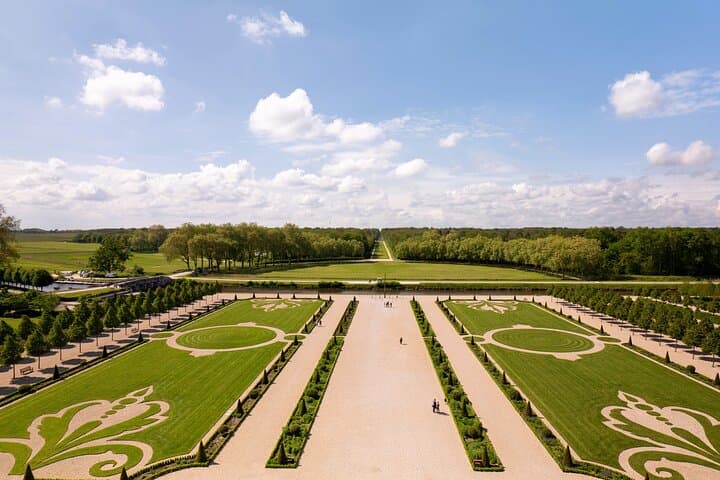
Chambord was raised in the 16th century under François I, its double-helix stair often linked to Leonardo da Vinci and its façade an exercise in Renaissance ambition. Geologically the route runs across the Loire floodplain and soft limestone plateaus—gentle grades, fertile soils, and narrow tributaries like the Cosson that carve sheltered riparian corridors. Local culture is agricultural and château-driven: small family properties, fruit orchards, goat cheeses and wines shape the landscape more than industry.
Expect a mixed but tame ride: roughly 30–45 km of mostly paved country roads with occasional gravel lanes, and cumulative elevation of a few hundred meters of rolling terrain rather than steep climbs. The tour pairs guided cycling with time beside Chambord—plus a stop at a private château for a snack and a local beverage—and transfers by air‑conditioned vehicle are used for sections of the itinerary.
Practically, bring a charged battery or plan to top up at the meeting point, wear closed shoes, and carry a light pack with water and wind layer. Mid‑week mornings and shoulder seasons deliver fewer buses and better light for photos. Riders should be comfortable on a road or hybrid bike, able to maintain steady effort for several hours, and follow the guide’s pace for safety and the best local stories.
moderate.
6–8 hours.
Moderate: able to ride continuously for several hours and handle short bursts of effort on rolling terrain.
The full tour runs about 6–8 hours including transfers and visits; expect 30–45 km of riding depending on the route and transfer segments.
No advanced skills are needed, but participants should be comfortable riding a bike and able to maintain steady pedaling for several hours.
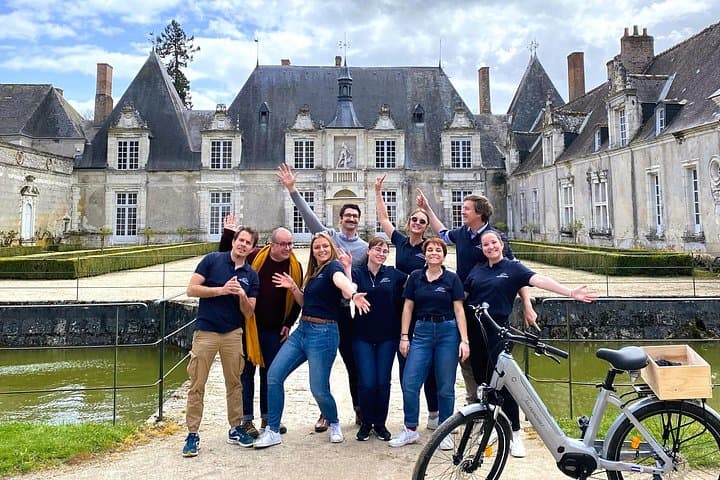
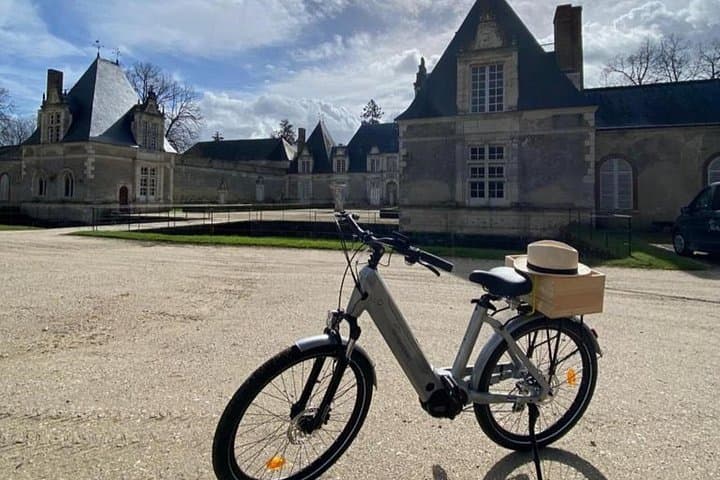
The tour includes an English‑speaking guide, use of an e‑bike, a snack and a local beverage at a private château, and air‑conditioned vehicle transfers for parts of the itinerary.
The tour is not recommended for pregnant travelers or those with serious heart conditions; a minimum height of about 155 cm (5'1") may apply for bike fitting.
Château de Chambord was begun for François I in the early 1500s and shows strong Italian Renaissance influence; the estate served royal hunting and display functions for centuries.
Chambord sits within a managed estate and game reserve—stay on roads and public paths, respect vineyards and private property, and carry out trash to reduce visitor impact.
à la française operates guided outdoor trips and adventures with an emphasis on safety, stewardship, and memorable experiences.
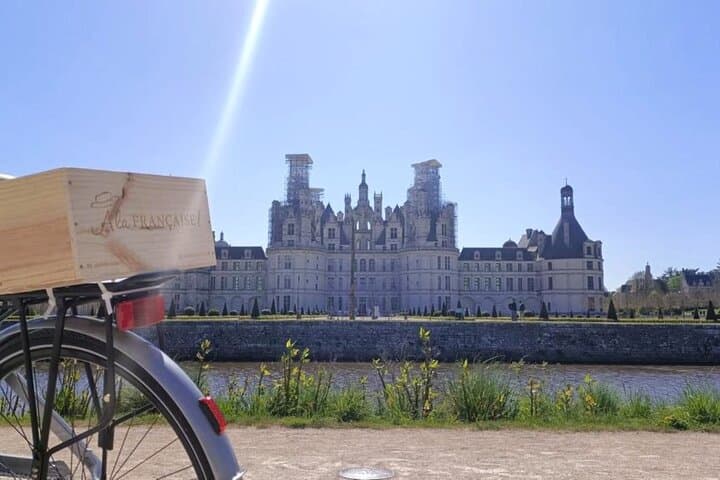
The morning opens cool along the Loire: poplars sketch shadows over quiet lanes as an e‑bike hums to life and the outline of Château de Chambord appears on the horizon. Riders move through low river plains and neat vineyard rows, the chateau’s Renaissance roofline growing clearer between limestone copses and chestnut woods.
The morning opens cool along the Loire: poplars sketch shadows over quiet lanes as an e‑bike hums to life and the outline of Château de Chambord appears on the horizon. Riders move through low river plains and neat vineyard rows, the chateau’s Renaissance roofline growing clearer between limestone copses and chestnut woods.
Chambord was raised in the 16th century under François I, its double-helix stair often linked to Leonardo da Vinci and its façade an exercise in Renaissance ambition. Geologically the route runs across the Loire floodplain and soft limestone plateaus—gentle grades, fertile soils, and narrow tributaries like the Cosson that carve sheltered riparian corridors. Local culture is agricultural and château-driven: small family properties, fruit orchards, goat cheeses and wines shape the landscape more than industry.
Expect a mixed but tame ride: roughly 30–45 km of mostly paved country roads with occasional gravel lanes, and cumulative elevation of a few hundred meters of rolling terrain rather than steep climbs. The tour pairs guided cycling with time beside Chambord—plus a stop at a private château for a snack and a local beverage—and transfers by air‑conditioned vehicle are used for sections of the itinerary.
Practically, bring a charged battery or plan to top up at the meeting point, wear closed shoes, and carry a light pack with water and wind layer. Mid‑week mornings and shoulder seasons deliver fewer buses and better light for photos. Riders should be comfortable on a road or hybrid bike, able to maintain steady effort for several hours, and follow the guide’s pace for safety and the best local stories.