THE ADVENTURE COLLECTIVE® · Independent discovery and booking for outdoor travel

Ride electric bikes from Hiroshima into Oasa’s farming landscapes for a half‑day of panoramic viewpoints, garden‑fresh lunch, and encounters with rural life. This guided trip blends easy e‑bike climbs with cultural stops and adaptable winter options.
Ride electric bikes from Hiroshima into Oasa’s farming landscapes for a half‑day of panoramic viewpoints, garden‑fresh lunch, and encounters with rural life. This guided trip blends easy e‑bike climbs with cultural stops and adaptable winter options.
The morning bus drops the group at a quiet mountain valley and the first thing you notice is the sound of water: narrow streams threading the rice fields, daring you to slow down and listen. Riders mount high‑quality electric bikes that make short climbs feel like a rolling glide. The route rolls through small farming hamlets, past neat paddies reflecting the sky, and up to an open ridge with a wide view over Oasa and the surrounding peaks.
Verified experiences and guided adventures in the surrounding area.
Operated by Oasa Mobility Station · Kitahiroshima, Hiroshima Prefecture
The morning bus drops the group at a quiet mountain valley and the first thing you notice is the sound of water: narrow streams threading the rice fields, daring you to slow down and listen. Riders mount high‑quality electric bikes that make short climbs feel like a rolling glide. The route rolls through small farming hamlets, past neat paddies reflecting the sky, and up to an open ridge with a wide view over Oasa and the surrounding peaks.
This part of Kitahiroshima retains an agricultural layout shaped over centuries—terraced rice paddies, wooden farmhouses, and small Shinto shrines marking village boundaries. Geologically the area is carved by rivers from the Chūgoku Range; soils and slopes favor mixed farming rather than intensive industry. Culturally, hosts emphasize hands‑on exchange: conversation with farmers, a stop at Aino Sato Herb Garden for seasonal produce, and weekday sushi workshops in winter when the garden closes.
Practically, expect a four‑hour outing: e‑bike instruction, on‑road and farm‑lane riding, a garden lunch (vegan options by request), and gentle uphill viewpoints. Helmets are supplied, minimum rider height is 140 cm, and a moderate fitness level is best. In snowy conditions the operator adapts with snowshoeing or a scenic drive. Bring a refillable water bottle, layered clothing, and closed‑toe shoes. Timing your visit for clear mornings rewards you with the sharp light that lifts the valleys and makes the fields glow; guides keep groups small to preserve local life and minimize impact.
moderate.
4 hours.
Moderate—good for riders comfortable on mixed pavement and dirt, with ability to ride an e‑bike independently.
No—guides offer a brief orientation and the e‑bikes assist climbs, but riders must be able to balance and control a bicycle on their own.
Yes—JR Pass holders can use JR Bus round‑trip for stations listed in the meeting information; confirm current schedules before travel.
Yes—vegan‑friendly lunch options are available with at least three days’ advance notice during booking.
If heavy snow prevents safe cycling, the operator adapts the day with snowshoe trekking or a scenic driving route to cover local sights.
The villages around Oasa developed around small mountain streams and rice terraces; older buildings on the main street reflect a past when rural trade flowed between valleys.
Operators emphasize small groups and support local producers—leave no trace, avoid trampling paddies, and accept local guidance to minimize impact.
Oasa Mobility Station operates guided outdoor trips and adventures with an emphasis on safety, stewardship, and memorable experiences.
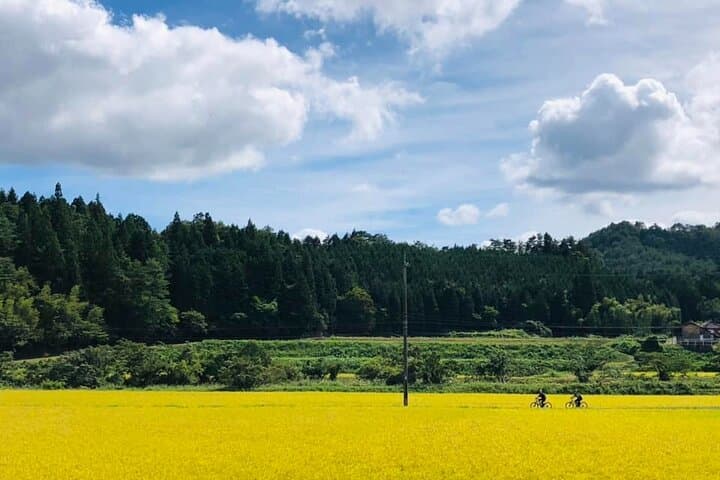
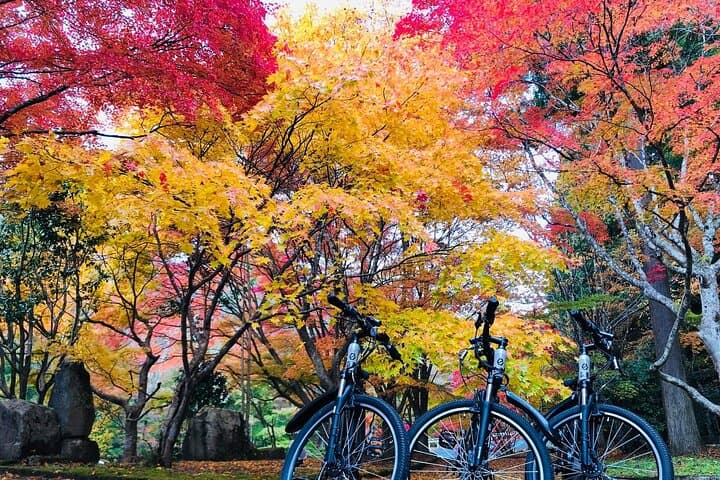
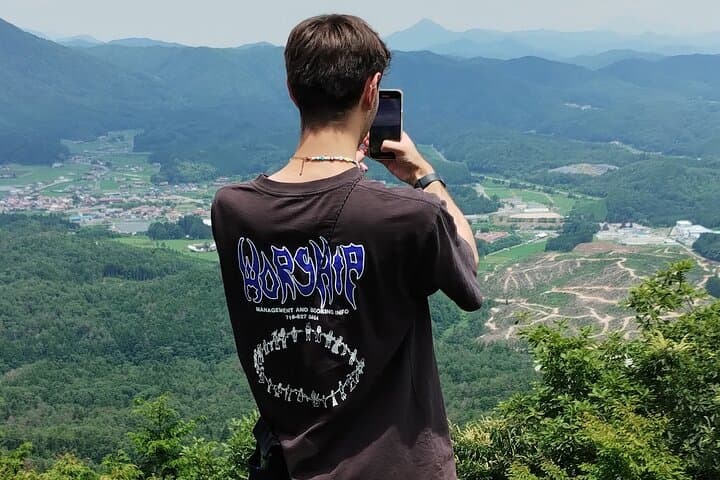
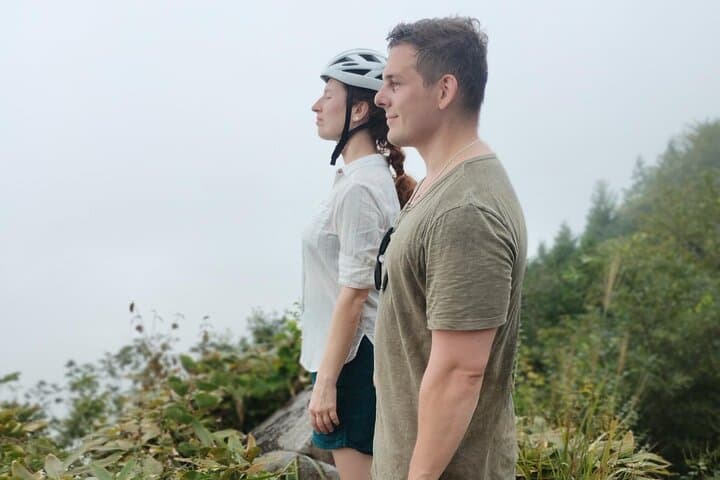
The morning bus drops the group at a quiet mountain valley and the first thing you notice is the sound of water: narrow streams threading the rice fields, daring you to slow down and listen. Riders mount high‑quality electric bikes that make short climbs feel like a rolling glide. The route rolls through small farming hamlets, past neat paddies reflecting the sky, and up to an open ridge with a wide view over Oasa and the surrounding peaks.
The morning bus drops the group at a quiet mountain valley and the first thing you notice is the sound of water: narrow streams threading the rice fields, daring you to slow down and listen. Riders mount high‑quality electric bikes that make short climbs feel like a rolling glide. The route rolls through small farming hamlets, past neat paddies reflecting the sky, and up to an open ridge with a wide view over Oasa and the surrounding peaks.
This part of Kitahiroshima retains an agricultural layout shaped over centuries—terraced rice paddies, wooden farmhouses, and small Shinto shrines marking village boundaries. Geologically the area is carved by rivers from the Chūgoku Range; soils and slopes favor mixed farming rather than intensive industry. Culturally, hosts emphasize hands‑on exchange: conversation with farmers, a stop at Aino Sato Herb Garden for seasonal produce, and weekday sushi workshops in winter when the garden closes.
Practically, expect a four‑hour outing: e‑bike instruction, on‑road and farm‑lane riding, a garden lunch (vegan options by request), and gentle uphill viewpoints. Helmets are supplied, minimum rider height is 140 cm, and a moderate fitness level is best. In snowy conditions the operator adapts with snowshoeing or a scenic drive. Bring a refillable water bottle, layered clothing, and closed‑toe shoes. Timing your visit for clear mornings rewards you with the sharp light that lifts the valleys and makes the fields glow; guides keep groups small to preserve local life and minimize impact.