THE ADVENTURE COLLECTIVE® · Independent discovery and booking for outdoor travel

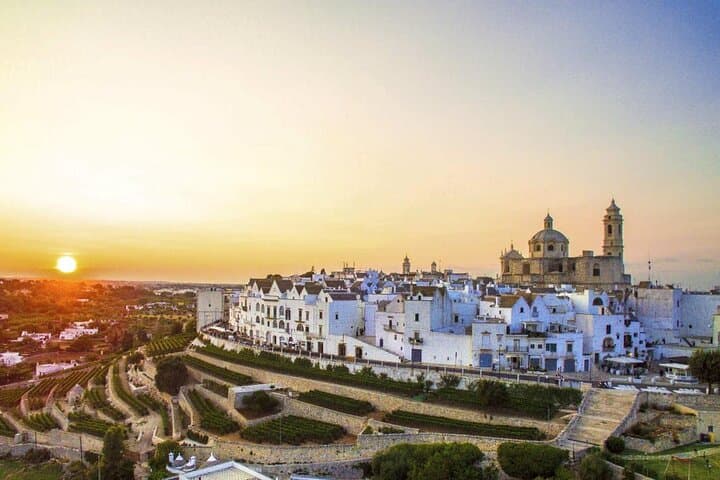
Pedal electric-assist through the Itria Valley’s vineyards and olive groves to UNESCO-listed trulli in Alberobello, then finish with a vineyard wine tasting overlooking Locorotondo’s white alleys. A short, scenic loop ideal for first-time e-bikers.
Pedal electric-assist through the Itria Valley’s vineyards and olive groves to UNESCO-listed trulli in Alberobello, then finish with a vineyard wine tasting overlooking Locorotondo’s white alleys. A short, scenic loop ideal for first-time e-bikers.
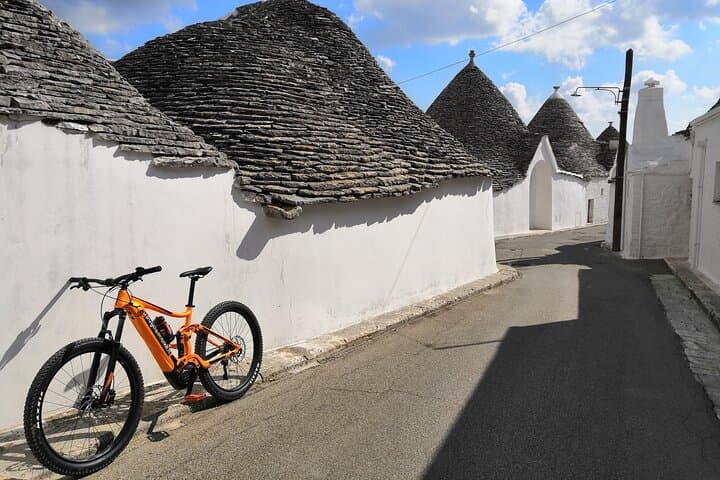
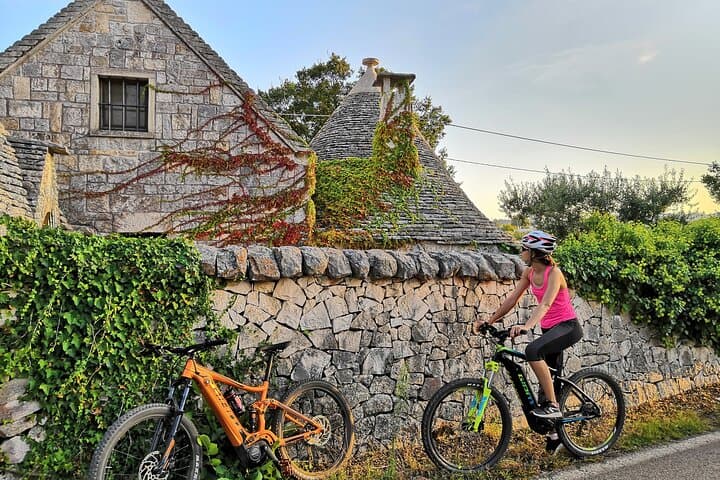
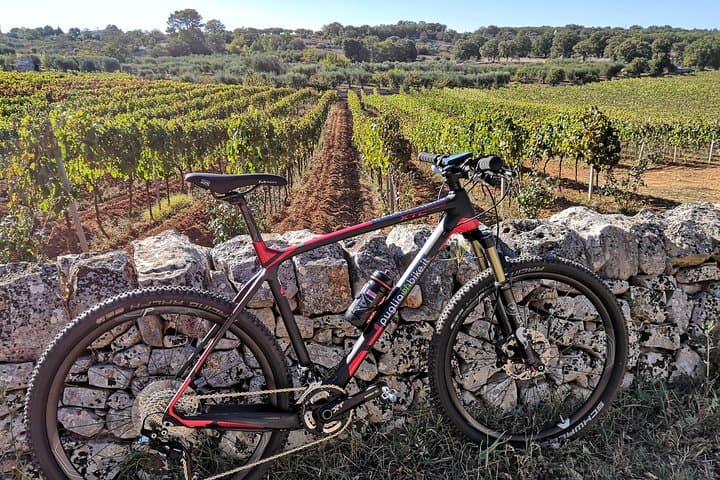
The hum of an electric motor, the scent of olive oil and grapes, and a narrow road that rises to a wide view — that’s the opening scene on an e-bike through Puglia’s Itria Valley. You roll past low dry-stone walls, rows of vines leaning into the sun, and the white cone-roofed trulli of Alberobello appearing like a village from another century.
Verified experiences and guided adventures in the surrounding area.
Operated by Puglia On Bike · Alberobello, Puglia
The hum of an electric motor, the scent of olive oil and grapes, and a narrow road that rises to a wide view — that’s the opening scene on an e-bike through Puglia’s Itria Valley. You roll past low dry-stone walls, rows of vines leaning into the sun, and the white cone-roofed trulli of Alberobello appearing like a village from another century.
This landscape is shaped by karst geology: limestone terraces carved by wind and rain, producing shallow soils where olive and grape thrive. Alberobello’s trulli are a pragmatic architecture born of that stone — corbelled roofs stacked without mortar — and the town’s UNESCO status preserves a local building craft and a rural way of life. Locorotondo offers a contrast: whitewashed alleys, balconied houses, and the “cummerse” — courtyards and terraces that open to valley panoramas.
On this guided 3–4 hour loop you’ll pedal mostly on gentle country roads with short inclines easily assisted by the motor, and pause for a vineyard tasting that puts a glass in your hand with a view over the valley.
Practical guidance: arrive with a charged phone, closed-toe shoes, and a small pack for water and layers; helmets and bikes are provided but check for proper fit. Morning rides are cooler and light is best for photos; afternoons can be busy with other cyclists. Respect private vineyards, follow your guide, and sip slowly — the wine here is as much a map of place as the paths you ride.
easy.
3–4 hours.
Suitable for people with basic fitness; e-bike assists on hills so standalone cycling fitness is not required
Yes — the tour includes a tasting of a glass of local wine in a vineyard; additional drinks or seating may be extra.
Yes, bicycle use and helmets are included; infant seats are available on request for small children.
Not recommended for travelers with spinal injuries or serious cardiovascular conditions; consult your physician before booking.
Expect a 3–4 hour loop of mostly gentle country roads with short climbs; the e-bike’s motor handles steeper pitches.
The trulli of Alberobello are a historic dry-stone building tradition; their construction reflects tax-avoidance and local craft from the 17th–18th centuries.
Stick to roads and marked paths to protect fragile dry-stone walls and vineyard terraces; support local producers by purchasing small-batch wine and olive oil.
Puglia On Bike operates guided outdoor trips and adventures with an emphasis on safety, stewardship, and memorable experiences.
The hum of an electric motor, the scent of olive oil and grapes, and a narrow road that rises to a wide view — that’s the opening scene on an e-bike through Puglia’s Itria Valley. You roll past low dry-stone walls, rows of vines leaning into the sun, and the white cone-roofed trulli of Alberobello appearing like a village from another century.
The hum of an electric motor, the scent of olive oil and grapes, and a narrow road that rises to a wide view — that’s the opening scene on an e-bike through Puglia’s Itria Valley. You roll past low dry-stone walls, rows of vines leaning into the sun, and the white cone-roofed trulli of Alberobello appearing like a village from another century.
This landscape is shaped by karst geology: limestone terraces carved by wind and rain, producing shallow soils where olive and grape thrive. Alberobello’s trulli are a pragmatic architecture born of that stone — corbelled roofs stacked without mortar — and the town’s UNESCO status preserves a local building craft and a rural way of life. Locorotondo offers a contrast: whitewashed alleys, balconied houses, and the “cummerse” — courtyards and terraces that open to valley panoramas.
On this guided 3–4 hour loop you’ll pedal mostly on gentle country roads with short inclines easily assisted by the motor, and pause for a vineyard tasting that puts a glass in your hand with a view over the valley.
Practical guidance: arrive with a charged phone, closed-toe shoes, and a small pack for water and layers; helmets and bikes are provided but check for proper fit. Morning rides are cooler and light is best for photos; afternoons can be busy with other cyclists. Respect private vineyards, follow your guide, and sip slowly — the wine here is as much a map of place as the paths you ride.