THE ADVENTURE COLLECTIVE® · Independent discovery and booking for outdoor travel

Glide from the Gothic Quarter to the sea on an electric bike that links Gaudí’s grand works with lesser-known corners of Barcelona. This concise, three-hour circuit balances city history, architecture, and practical riding tips.
Glide from the Gothic Quarter to the sea on an electric bike that links Gaudí’s grand works with lesser-known corners of Barcelona. This concise, three-hour circuit balances city history, architecture, and practical riding tips.
You begin in the cool shade of the Gothic Quarter, tires whispering over uneven stone as narrow alleys open onto bright plazas. The guide nudges the throttle and the city loosens — merchants setting up, church bells marking the hour — and you roll toward the sea, wind pushing at your jacket as the skyline widens to reveal palm-lined Passeig Marítim.
Verified experiences and guided adventures in the surrounding area.
Operated by tectickets · Barcelona, Catalonia
You begin in the cool shade of the Gothic Quarter, tires whispering over uneven stone as narrow alleys open onto bright plazas. The guide nudges the throttle and the city loosens — merchants setting up, church bells marking the hour — and you roll toward the sea, wind pushing at your jacket as the skyline widens to reveal palm-lined Passeig Marítim.
This three-hour urban circuit threads medieval Barcelona and Antoni Gaudí’s modernisme. The Gothic Quarter preserves Roman and medieval street patterns while the Eixample’s grid showcases 19th-century expansion; Gaudí’s Sagrada Familia, Casa Milà and Casa Batlló demonstrate his play with stone, ceramic and light. Geologically the route sits on a low coastal plain below the Collserola ridge, with building stone sourced historically from nearby quarries and Montjuïc.
Culturally the ride moves between markets, the maritime Barceloneta, and artisan lanes of El Born, a mix of working neighborhoods and tourist icons. Expect varied surfaces: smooth bike lanes, occasional cobbles, and shared promenades.
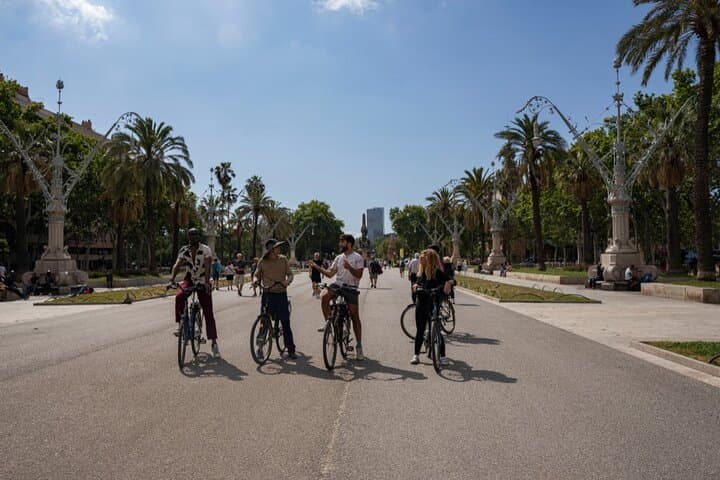
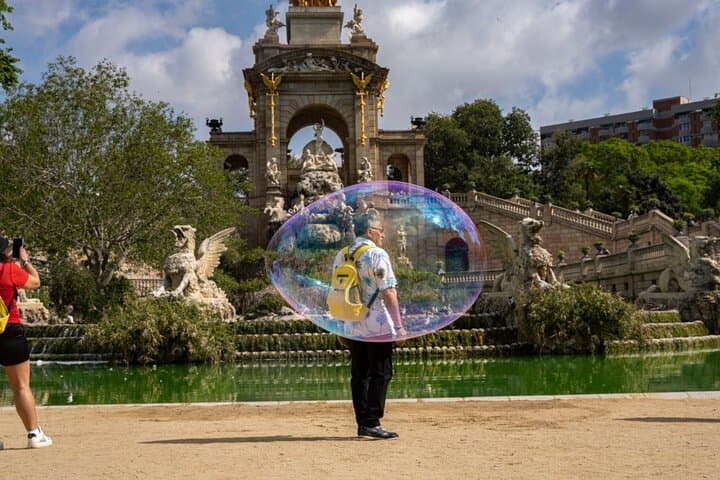
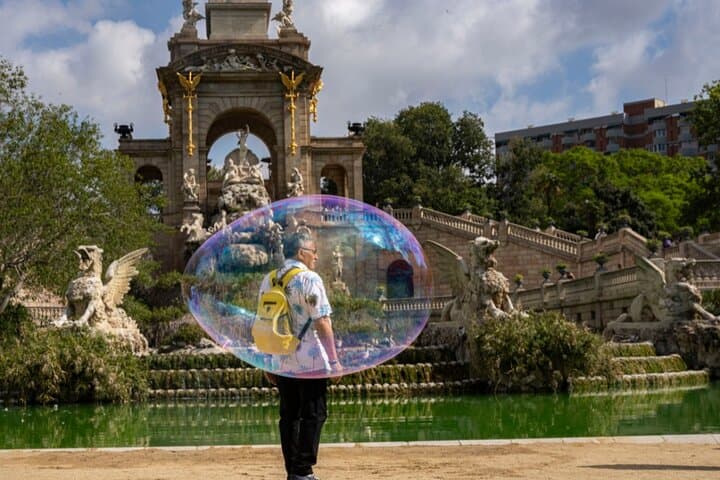
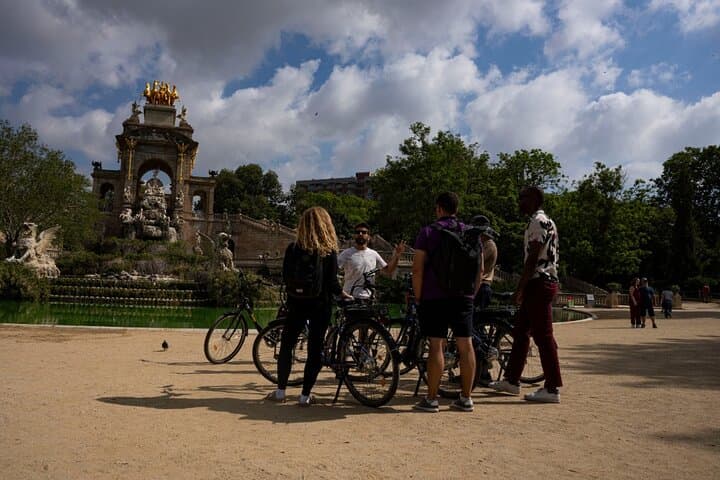
Practical guidance: the loop covers roughly 10–12 km with under 100 m of cumulative elevation gain, suitable for most fitness levels because the e-assist offsets longer stretches. Bring a charged phone, water, and layered clothing for coastal breezes. Ride defensively in busy plazas and use marked bike lanes along the seafront. Aim for morning or late afternoon to avoid peak pedestrian traffic and midday sun; stops at Parc de la Ciutadella and the Arc de Triomf are ideal for photos and quick breaks.
easy.
3 hours.
Suitable for most riders with basic fitness; e-assist reduces sustained effort but you should be comfortable balancing and stopping in traffic.
No—this tour is suitable for riders of all levels; guides provide a safety briefing and basic e-bike instruction before departure.
Expect roughly 10–12 km total and under 100 m cumulative elevation gain; most sections are flat with a few gentle rises.
Most tours include helmets; confirm with the operator and bring your own if you prefer a personal fit.
Yes—there are scheduled short stops at Parc de la Ciutadella and Arc de Triomf and you can pause at cafés in El Born or along Passeig Marítim.
Barcelona’s modern grid in Eixample reflects 19th-century industrial expansion; Gaudí’s modernisme emerged as a localized response blending craft, engineering and Catalan identity.
Cycling reduces urban emissions and helps manage tourist pressure; stick to bike lanes, avoid riding in pedestrian-only zones, and respect local signage to limit impact.
tectickets operates guided outdoor trips and adventures with an emphasis on safety, stewardship, and memorable experiences.
You begin in the cool shade of the Gothic Quarter, tires whispering over uneven stone as narrow alleys open onto bright plazas. The guide nudges the throttle and the city loosens — merchants setting up, church bells marking the hour — and you roll toward the sea, wind pushing at your jacket as the skyline widens to reveal palm-lined Passeig Marítim.
You begin in the cool shade of the Gothic Quarter, tires whispering over uneven stone as narrow alleys open onto bright plazas. The guide nudges the throttle and the city loosens — merchants setting up, church bells marking the hour — and you roll toward the sea, wind pushing at your jacket as the skyline widens to reveal palm-lined Passeig Marítim.
This three-hour urban circuit threads medieval Barcelona and Antoni Gaudí’s modernisme. The Gothic Quarter preserves Roman and medieval street patterns while the Eixample’s grid showcases 19th-century expansion; Gaudí’s Sagrada Familia, Casa Milà and Casa Batlló demonstrate his play with stone, ceramic and light. Geologically the route sits on a low coastal plain below the Collserola ridge, with building stone sourced historically from nearby quarries and Montjuïc.
Culturally the ride moves between markets, the maritime Barceloneta, and artisan lanes of El Born, a mix of working neighborhoods and tourist icons. Expect varied surfaces: smooth bike lanes, occasional cobbles, and shared promenades.
Practical guidance: the loop covers roughly 10–12 km with under 100 m of cumulative elevation gain, suitable for most fitness levels because the e-assist offsets longer stretches. Bring a charged phone, water, and layered clothing for coastal breezes. Ride defensively in busy plazas and use marked bike lanes along the seafront. Aim for morning or late afternoon to avoid peak pedestrian traffic and midday sun; stops at Parc de la Ciutadella and the Arc de Triomf are ideal for photos and quick breaks.