THE ADVENTURE COLLECTIVE® · Independent discovery and booking for outdoor travel

Cycle from Alberobello’s trulli into the Valle d’Itria, visit a family mill and learn to make orecchiette by hand. This half-day e-bike and pasta class mixes gentle riding with local history and a hands-on culinary finish.
Cycle from Alberobello’s trulli into the Valle d’Itria, visit a family mill and learn to make orecchiette by hand. This half-day e-bike and pasta class mixes gentle riding with local history and a hands-on culinary finish.
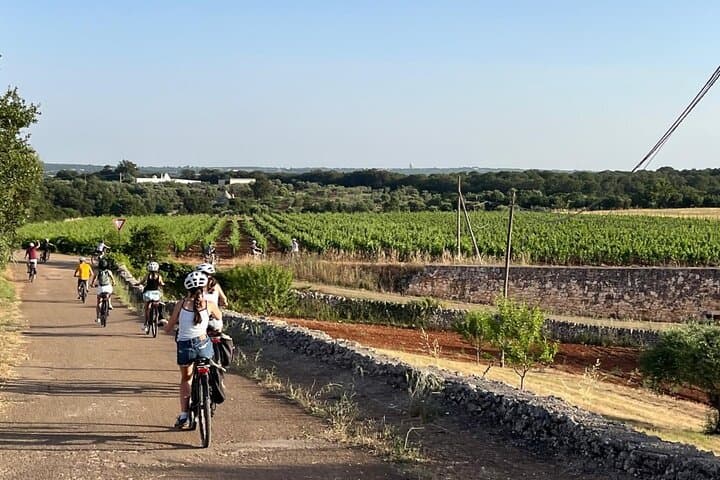
You push off from Alberobello’s stone-paved lanes as morning light grazes the conical trulli roofs; the e-bike hums and the road unfurls through low dry-stone walls, vineyards and olive groves. The countryside feels assertive—winds that move through the oaks seem to urge you down the track—while the trulli stand like practical small fortresses, their whitewashed faces catching the sun.
Verified experiences and guided adventures in the surrounding area.
Operated by Tours Puglia · Alberobello, Puglia
You push off from Alberobello’s stone-paved lanes as morning light grazes the conical trulli roofs; the e-bike hums and the road unfurls through low dry-stone walls, vineyards and olive groves. The countryside feels assertive—winds that move through the oaks seem to urge you down the track—while the trulli stand like practical small fortresses, their whitewashed faces catching the sun.
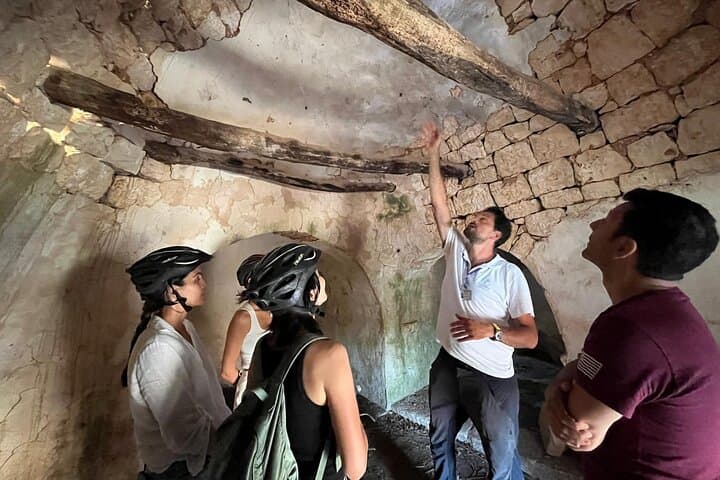
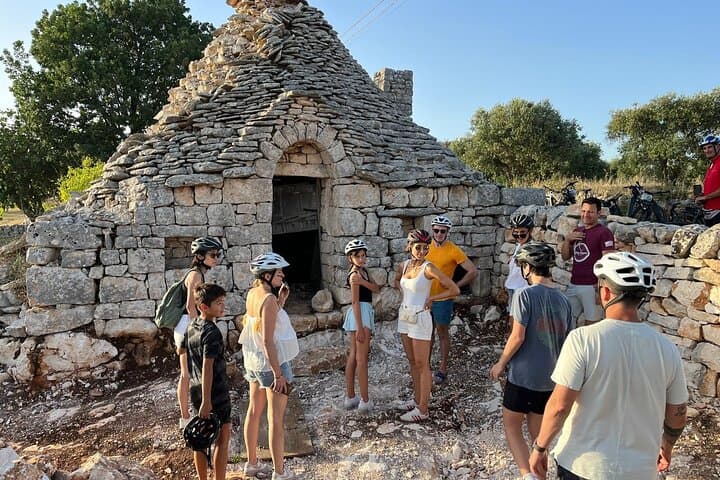
This part of Puglia, the Valle d’Itria, is limestone country: lightweight soils, terraced fields and centuries-old walling techniques that shaped both settlement and agriculture. Alberobello’s trulli—dry-stone huts with corbelled roofs—are a UNESCO-recognized vernacular architecture tied to local pasture and tax histories. The family-run mill you visit shows traditional milling machinery and explains how durum wheat becomes flour, a local thread tying farmland to kitchen.
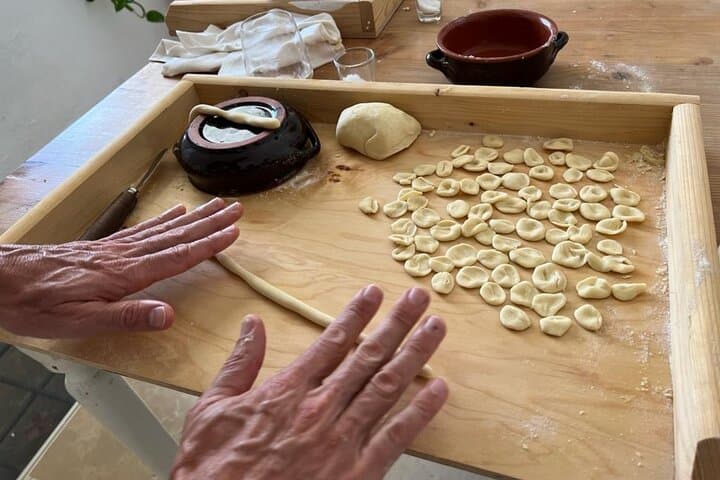
Hands-on pasta making with molinari women turns ingredients into orecchiette, and tasting that fresh pasta with a local wine highlights the region’s slow-food culture: practical, seasonal, and rooted in quality grain.
Practical guidance: the ride is 3–4 hours total with mostly flat to gently rolling terrain—an e-bike assists on short rises. Wear closed-toe shoes and layers; bring a charged phone for photos and a small daypack for water and sunscreen. Expect mixed surfaces: paved village streets and compact country tracks between fields. Helmets and basic bike orientation are provided; mention dietary needs when you book. Timing the tour for morning or late afternoon avoids the hottest sun in summer and makes the light on the trulli especially good for photos.
This experience blends light cycling, cultural history and straightforward hands-on cooking—ideal for travelers wanting active learning without high exertion.
easy.
3–4 hours.
Light to moderate—suitable for beginners and casual cyclists; comfortable walking and basic bike handling are sufficient
The full activity lasts about 3.5 hours including the mill visit and the pasta workshop; the e-bike assists on rises so the ride is relaxed and accessible.
No advanced experience required—guides provide orientation and the route uses mostly calm country roads and compact tracks.
Yes—notify the operator when booking so they can prepare alternative ingredients or non-alcoholic options.
The meeting point is in central Alberobello; public transit options are nearby and the tour is family-friendly with infant seats available on request.
Alberobello’s trulli reflect a dry-stone building tradition going back centuries; the town is notable for its concentration of these cone-roofed structures and is UNESCO-listed.
Maintain respect for dry-stone walls and farmland—stick to lanes, avoid trampling crops, and support local producers to encourage sustainable rural tourism.
Tours Puglia operates guided outdoor trips and adventures with an emphasis on safety, stewardship, and memorable experiences.
You push off from Alberobello’s stone-paved lanes as morning light grazes the conical trulli roofs; the e-bike hums and the road unfurls through low dry-stone walls, vineyards and olive groves. The countryside feels assertive—winds that move through the oaks seem to urge you down the track—while the trulli stand like practical small fortresses, their whitewashed faces catching the sun.
You push off from Alberobello’s stone-paved lanes as morning light grazes the conical trulli roofs; the e-bike hums and the road unfurls through low dry-stone walls, vineyards and olive groves. The countryside feels assertive—winds that move through the oaks seem to urge you down the track—while the trulli stand like practical small fortresses, their whitewashed faces catching the sun.
This part of Puglia, the Valle d’Itria, is limestone country: lightweight soils, terraced fields and centuries-old walling techniques that shaped both settlement and agriculture. Alberobello’s trulli—dry-stone huts with corbelled roofs—are a UNESCO-recognized vernacular architecture tied to local pasture and tax histories. The family-run mill you visit shows traditional milling machinery and explains how durum wheat becomes flour, a local thread tying farmland to kitchen.
Hands-on pasta making with molinari women turns ingredients into orecchiette, and tasting that fresh pasta with a local wine highlights the region’s slow-food culture: practical, seasonal, and rooted in quality grain.
Practical guidance: the ride is 3–4 hours total with mostly flat to gently rolling terrain—an e-bike assists on short rises. Wear closed-toe shoes and layers; bring a charged phone for photos and a small daypack for water and sunscreen. Expect mixed surfaces: paved village streets and compact country tracks between fields. Helmets and basic bike orientation are provided; mention dietary needs when you book. Timing the tour for morning or late afternoon avoids the hottest sun in summer and makes the light on the trulli especially good for photos.
This experience blends light cycling, cultural history and straightforward hands-on cooking—ideal for travelers wanting active learning without high exertion.