THE ADVENTURE COLLECTIVE® · Independent discovery and booking for outdoor travel

Rent an e-bike on the Lungotevere and trace the Tiber through Rome at your own pace. From short two-hour loops to full-day explorations, this rental pairs effortless pedaling with riverside views and practical family-friendly gear.
Rent an e-bike on the Lungotevere and trace the Tiber through Rome at your own pace. From short two-hour loops to full-day explorations, this rental pairs effortless pedaling with riverside views and practical family-friendly gear.
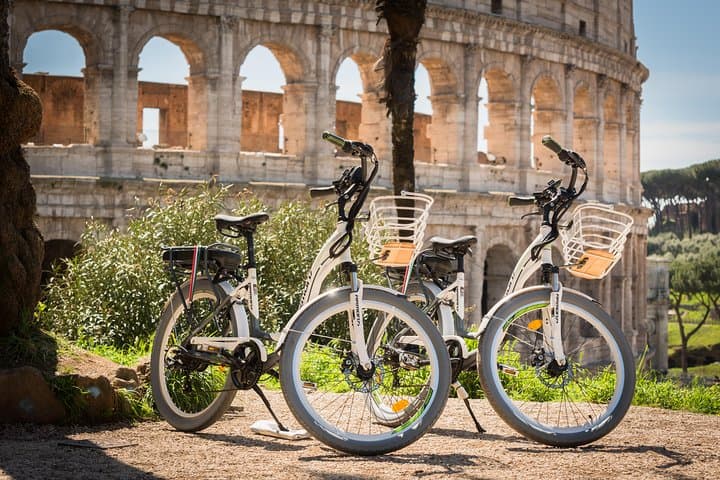
The Tiber flows slow and wide through Rome, and the cycle path that traces its bends offers a rare horizontal view of the city — low, fast, and intimate. Start with an e-bike beneath plane trees on the Lungotevere, helmet clicked and map on your phone, and you feel the city open: bridges, river traffic, and the occasional barge sliding past stone embankments.
Verified experiences and guided adventures in the surrounding area.
Operated by Bicycle Roma · Rome, Lazio
The Tiber flows slow and wide through Rome, and the cycle path that traces its bends offers a rare horizontal view of the city — low, fast, and intimate. Start with an e-bike beneath plane trees on the Lungotevere, helmet clicked and map on your phone, and you feel the city open: bridges, river traffic, and the occasional barge sliding past stone embankments.
The route follows a living piece of history. The Tiber has guided Rome’s growth since antiquity; many stretches you ride now were reinforced in the 19th century to control floods and shape the modern Lungotevere. Geologically the river corridor sits on alluvial plains of sand and silt, framing pockets of parks like Villa Borghese and small riparian habitats that support urban birds and hardy willow groves.
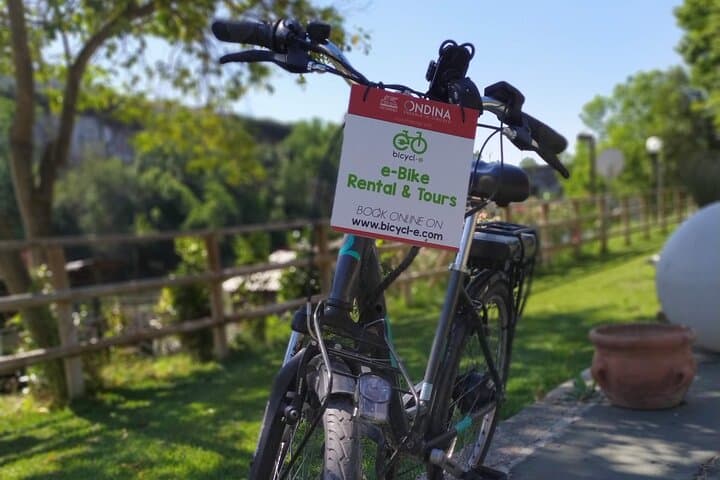
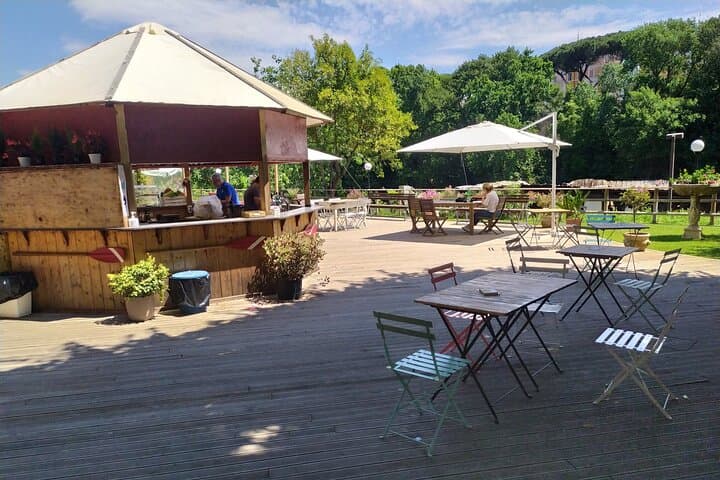
Culturally this is a commuter and leisure corridor — locals jog, students cycle, and vendors push carts near piazzas. The rental setup inside a local sports club supplies helmets, locks, pumps and baby seats, making it practical for families or solo explorers who want a self-guided day.
Practical guidance: choose your rental length based on stops — two hours covers a quick loop from Ponte Cavour to Ponte Milvio; four or eight hours lets you detour into Villa Borghese, the Jewish Ghetto, and along quieter riverbanks. Charge e-bikes before long rides, carry a charged phone for maps, and lock bikes at attended spots or use supplied chains. Ride defensively: traffic on feeder streets can be heavy and cobbles reclaim space near historic sites. Hydrate, plan light breaks at riverfront cafés, and expect gentle slopes rather than steep climbs.
easy.
2–8 hours.
Suitable for riders of most fitness levels; e-bike assistance reduces effort but expect some pedaling and balance on cobbles.
Yes — helmets are included with every rental and should be worn for city riding.
Baby seats up to 20 kg are available at no extra cost; request when booking.
Typical e-bike assistance will last 40–80 km depending on assistance level, rider weight, and terrain; 4–8 hour rentals are common but check battery condition before departing.
Reservations are recommended, especially in high season; rentals confirm instantly and offer free cancellation up to 24 hours prior.
The Tiber has been Rome’s artery since ancient times; modern embankments built in the 19th century shaped the Lungotevere cycle path you ride today.
Cycling supports low-impact travel in central Rome; avoid littering along riverbanks and use designated bike racks to reduce street clutter.
Bicycle Roma operates guided outdoor trips and adventures with an emphasis on safety, stewardship, and memorable experiences.
The Tiber flows slow and wide through Rome, and the cycle path that traces its bends offers a rare horizontal view of the city — low, fast, and intimate. Start with an e-bike beneath plane trees on the Lungotevere, helmet clicked and map on your phone, and you feel the city open: bridges, river traffic, and the occasional barge sliding past stone embankments.
The Tiber flows slow and wide through Rome, and the cycle path that traces its bends offers a rare horizontal view of the city — low, fast, and intimate. Start with an e-bike beneath plane trees on the Lungotevere, helmet clicked and map on your phone, and you feel the city open: bridges, river traffic, and the occasional barge sliding past stone embankments.
The route follows a living piece of history. The Tiber has guided Rome’s growth since antiquity; many stretches you ride now were reinforced in the 19th century to control floods and shape the modern Lungotevere. Geologically the river corridor sits on alluvial plains of sand and silt, framing pockets of parks like Villa Borghese and small riparian habitats that support urban birds and hardy willow groves.
Culturally this is a commuter and leisure corridor — locals jog, students cycle, and vendors push carts near piazzas. The rental setup inside a local sports club supplies helmets, locks, pumps and baby seats, making it practical for families or solo explorers who want a self-guided day.
Practical guidance: choose your rental length based on stops — two hours covers a quick loop from Ponte Cavour to Ponte Milvio; four or eight hours lets you detour into Villa Borghese, the Jewish Ghetto, and along quieter riverbanks. Charge e-bikes before long rides, carry a charged phone for maps, and lock bikes at attended spots or use supplied chains. Ride defensively: traffic on feeder streets can be heavy and cobbles reclaim space near historic sites. Hydrate, plan light breaks at riverfront cafés, and expect gentle slopes rather than steep climbs.