THE ADVENTURE COLLECTIVE® · Independent discovery and booking for outdoor travel

Ride from Quito down into the Andean‑Chocó on an assisted e‑bike, passing cloud forest, cacao farms and hummingbird feeders before finishing near Lambi. This full‑day route mixes steep climbs, humid descents and exceptional bird life.
Ride from Quito down into the Andean‑Chocó on an assisted e‑bike, passing cloud forest, cacao farms and hummingbird feeders before finishing near Lambi. This full‑day route mixes steep climbs, humid descents and exceptional bird life.
At dawn you leave Quito’s high plateau and feel the air thicken as the road sheds altitude—2800 meters to roughly 1400 meters—until the Andes open into the wet, green arms of the Chocó. The ride moves through shifting habitats: páramo scrub gives way to cloud forest, then into the humid foothills where orchids colonize trunks and hummingbirds flit like quicksilver. The e‑bike does the heavy lifting on steep pitches; you still pedal, but the machine lets you choose where to push.
Verified experiences and guided adventures in the surrounding area.
Operated by Jose Luis Rodriguez · Mindo, Pichincha
At dawn you leave Quito’s high plateau and feel the air thicken as the road sheds altitude—2800 meters to roughly 1400 meters—until the Andes open into the wet, green arms of the Chocó. The ride moves through shifting habitats: páramo scrub gives way to cloud forest, then into the humid foothills where orchids colonize trunks and hummingbirds flit like quicksilver. The e‑bike does the heavy lifting on steep pitches; you still pedal, but the machine lets you choose where to push.
This corridor is where Andean geology meets Pacific humidity: volcanic slopes funnel moisture into ravines and create the steep gradients that drive rapid habitat change. Mindo’s small farms and cacao groves reflect a long local culture of subsistence agriculture and bird‑watching tourism; chocolate and coffee aromas mingle with forest humidity. Naturalists first cataloged the area’s biodiversity in the 20th century, and today community guides balance tourism with small‑scale conservation.
Practically, expect mixed surfaces—paved stretches, gravel shoulders and some muddy singletrack after rain. Temperatures drop with altitude: mornings in Quito can be cool, afternoons near Mindo humid and hot. Helmets and a basic mechanical kit are standard; a support vehicle follows on longer tours. Hydrate often, stage climbs to protect battery range, and scan the canopy for hummingbirds—Lambi is a reliable end point for more than 20 species.
Plan for a full‑day outing: pack a lightweight rain shell, layered clothing, sun protection, and cash for local snacks. The ride is immersive but pragmatic: it’s about scenery you can move through, not just admire from the roadside.
moderate.
8–10 hours.
Moderate fitness: able to pedal intermittently, handle several hours in the saddle, and manage altitude change.
Climbs can be steep but the e‑bike provides pedal assist; riders with moderate fitness who can handle basic gears and braking will do fine.
Specialized infant seats are available and service animals are allowed, but check age/weight limits with the operator beforehand.
Expect abundant hummingbirds (20+ species near Lambi), butterflies and common cloud forest birds; larger mammals are rare and shy.
Tours may be canceled for heavy rain; operators typically offer refunds or rescheduling if conditions make riding unsafe.
The route traces old transit paths between Andean highlands and Pacific slopes; local communities turned to eco‑tourism and sustainable agriculture as birding grew in popularity.
The Chocó‑Andean corridor is a biodiversity hotspot under pressure from deforestation; choose operators who support local conservation and stay on designated routes.
Jose Luis Rodriguez operates guided outdoor trips and adventures with an emphasis on safety, stewardship, and memorable experiences.
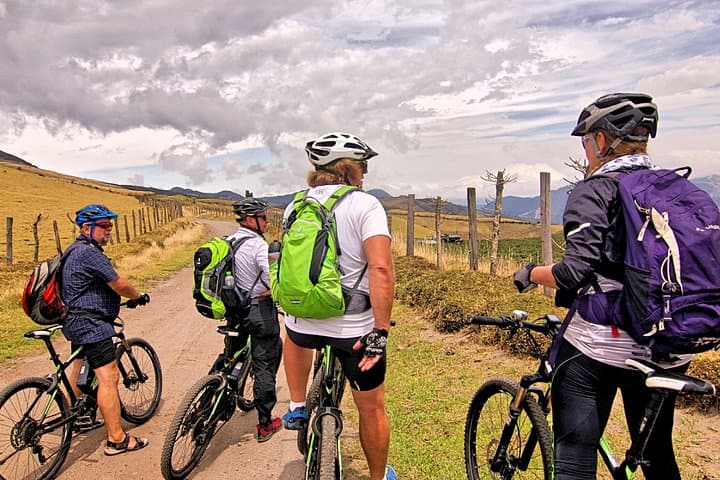
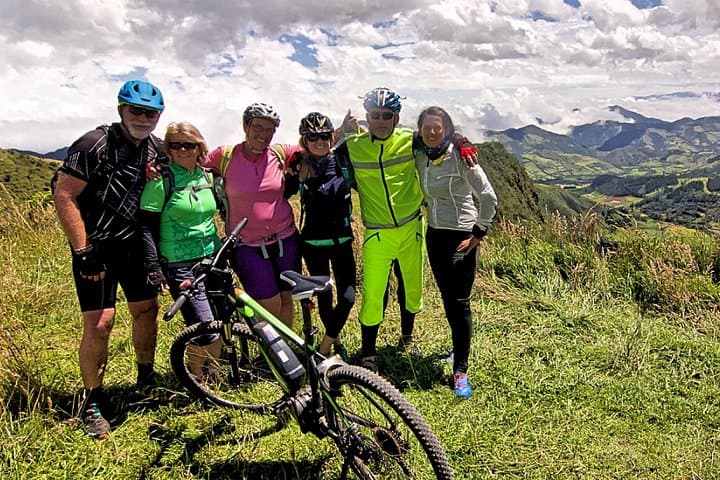
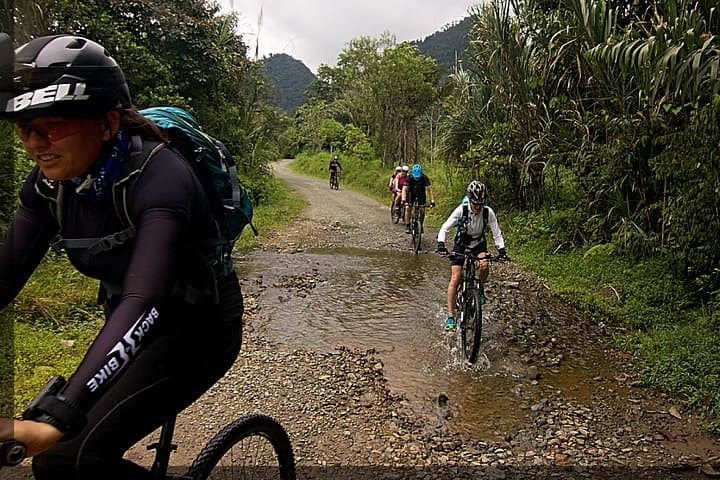
At dawn you leave Quito’s high plateau and feel the air thicken as the road sheds altitude—2800 meters to roughly 1400 meters—until the Andes open into the wet, green arms of the Chocó. The ride moves through shifting habitats: páramo scrub gives way to cloud forest, then into the humid foothills where orchids colonize trunks and hummingbirds flit like quicksilver. The e‑bike does the heavy lifting on steep pitches; you still pedal, but the machine lets you choose where to push.
At dawn you leave Quito’s high plateau and feel the air thicken as the road sheds altitude—2800 meters to roughly 1400 meters—until the Andes open into the wet, green arms of the Chocó. The ride moves through shifting habitats: páramo scrub gives way to cloud forest, then into the humid foothills where orchids colonize trunks and hummingbirds flit like quicksilver. The e‑bike does the heavy lifting on steep pitches; you still pedal, but the machine lets you choose where to push.
This corridor is where Andean geology meets Pacific humidity: volcanic slopes funnel moisture into ravines and create the steep gradients that drive rapid habitat change. Mindo’s small farms and cacao groves reflect a long local culture of subsistence agriculture and bird‑watching tourism; chocolate and coffee aromas mingle with forest humidity. Naturalists first cataloged the area’s biodiversity in the 20th century, and today community guides balance tourism with small‑scale conservation.
Practically, expect mixed surfaces—paved stretches, gravel shoulders and some muddy singletrack after rain. Temperatures drop with altitude: mornings in Quito can be cool, afternoons near Mindo humid and hot. Helmets and a basic mechanical kit are standard; a support vehicle follows on longer tours. Hydrate often, stage climbs to protect battery range, and scan the canopy for hummingbirds—Lambi is a reliable end point for more than 20 species.
Plan for a full‑day outing: pack a lightweight rain shell, layered clothing, sun protection, and cash for local snacks. The ride is immersive but pragmatic: it’s about scenery you can move through, not just admire from the roadside.