THE ADVENTURE COLLECTIVE® · Independent discovery and booking for outdoor travel

Cycle quiet lanes out of Heraklion to visit Prophet Ilias and Kiparissi, tour a family olive oil mill, and sample regional wine and meze. This 5‑hour e‑bike outing blends easy riding with hands‑on food culture.
Cycle quiet lanes out of Heraklion to visit Prophet Ilias and Kiparissi, tour a family olive oil mill, and sample regional wine and meze. This 5‑hour e‑bike outing blends easy riding with hands‑on food culture.
The morning opens with sun on stone and the smell of warm earth as you mount an e‑bike outside Heraklion and roll toward low limestone ridges. Olive trees line narrow lanes; their silver leaves flash as you pass small terraces and a church on a hill where the village of Prophet Ilias watches the plain.
Verified experiences and guided adventures in the surrounding area.
Operated by ecobikegreece · Heraklion, Crete
The morning opens with sun on stone and the smell of warm earth as you mount an e‑bike outside Heraklion and roll toward low limestone ridges. Olive trees line narrow lanes; their silver leaves flash as you pass small terraces and a church on a hill where the village of Prophet Ilias watches the plain.
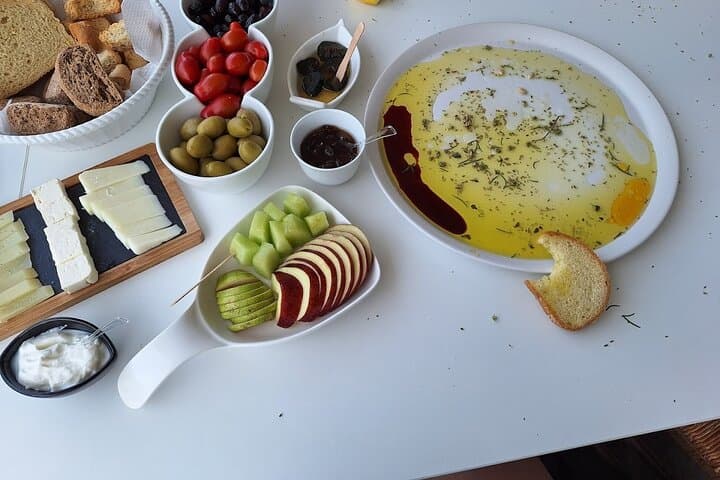
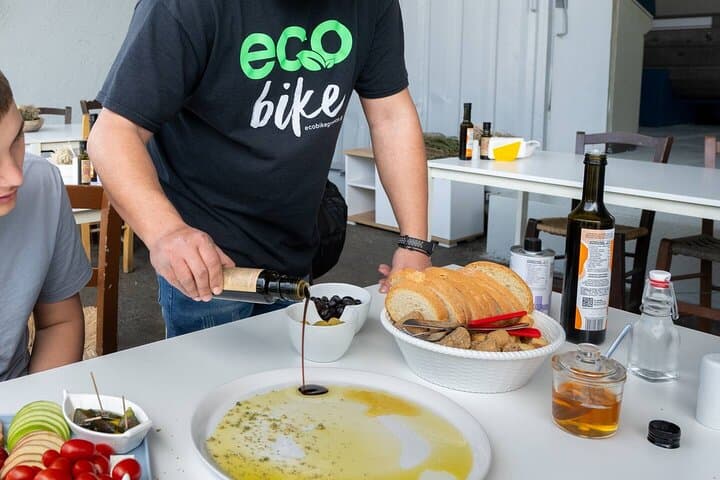
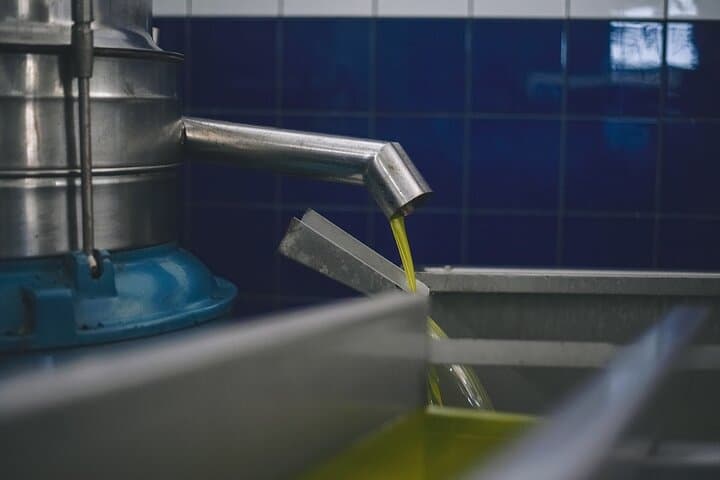
This route threads living agricultural history. Crete’s olive culture stretches back to Minoan times; the island’s soils—limestone and alluvial pockets—favor hardy trees and small vineyards. In villages like Prophet Ilias and Kiparissi, you meet producers who still press by modern and traditional methods, and learn how terroir, timing and milling shape flavor. The olive oil factory visit pairs a short mill tour with tastings and local meze; vineyards nearby explain Cretan wine varieties and local pairing approaches.
Expect roughly 20 km of riding over rural asphalt and compact gravel with 200–400 m cumulative elevation gain—manageable on an e‑bike but with brief climbs that reward views. Terrain can be dusty; narrow lanes mean single file and attention when passing tractors.
Practical notes: bring sun protection, a refillable water bottle, and shoes with decent tread for sidetrips. Morning departures avoid midday heat and make tastings more pleasant. Respect private groves, ask before photographing people or farms, and carry cash for small purchases. The day balances easy pedaling with cultural contact—ideal for riders who want low‑effort exploration with sensory rewards: the peppery hit of green oil, the snap of local bread, and the quiet confidence of ancient trees.
easy.
5 hours.
Suitable for riders of basic fitness; e‑bike assistance reduces strain but expect short climbs and 20 km of mixed surfaces.
The tour runs about 5 hours covering roughly 20 km with 200–400 m cumulative elevation—easy on an e‑bike but expect short climbs and variable surfaces.
Yes—helmets and electric bicycles are included; bring a comfortable pair of shoes and any personal padding if desired.
Yes—olive oil tastings, small meze plates and bottled water are included; you can buy extra products at the mill or local tavernas.
Generally yes for older children who can ride safely; confirm age restrictions with the operator and mention any concerns when booking.
Olive cultivation on Crete dates to the Minoan era; many local groves are grown on centuries‑old terraces and remain central to village economies.
Support small producers by buying local bottles, avoid trampling young trees, and carry out packaging to minimize litter in rural lanes.
ecobikegreece operates guided outdoor trips and adventures with an emphasis on safety, stewardship, and memorable experiences.
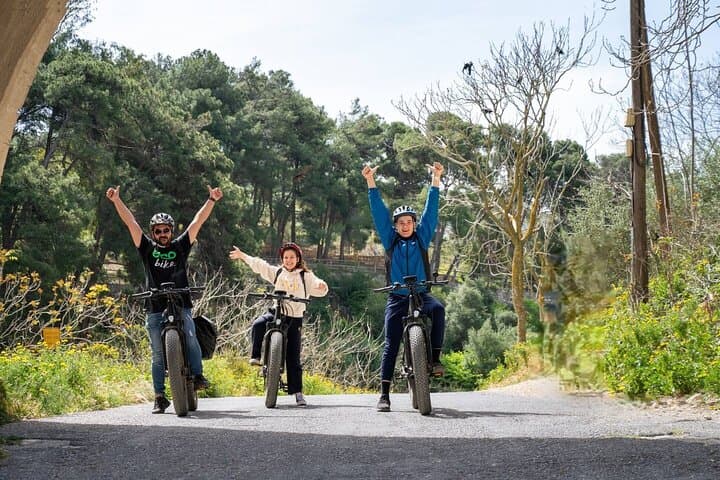
The morning opens with sun on stone and the smell of warm earth as you mount an e‑bike outside Heraklion and roll toward low limestone ridges. Olive trees line narrow lanes; their silver leaves flash as you pass small terraces and a church on a hill where the village of Prophet Ilias watches the plain.
The morning opens with sun on stone and the smell of warm earth as you mount an e‑bike outside Heraklion and roll toward low limestone ridges. Olive trees line narrow lanes; their silver leaves flash as you pass small terraces and a church on a hill where the village of Prophet Ilias watches the plain.
This route threads living agricultural history. Crete’s olive culture stretches back to Minoan times; the island’s soils—limestone and alluvial pockets—favor hardy trees and small vineyards. In villages like Prophet Ilias and Kiparissi, you meet producers who still press by modern and traditional methods, and learn how terroir, timing and milling shape flavor. The olive oil factory visit pairs a short mill tour with tastings and local meze; vineyards nearby explain Cretan wine varieties and local pairing approaches.
Expect roughly 20 km of riding over rural asphalt and compact gravel with 200–400 m cumulative elevation gain—manageable on an e‑bike but with brief climbs that reward views. Terrain can be dusty; narrow lanes mean single file and attention when passing tractors.
Practical notes: bring sun protection, a refillable water bottle, and shoes with decent tread for sidetrips. Morning departures avoid midday heat and make tastings more pleasant. Respect private groves, ask before photographing people or farms, and carry cash for small purchases. The day balances easy pedaling with cultural contact—ideal for riders who want low‑effort exploration with sensory rewards: the peppery hit of green oil, the snap of local bread, and the quiet confidence of ancient trees.