THE ADVENTURE COLLECTIVE® · Independent discovery and booking for outdoor travel

Pedal less and see more: this self-guided half-day e‑bike tour weaves along the Historic Columbia River Highway to six waterfalls, including Multnomah Falls. It's an efficient way to experience dramatic basalt cliffs, plunge pools, and short trail hikes without burning through a full day.
Pedal less and see more: this self-guided half-day e‑bike tour weaves along the Historic Columbia River Highway to six waterfalls, including Multnomah Falls. It's an efficient way to experience dramatic basalt cliffs, plunge pools, and short trail hikes without burning through a full day.
The afternoon wind off the Columbia River finds its way through the pines and pushes the dust motes across the lane as riders clip in and ease forward on electric-assist bikes. At first the ride feels casual — the highway shoulder unfurls beneath your tires, the river on your right daring you to look away — but the Gorge stages a steady sequence of dramatic reveals: horsetail falls throwing silver ribbons off basalt cliffs, plunge pools that steam in the sun, and the constant, thundering presence of Multnomah Falls itself.
Verified experiences and guided adventures in the surrounding area.
Operated by E-Bike Multnomah Falls · Cascade Locks, OR
The afternoon wind off the Columbia River finds its way through the pines and pushes the dust motes across the lane as riders clip in and ease forward on electric-assist bikes. At first the ride feels casual — the highway shoulder unfurls beneath your tires, the river on your right daring you to look away — but the Gorge stages a steady sequence of dramatic reveals: horsetail falls throwing silver ribbons off basalt cliffs, plunge pools that steam in the sun, and the constant, thundering presence of Multnomah Falls itself.
This self-guided half-day route runs along the Historic Columbia River Highway, a feat of early 20th-century engineering by Samuel Lancaster that stitched scenic pullouts into the landscape and set the standard for parkway design. The road traces volcanic basalt flows from ancient lava that cooled into columned cliffs; each waterfall is a geological page in the canyon’s ledger, where groundwater finds seams and drops suddenly into the Gorge.
Locals treat the corridor like a living museum: the Multnomah Falls Lodge, built in 1925, is both a rest stop and a piece of preservation history, while smaller cascades like Shepperd’s Dell and Ponytail Falls are reminders that the Gorge rewards the patient. The area also supports a tight-knit culture of climbers, kayakers and photographers who show up at dawn to find the light that makes the cliffs glow.
Practically speaking, the tour gives about 3.5 hours of rental time to hit six waterfalls and a string of short hikes. Expect roughly 18–22 miles of riding with modest cumulative climbing — the e-bike’s motor smooths the grades but you’ll still want to manage battery and pacing. Bring a charged phone for the digital route guide, water, a snack, and shoes good for muddy trail sections. Helmets, locks and a quick orientation are provided on site; the operation starts near Cascade Locks so parking or an overnight stay there or in Hood River makes logistical sense.
Timing matters: mornings are cooler and quieter, but late spring runoff makes the falls most dramatic. Swim holes exist at some spots but currents are powerful — treat them with respect. Leave no trace: the Gorge is a protected National Scenic Area and trail erosion is a persistent issue; stay on marked paths and carry out any trash.
For travelers wanting maximum payoff in minimal time, this ebike loop is efficient and sensory: it lets the water lead the story and the motor shoulder the work, so you can pause, photograph, and actually look up at the cliffs instead of counting miles.
moderate.
3.5 hours (self-guided).
Suitable for riders comfortable on a bike and able to walk short, uneven trails; the e‑assist reduces effort but expect some standing and short climbs.
The rental period is 3.5 hours (210 minutes). If you think you'll want longer, check availability for extended rentals with the operator before booking.
Helmets and locks are provided and helmet use is strongly encouraged for safety on road shoulders and uneven approaches.
Riders must be at least 16 years old to operate an e-bike in Oregon; minors should ride with an adult.
Some sites have swim-friendly pools, but conditions vary—obey posted signs and avoid swimming where currents are strong or water is cold.
Tours can be canceled for bad weather; check the operator’s cancellation policy (full refund if canceled at least 24 hours prior) and dress in layers to handle wind and rain.
Pick-up is at 63006 NE Frontage Road, Cascade Locks; arrive 20 minutes early to sign waivers. There is parking at the meeting point but capacity can be limited—plan accordingly.
The route follows the Historic Columbia River Highway, an early 20th-century scenic road designed to make natural features accessible without heavy-handed construction.
The Columbia River Gorge is a designated National Scenic Area; stay on trails, pack out waste, and avoid trampling vegetation to limit erosion and preserve viewpoints.
E-Bike Multnomah Falls operates guided outdoor trips and adventures with an emphasis on safety, stewardship, and memorable experiences.
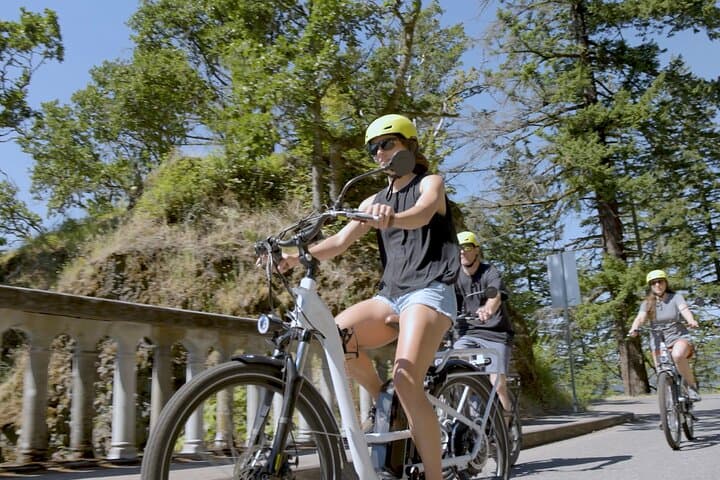
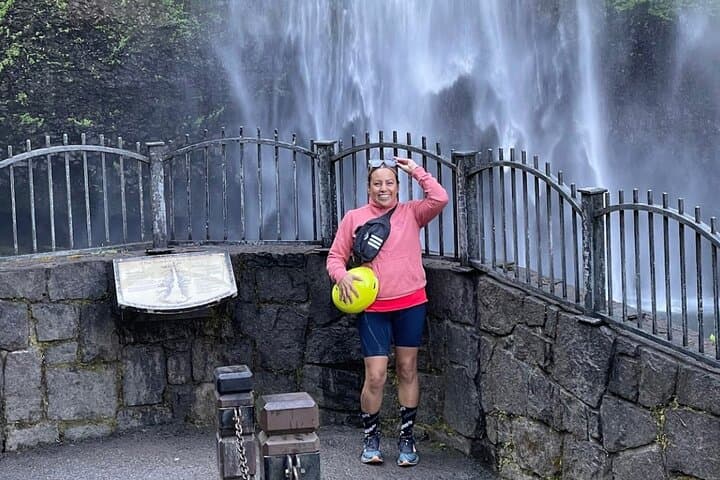
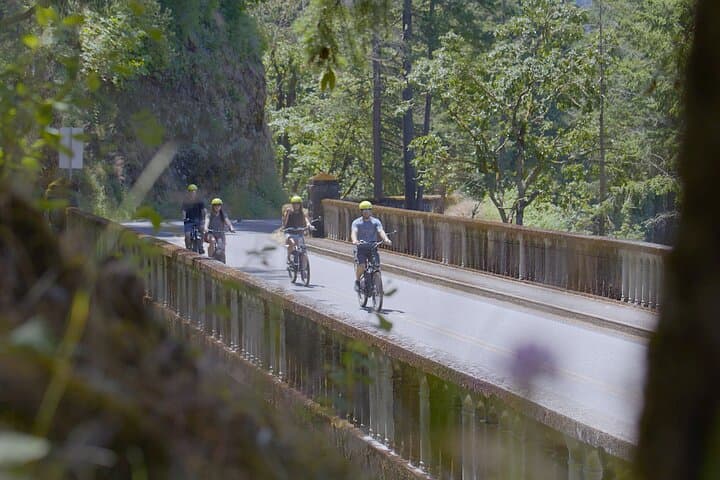
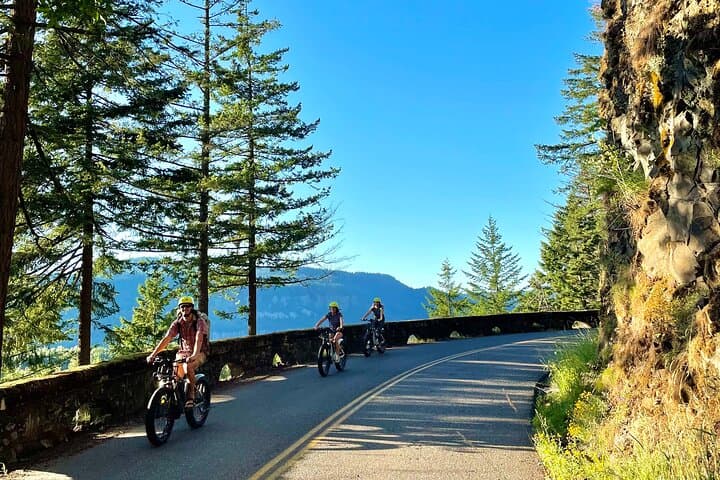
The afternoon wind off the Columbia River finds its way through the pines and pushes the dust motes across the lane as riders clip in and ease forward on electric-assist bikes. At first the ride feels casual — the highway shoulder unfurls beneath your tires, the river on your right daring you to look away — but the Gorge stages a steady sequence of dramatic reveals: horsetail falls throwing silver ribbons off basalt cliffs, plunge pools that steam in the sun, and the constant, thundering presence of Multnomah Falls itself.
The afternoon wind off the Columbia River finds its way through the pines and pushes the dust motes across the lane as riders clip in and ease forward on electric-assist bikes. At first the ride feels casual — the highway shoulder unfurls beneath your tires, the river on your right daring you to look away — but the Gorge stages a steady sequence of dramatic reveals: horsetail falls throwing silver ribbons off basalt cliffs, plunge pools that steam in the sun, and the constant, thundering presence of Multnomah Falls itself.
This self-guided half-day route runs along the Historic Columbia River Highway, a feat of early 20th-century engineering by Samuel Lancaster that stitched scenic pullouts into the landscape and set the standard for parkway design. The road traces volcanic basalt flows from ancient lava that cooled into columned cliffs; each waterfall is a geological page in the canyon’s ledger, where groundwater finds seams and drops suddenly into the Gorge.
Locals treat the corridor like a living museum: the Multnomah Falls Lodge, built in 1925, is both a rest stop and a piece of preservation history, while smaller cascades like Shepperd’s Dell and Ponytail Falls are reminders that the Gorge rewards the patient. The area also supports a tight-knit culture of climbers, kayakers and photographers who show up at dawn to find the light that makes the cliffs glow.
Practically speaking, the tour gives about 3.5 hours of rental time to hit six waterfalls and a string of short hikes. Expect roughly 18–22 miles of riding with modest cumulative climbing — the e-bike’s motor smooths the grades but you’ll still want to manage battery and pacing. Bring a charged phone for the digital route guide, water, a snack, and shoes good for muddy trail sections. Helmets, locks and a quick orientation are provided on site; the operation starts near Cascade Locks so parking or an overnight stay there or in Hood River makes logistical sense.
Timing matters: mornings are cooler and quieter, but late spring runoff makes the falls most dramatic. Swim holes exist at some spots but currents are powerful — treat them with respect. Leave no trace: the Gorge is a protected National Scenic Area and trail erosion is a persistent issue; stay on marked paths and carry out any trash.
For travelers wanting maximum payoff in minimal time, this ebike loop is efficient and sensory: it lets the water lead the story and the motor shoulder the work, so you can pause, photograph, and actually look up at the cliffs instead of counting miles.