THE ADVENTURE COLLECTIVE® · Independent discovery and booking for outdoor travel

Ride electric across the moonlike fields of Timanfaya and La Geria, stopping at the Raven Volcano and sculpted vineyards. This 3-hour e-bike loop mixes easy climbs, short crater walks and geological storytelling—ideal for travelers wanting accessible adventure in Lanzarote.
Ride electric across the moonlike fields of Timanfaya and La Geria, stopping at the Raven Volcano and sculpted vineyards. This 3-hour e-bike loop mixes easy climbs, short crater walks and geological storytelling—ideal for travelers wanting accessible adventure in Lanzarote.
The ride begins on black sand and cooled lava, the e-bike humming beneath you as the volcanic ridges of Timanfaya push the wind in ragged gusts across the route.
Verified experiences and guided adventures in the surrounding area.
Operated by Bike Lanzarote Experiences · Yaiza, Canary Islands
The ride begins on black sand and cooled lava, the e-bike humming beneath you as the volcanic ridges of Timanfaya push the wind in ragged gusts across the route.
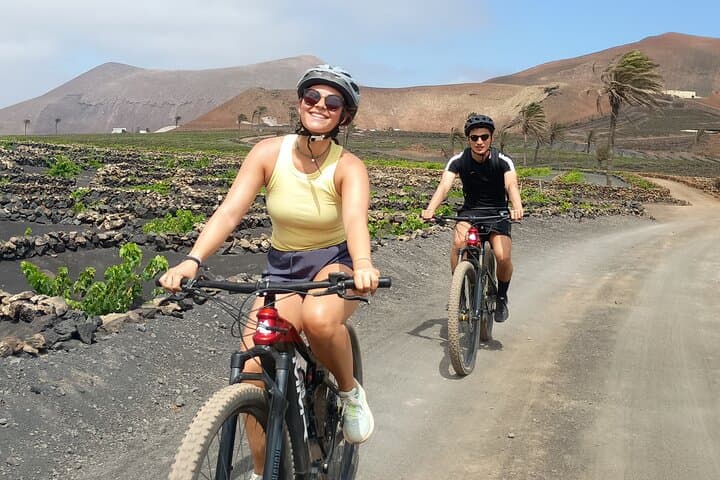
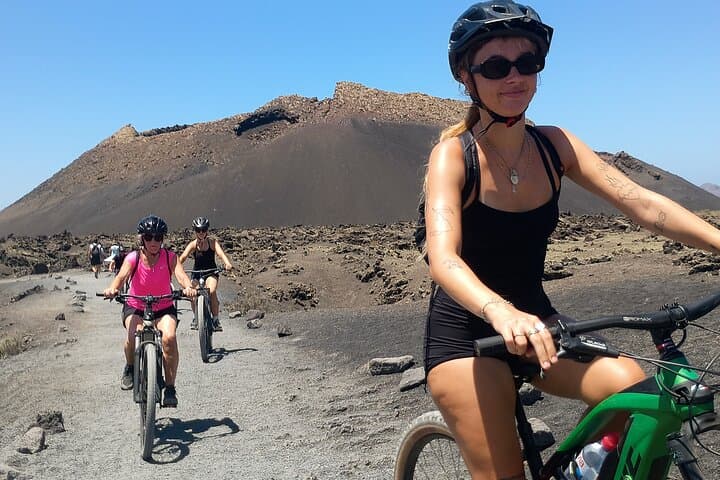
Riders move through La Geria’s sculpted vineyards—vines cradled in crescent-shaped pits—before ascending toward the Raven Volcano, where a ten-minute walk into the crater reveals the raw geometry of an 18th-century eruption. The landscape behaves like a living map: scorched fields slope into smooth pahoehoe sheets and rust-colored cinder cones rise as if sketched by fire.
Lanzarote’s geology is young and visible; the eruptions of 1730–36 reshaped the island and gave rise to the protected Volcanoes Natural Park. Human culture here adapts to scarcity—vineyard pits that catch dew, whitewashed houses clustered against the wind—and local guides weave those practices into the tour narrative.
Expect easy grades suited to electric assist and short walking stops at viewpoints and the crater rim. Photography opportunities are constant: jagged lava textures, isolated vineyards, and wide Atlantic light. The guide provides context—where the lava flowed, why the soil supports grape varieties, and how conservation limits development inside the park.
Practical notes: depart mid-morning to avoid the hottest sun, bring water and layered sun protection, and listen to briefing on e-bike range and braking on loose volcanic gravel. The loop is accessible to riders with basic cycling experience and rewards attention with close-up geology, quiet vistas, and the sharp silence that only a cooled volcanic field can hold.
easy.
3 hours.
Suitable for people with basic cycling fitness; riders should be comfortable pedaling short climbs and standing for short crater walks.
The tour is rated easy; electric assist helps on climbs and guides provide a briefing so first-time e-bike riders can participate comfortably.
Most operators include helmets and a bottle of water; confirm with the provider and bring additional fluids for hot days.
Some craters like Raven Volcano allow short, supervised walks into or along the rim; access depends on park rules and safety on the day.
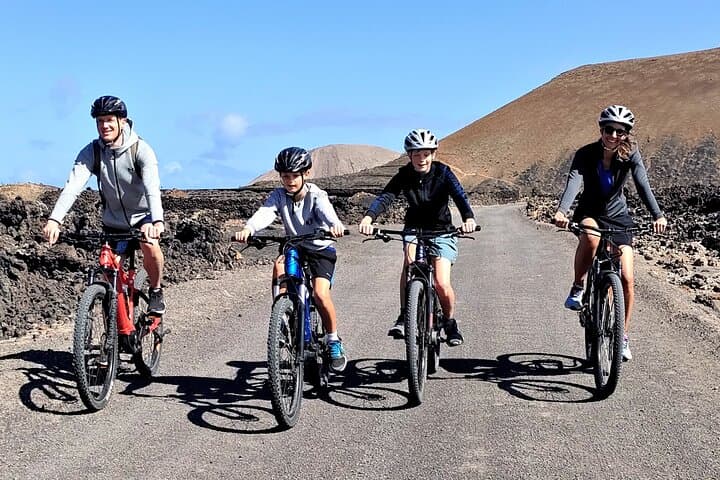
The route is designed to be accessible to a broad range of ages, but participants should be able to ride an e-bike and follow safety instructions; check height and weight limits with the operator.
The 1730–36 eruptions reshaped Lanzarote’s south and central zones; traditional agriculture and architecture evolved in response to scarce soil and frequent winds.
Timanfaya and La Geria are protected landscapes with restrictions on development and off-trail access; stay on designated paths to avoid damaging fragile crusts and rare plants.
Bike Lanzarote Experiences operates guided outdoor trips and adventures with an emphasis on safety, stewardship, and memorable experiences.
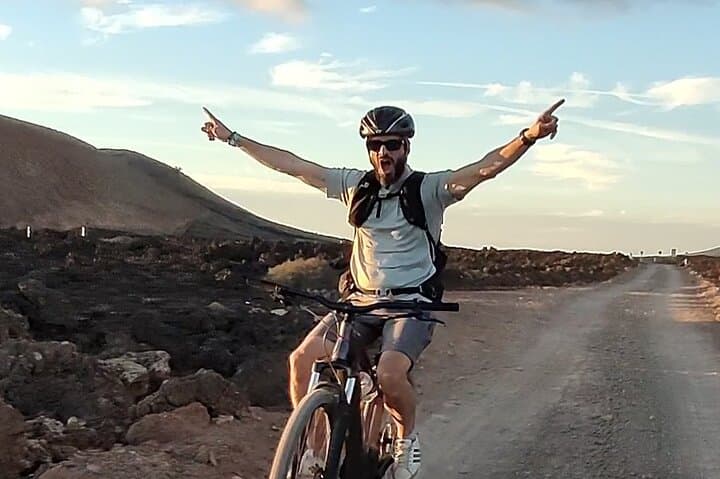
The ride begins on black sand and cooled lava, the e-bike humming beneath you as the volcanic ridges of Timanfaya push the wind in ragged gusts across the route.
The ride begins on black sand and cooled lava, the e-bike humming beneath you as the volcanic ridges of Timanfaya push the wind in ragged gusts across the route.
Riders move through La Geria’s sculpted vineyards—vines cradled in crescent-shaped pits—before ascending toward the Raven Volcano, where a ten-minute walk into the crater reveals the raw geometry of an 18th-century eruption. The landscape behaves like a living map: scorched fields slope into smooth pahoehoe sheets and rust-colored cinder cones rise as if sketched by fire.
Lanzarote’s geology is young and visible; the eruptions of 1730–36 reshaped the island and gave rise to the protected Volcanoes Natural Park. Human culture here adapts to scarcity—vineyard pits that catch dew, whitewashed houses clustered against the wind—and local guides weave those practices into the tour narrative.
Expect easy grades suited to electric assist and short walking stops at viewpoints and the crater rim. Photography opportunities are constant: jagged lava textures, isolated vineyards, and wide Atlantic light. The guide provides context—where the lava flowed, why the soil supports grape varieties, and how conservation limits development inside the park.
Practical notes: depart mid-morning to avoid the hottest sun, bring water and layered sun protection, and listen to briefing on e-bike range and braking on loose volcanic gravel. The loop is accessible to riders with basic cycling experience and rewards attention with close-up geology, quiet vistas, and the sharp silence that only a cooled volcanic field can hold.