THE ADVENTURE COLLECTIVE® · Independent discovery and booking for outdoor travel

Cycle gently through oak and chestnut woods to Lake Corbara and Titignano Castle, ending at an organic winery for a wine tasting with local platters. This 5‑hour e‑bike loop mixes easy climbs, medieval views and lakeshore wildlife.
Cycle gently through oak and chestnut woods to Lake Corbara and Titignano Castle, ending at an organic winery for a wine tasting with local platters. This 5‑hour e‑bike loop mixes easy climbs, medieval views and lakeshore wildlife.
The morning opens on quiet asphalt and shaded tracks as you push off on an electric-assisted bike, the Tiber daring you downstream while oak and chestnut woods keep the air cool. Wheel and landscape move in easy rhythm: low hills, vineyard terraces, and sudden views where a medieval tower perches above a gorge. You arrive at Lake Corbara and feel the river’s widening slow into mirror-like water; kingfishers flash, herons stand like weathered posts, and the light leans golden across olive trees.
Verified experiences and guided adventures in the surrounding area.
Operated by OrvietoBikeTour · Orvieto, Umbria
The morning opens on quiet asphalt and shaded tracks as you push off on an electric-assisted bike, the Tiber daring you downstream while oak and chestnut woods keep the air cool. Wheel and landscape move in easy rhythm: low hills, vineyard terraces, and sudden views where a medieval tower perches above a gorge. You arrive at Lake Corbara and feel the river’s widening slow into mirror-like water; kingfishers flash, herons stand like weathered posts, and the light leans golden across olive trees.
This corridor of Umbria carries layers of history — Roman and medieval roads, castles built to watch the Tiber’s passage, and farming practices that shaped terraces and vineyards for centuries. Geology here is limestone and clay; the karst relief creates ridges and sweeping drainage that the Tiber exploited to form Corbara. Culture centers on small hamlets, family-run wineries and food traditions: bruschetta, cured meats, local pecorino and organic wines that reflect sun-drenched slopes.
Practical guidance: expect a 5‑hour loop on mixed surfaces — quiet secondary roads, farm tracks and short gravel sections — roughly 20–25 km with a few hundred meters of cumulative climbing on gentle grades suitable for most riders thanks to e‑assistance. The itinerary includes two medieval castles, a ghost village viewpoint, and the Freddano organic estate for a cellar tour and tasting paired with local platters. Bring water, a light jacket for breezy ridgelines, and shoes with some tread. Plan tastings for after the ride or rely on your guide’s schedule; cancellations for bad weather are common in shoulder seasons. This ride mixes soft adventure, cultural stops, and a clear sense of place — a practical, sensory way to explore Umbrian hills.
easy.
5 hours.
Suitable for riders with basic cycling fitness; e‑assistance handles climbs but expect some pedaling on short slopes.
The tour is rated easy; e‑assisted bikes reduce effort on climbs, but participants should be comfortable pedaling for a few hours and able to mount/dismount a bike.
The tasting at Freddano estate is included; if you drive afterwards, stagger tastings and consider a non‑driving companion or local transport options.
Helmets are typically provided and bikes are sanitised; confirm with the operator for sizes and any additional protective gear like gloves or a balaclava.
Expect quiet paved country roads, short gravel farm tracks and some cobbled/stone stretches near villages; e‑bikes handle these but a steady balance is needed.
The area around Lake Corbara reflects medieval strategic settlements and agricultural terraces; many small castles were built to control Tiber crossings and trade routes.
Local estates favour organic viticulture and low‑input olive growing; visitors are encouraged to stay on tracks, avoid disturbing nesting birds, and support estate‑led waste reduction and tasting practices.
OrvietoBikeTour operates guided outdoor trips and adventures with an emphasis on safety, stewardship, and memorable experiences.
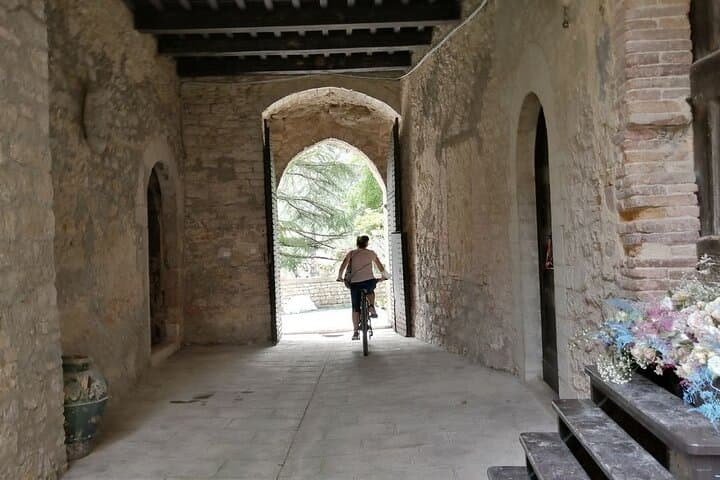
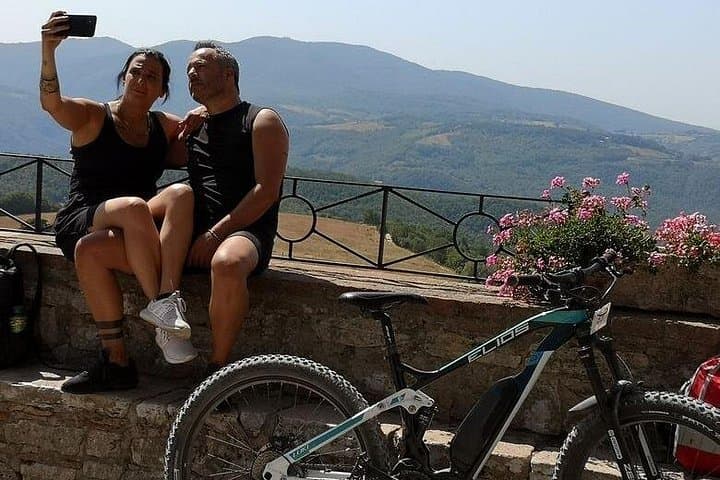
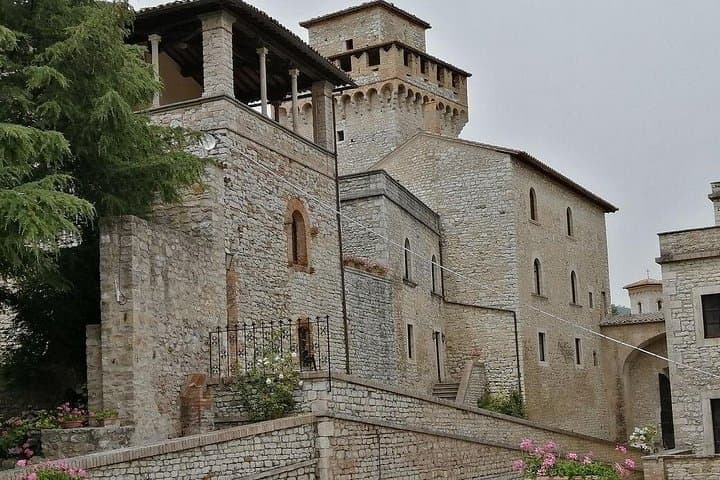
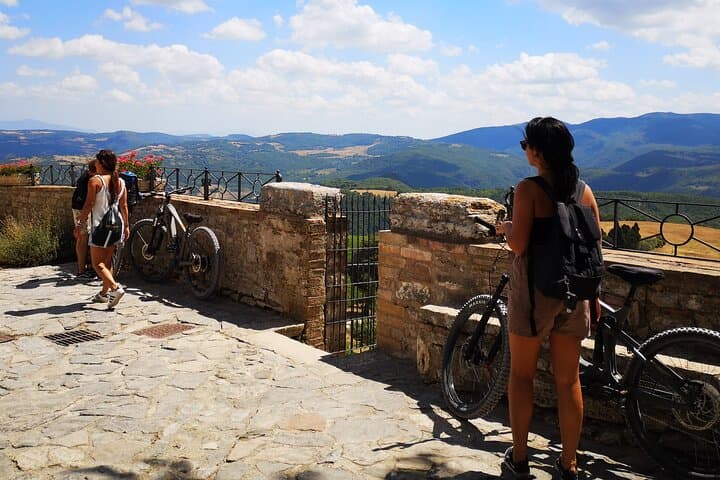
The morning opens on quiet asphalt and shaded tracks as you push off on an electric-assisted bike, the Tiber daring you downstream while oak and chestnut woods keep the air cool. Wheel and landscape move in easy rhythm: low hills, vineyard terraces, and sudden views where a medieval tower perches above a gorge. You arrive at Lake Corbara and feel the river’s widening slow into mirror-like water; kingfishers flash, herons stand like weathered posts, and the light leans golden across olive trees.
The morning opens on quiet asphalt and shaded tracks as you push off on an electric-assisted bike, the Tiber daring you downstream while oak and chestnut woods keep the air cool. Wheel and landscape move in easy rhythm: low hills, vineyard terraces, and sudden views where a medieval tower perches above a gorge. You arrive at Lake Corbara and feel the river’s widening slow into mirror-like water; kingfishers flash, herons stand like weathered posts, and the light leans golden across olive trees.
This corridor of Umbria carries layers of history — Roman and medieval roads, castles built to watch the Tiber’s passage, and farming practices that shaped terraces and vineyards for centuries. Geology here is limestone and clay; the karst relief creates ridges and sweeping drainage that the Tiber exploited to form Corbara. Culture centers on small hamlets, family-run wineries and food traditions: bruschetta, cured meats, local pecorino and organic wines that reflect sun-drenched slopes.
Practical guidance: expect a 5‑hour loop on mixed surfaces — quiet secondary roads, farm tracks and short gravel sections — roughly 20–25 km with a few hundred meters of cumulative climbing on gentle grades suitable for most riders thanks to e‑assistance. The itinerary includes two medieval castles, a ghost village viewpoint, and the Freddano organic estate for a cellar tour and tasting paired with local platters. Bring water, a light jacket for breezy ridgelines, and shoes with some tread. Plan tastings for after the ride or rely on your guide’s schedule; cancellations for bad weather are common in shoulder seasons. This ride mixes soft adventure, cultural stops, and a clear sense of place — a practical, sensory way to explore Umbrian hills.