THE ADVENTURE COLLECTIVE® · Independent discovery and booking for outdoor travel

Explore Hidra’s coastal roads and low granite cliffs by electric bike. This 3-hour guided ride combines scenic viewpoints, local history, and gentle climbs made easy with pedal-assist—ideal for travelers wanting maximum sight-seeing with minimal strain.
Explore Hidra’s coastal roads and low granite cliffs by electric bike. This 3-hour guided ride combines scenic viewpoints, local history, and gentle climbs made easy with pedal-assist—ideal for travelers wanting maximum sight-seeing with minimal strain.
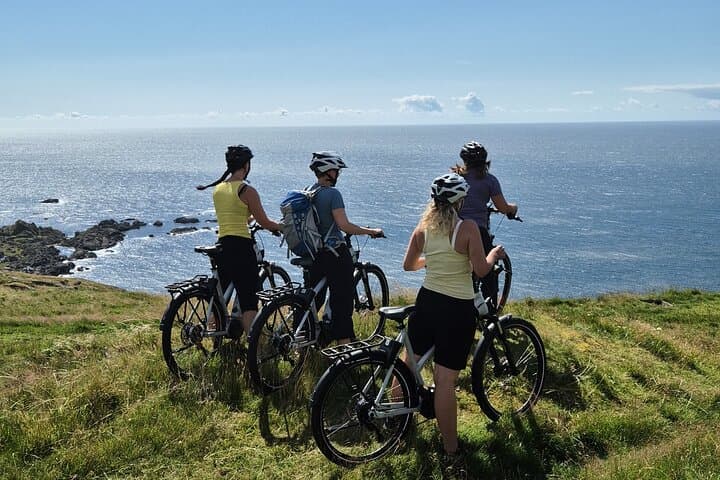
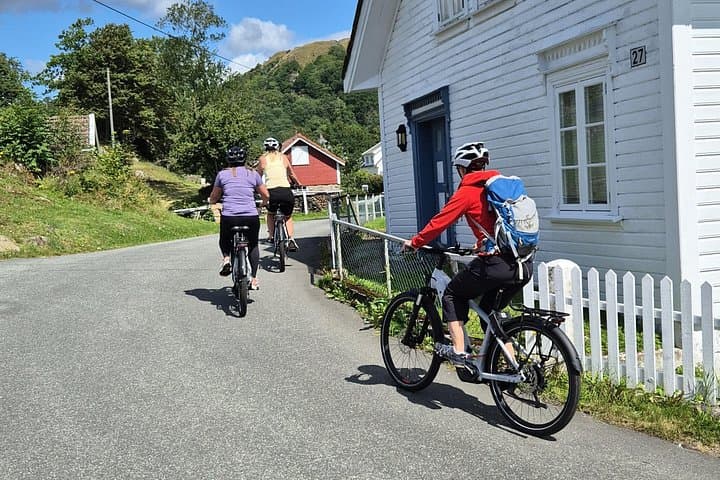
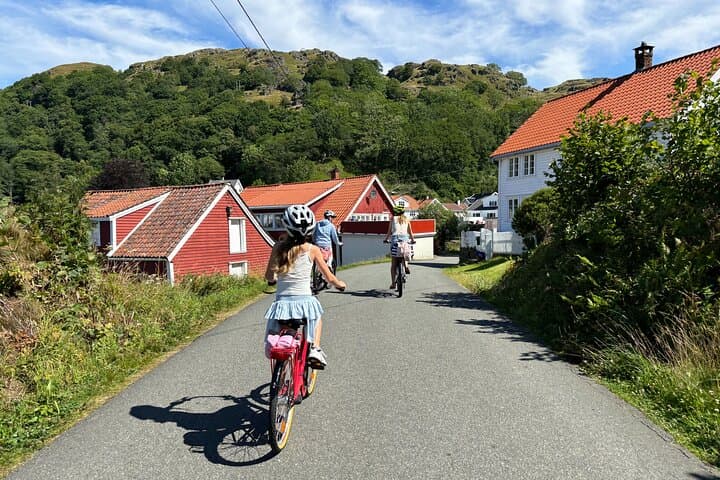
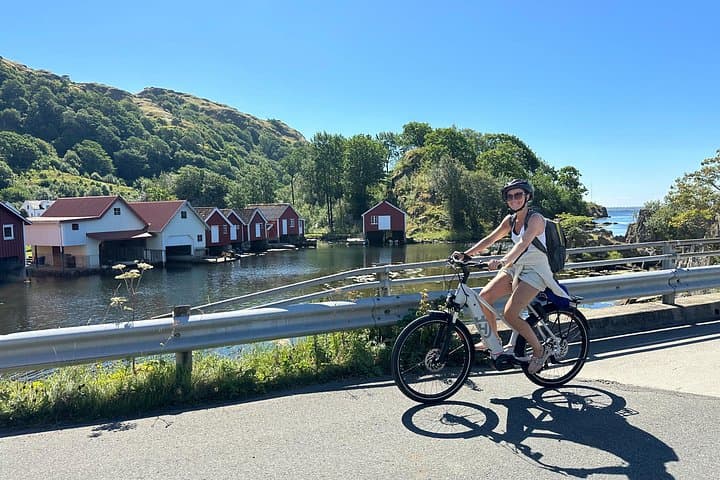
You roll off the ferry and the wind immediately carries salt and pine; the island’s granite ribs rise low and smooth, roads thread between red boathouses and open sea. An electric bike makes those hills conversational—little bursts of power that let you pause where the view insists you stay.
Verified experiences and guided adventures in the surrounding area.
Operated by Opplev Hidra · Flekkefjord, Agder
You roll off the ferry and the wind immediately carries salt and pine; the island’s granite ribs rise low and smooth, roads thread between red boathouses and open sea. An electric bike makes those hills conversational—little bursts of power that let you pause where the view insists you stay.
Hidra’s coastline has been shaped by ice and sea: glacial-smoothed bedrock, sheltered coves, and a network of narrow lanes that once served fishing families and coastal traders. The island’s small communities preserved a maritime culture—wooden boats, lighthouses, and stories of seasonal cod runs—that a guide can point out as you pass. Geology is obvious here: dark, exposed gneiss and weathered cliffs give way to wind-swept heather and pockets of birch woodland.
On an e-bike tour you move fast enough to cover views but slow enough to take them in. Expect short bursts on quiet asphalt and coastal gravel, stops at headlands for panoramas, and a picnic made from local ingredients. Guides usually share historical anecdotes—smuggling tales, wartime watch posts—and point out bird colonies and seal haul-outs visible from shore.
Practical edge: bring layered clothing, a charged phone, and footwear with grip—some lanes are uneven and can be slick after rain. Ferry schedules and daylight vary by season; tours run about three hours and suit most fitness levels because the motor assists on the climbs. Hydrate, follow your guide’s safety briefing, and leave nothing behind but footprints and a longer memory of Norway’s southern coast.
easy.
3 hours.
Suitable for most fitness levels; e-assist handles climbs, but riders should be comfortable on a bike for several miles.
Guided tours run about three hours and typically cover 8–15 kilometers depending on stops and group pace.
No—tours are suitable for beginners; guides give a quick orientation and the motor helps on climbs.
Most operators include helmets and a simple local sandwich plus bottled water—confirm at booking for specifics.
Most visitors travel via Flekkefjord on the mainland; local ferries or a short boat transfer connect to Hidra—check local ferry timetables.
Hidra’s communities grew from fishing and coastal trade; small harbors and wartime lookouts mark its maritime past.
The island’s fragile coastal vegetation is easily damaged—stick to roads and paths, avoid trampling heather, and carry out all waste.
Opplev Hidra operates guided outdoor trips and adventures with an emphasis on safety, stewardship, and memorable experiences.
You roll off the ferry and the wind immediately carries salt and pine; the island’s granite ribs rise low and smooth, roads thread between red boathouses and open sea. An electric bike makes those hills conversational—little bursts of power that let you pause where the view insists you stay.
You roll off the ferry and the wind immediately carries salt and pine; the island’s granite ribs rise low and smooth, roads thread between red boathouses and open sea. An electric bike makes those hills conversational—little bursts of power that let you pause where the view insists you stay.
Hidra’s coastline has been shaped by ice and sea: glacial-smoothed bedrock, sheltered coves, and a network of narrow lanes that once served fishing families and coastal traders. The island’s small communities preserved a maritime culture—wooden boats, lighthouses, and stories of seasonal cod runs—that a guide can point out as you pass. Geology is obvious here: dark, exposed gneiss and weathered cliffs give way to wind-swept heather and pockets of birch woodland.
On an e-bike tour you move fast enough to cover views but slow enough to take them in. Expect short bursts on quiet asphalt and coastal gravel, stops at headlands for panoramas, and a picnic made from local ingredients. Guides usually share historical anecdotes—smuggling tales, wartime watch posts—and point out bird colonies and seal haul-outs visible from shore.
Practical edge: bring layered clothing, a charged phone, and footwear with grip—some lanes are uneven and can be slick after rain. Ferry schedules and daylight vary by season; tours run about three hours and suit most fitness levels because the motor assists on the climbs. Hydrate, follow your guide’s safety briefing, and leave nothing behind but footprints and a longer memory of Norway’s southern coast.