THE ADVENTURE COLLECTIVE® · Independent discovery and booking for outdoor travel

Ride electric through the High Atlas from Marrakech: farm tracks, Berber villages, waterfalls and a picnic in a mountain house. This full-day e-bike loop mixes cultural stops and varied terrain suitable for riders with moderate fitness.
Ride electric through the High Atlas from Marrakech: farm tracks, Berber villages, waterfalls and a picnic in a mountain house. This full-day e-bike loop mixes cultural stops and varied terrain suitable for riders with moderate fitness.
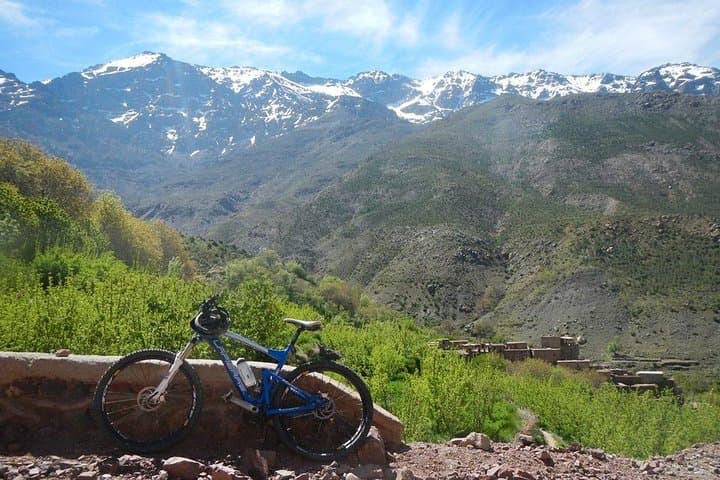
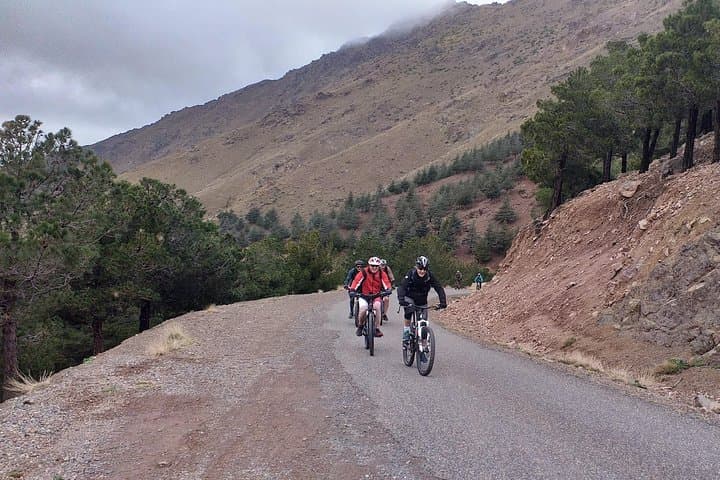
A morning drive out of Marrakech drops you into a different rhythm: stone terraces, Berber villages perched on sun-baked slopes and a ribbon of singletrack that dares you to keep up. Riders meet their guide near Imlil and, after a quick bike check, climb onto quiet mule tracks and rocky farm lanes. The air sharpens with altitude; the High Atlas itself feels tactile—folded volcanic and sedimentary ridges carved by centuries of winter runoff.
Verified experiences and guided adventures in the surrounding area.
Operated by Mountain Bike Morocco · Imlil, Marrakech-Safi
A morning drive out of Marrakech drops you into a different rhythm: stone terraces, Berber villages perched on sun-baked slopes and a ribbon of singletrack that dares you to keep up. Riders meet their guide near Imlil and, after a quick bike check, climb onto quiet mule tracks and rocky farm lanes. The air sharpens with altitude; the High Atlas itself feels tactile—folded volcanic and sedimentary ridges carved by centuries of winter runoff.
This one-day e-bike route threads local culture and geology. The valleys here have fed Berber communities for generations; terraces and irrigation channels (khettaras) trace land use back hundreds of years. Peaks nearby are part of the Atlas range, made of folded Precambrian and Mesozoic rock, where seasonal streams cut narrow ravines and small waterfalls show after winter rains.
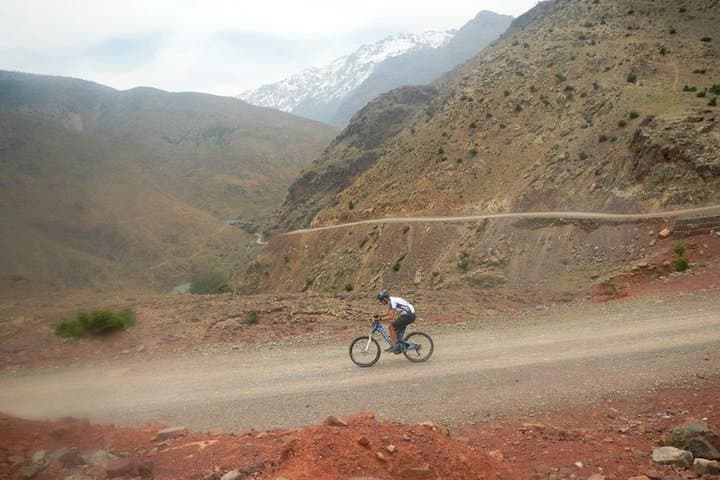
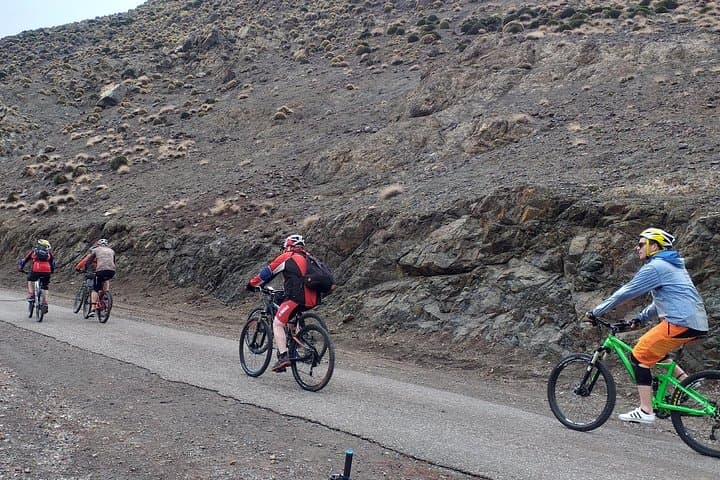
Expect mixed terrain: compact dirt, loose scree, short steep pitches and sweeping descents. Typical route length is about 30–40 km with roughly 600–800 m of cumulative ascent, paced over 5–6 hours including a picnic in a Berber home. The e-assist levels make climbs accessible, but basic bike-handling and a moderate fitness level help you enjoy technical sections and rapid descents.
Practical tips: charge devices and the bike before you leave Marrakech, bring layered clothing for variable mountain sun and wind, carry 2–3 liters of water, and wear a sturdy shoe with some tread. Respect local customs in villages—ask before photographing people—and follow your guide’s advice on line choice. By late afternoon you’re back in Marrakech with new views and a clearer sense of the Atlas’ scale.
moderate.
5–6 hours.
Moderate cardio fitness; able to handle several sustained climbs and 30–40 km on varied terrain.
Typical full-day itineraries cover about 30–40 km with 600–800 m total ascent; e-assist lowers effort but expect a moderate challenge on steeper climbs.
Yes—private round-trip transportation from central Marrakech is commonly included; confirm pickup details at booking.
Riders with basic cycling skills and moderate fitness can join thanks to e-assist, but the tour is not suitable for complete novices who cannot handle uneven terrain.
Standard inclusions are private transport, bike and helmet, bottled water, snacks, lunch (often a picnic or Berber house meal), and a local guide.
The High Atlas has been home to Amazigh (Berber) communities for centuries; terraces and irrigation techniques reflect traditional mountain farming practices.
Ride with minimal footprint: stay on designated tracks, avoid littering in villages and pack out any waste to protect fragile mountain soils and water sources.
Mountain Bike Morocco operates guided outdoor trips and adventures with an emphasis on safety, stewardship, and memorable experiences.
A morning drive out of Marrakech drops you into a different rhythm: stone terraces, Berber villages perched on sun-baked slopes and a ribbon of singletrack that dares you to keep up. Riders meet their guide near Imlil and, after a quick bike check, climb onto quiet mule tracks and rocky farm lanes. The air sharpens with altitude; the High Atlas itself feels tactile—folded volcanic and sedimentary ridges carved by centuries of winter runoff.
A morning drive out of Marrakech drops you into a different rhythm: stone terraces, Berber villages perched on sun-baked slopes and a ribbon of singletrack that dares you to keep up. Riders meet their guide near Imlil and, after a quick bike check, climb onto quiet mule tracks and rocky farm lanes. The air sharpens with altitude; the High Atlas itself feels tactile—folded volcanic and sedimentary ridges carved by centuries of winter runoff.
This one-day e-bike route threads local culture and geology. The valleys here have fed Berber communities for generations; terraces and irrigation channels (khettaras) trace land use back hundreds of years. Peaks nearby are part of the Atlas range, made of folded Precambrian and Mesozoic rock, where seasonal streams cut narrow ravines and small waterfalls show after winter rains.
Expect mixed terrain: compact dirt, loose scree, short steep pitches and sweeping descents. Typical route length is about 30–40 km with roughly 600–800 m of cumulative ascent, paced over 5–6 hours including a picnic in a Berber home. The e-assist levels make climbs accessible, but basic bike-handling and a moderate fitness level help you enjoy technical sections and rapid descents.
Practical tips: charge devices and the bike before you leave Marrakech, bring layered clothing for variable mountain sun and wind, carry 2–3 liters of water, and wear a sturdy shoe with some tread. Respect local customs in villages—ask before photographing people—and follow your guide’s advice on line choice. By late afternoon you’re back in Marrakech with new views and a clearer sense of the Atlas’ scale.