THE ADVENTURE COLLECTIVE® · Independent discovery and booking for outdoor travel

Ride the rim of an active volcano on a full-day e-bike loop of Sakurajima. Expect lava fields, a buried torii, island lore, and an accessible but energized six-hour outing from Kagoshima.
Ride the rim of an active volcano on a full-day e-bike loop of Sakurajima. Expect lava fields, a buried torii, island lore, and an accessible but energized six-hour outing from Kagoshima.
You step off the ferry into a breeze that tastes faintly of minerals and pine—Sakurajima’s volcanic breath moving through a ring of black lava and green scrub. The e-bike hums beneath you, a steady companion as the guide slips into local stories and points out the thin grey dust that carpets roofs after recent eruptions.
Verified experiences and guided adventures in the surrounding area.
Operated by Volcano Life Journey · Kagoshima, Kagoshima Prefecture
You step off the ferry into a breeze that tastes faintly of minerals and pine—Sakurajima’s volcanic breath moving through a ring of black lava and green scrub. The e-bike hums beneath you, a steady companion as the guide slips into local stories and points out the thin grey dust that carpets roofs after recent eruptions.
Geology here is immediate: Sakurajima rises from the Aira Caldera and is one of Japan’s most active volcanoes. The island’s 1914 eruption reshaped the coastline and left half-buried shrines and wide swathes of pahoehoe-like lava that now host tenacious grasses. Culture on Sakurajima reflects that history—villages build ash-resistant roofs and farmers prune citrus groves to survive the fall of pumice.
The six-hour loop uses quiet coastal roads and short service tracks to move you between viewpoints: the half-submerged torii, lava fields laced with scrub, and a disaster-information center that explains living with regular eruptions. Expect repeated short stops for photos and interpretation, plus a one-hour lunch break (operator provides a seasonal boxed lunch; declare allergies in advance).
Practical edge: e-bikes flatten many climbs but still demand attention—ash makes surfaces gritty and some sections are narrow with agricultural traffic. Start early for cooler winds off Kinko Bay, bring layered protection from sun and sudden showers, and carry extra water and a charged phone. The guide handles route-finding and local context; you bring steady pedaling and respect for a landscape that feels as alive as any person.
moderate.
6 hours.
Good cardiovascular fitness and leg strength recommended—e-bike assists but the pace and multiple stops require stamina.
No advanced experience is required, but you should be comfortable riding on public roads and handling an e-bike at urban and rural speeds.
Yes—e-bike and helmet are included; bring your own preferred gloves or pedals if you want extra comfort.
Lunch is provided and can often be adjusted for common allergies or vegetarian requests if notified in advance at booking.
Operators monitor volcanic advisories and infrastructure; tours may be modified or canceled for safety with refunds per the cancellation policy.
Sakurajima is part of the larger Aira Caldera system; its 1914 Taisho eruption dramatically reshaped the island and local livelihoods.
Ashfall and tourism pressure require riders to stay on routes, pack out waste, and avoid disturbing fragile pioneer vegetation on recent lava flows.
Volcano Life Journey operates guided outdoor trips and adventures with an emphasis on safety, stewardship, and memorable experiences.
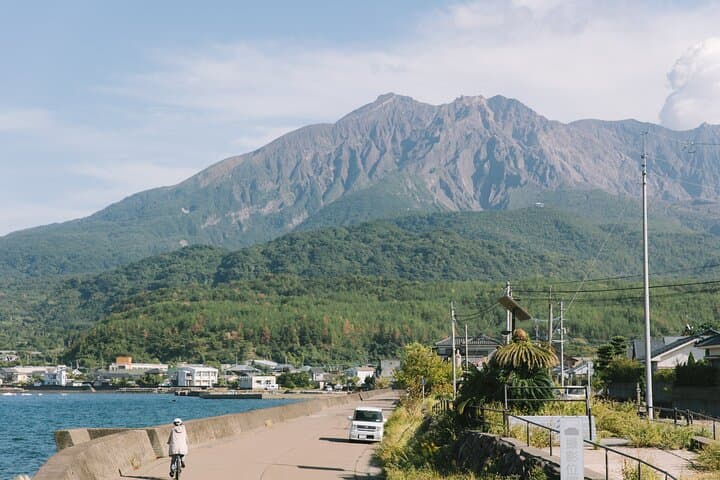
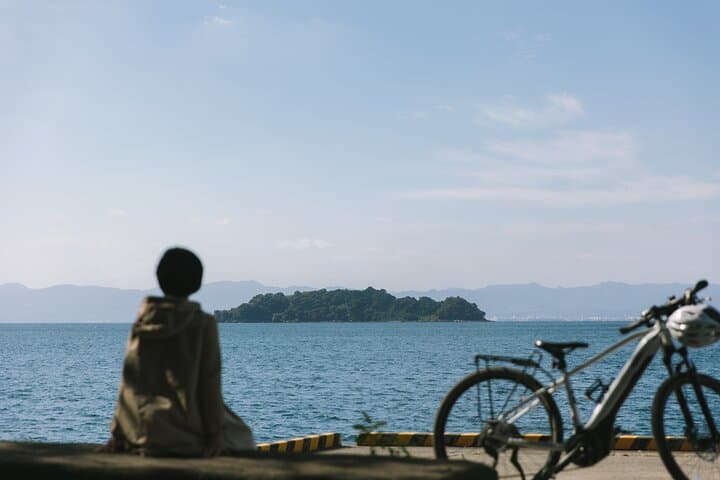
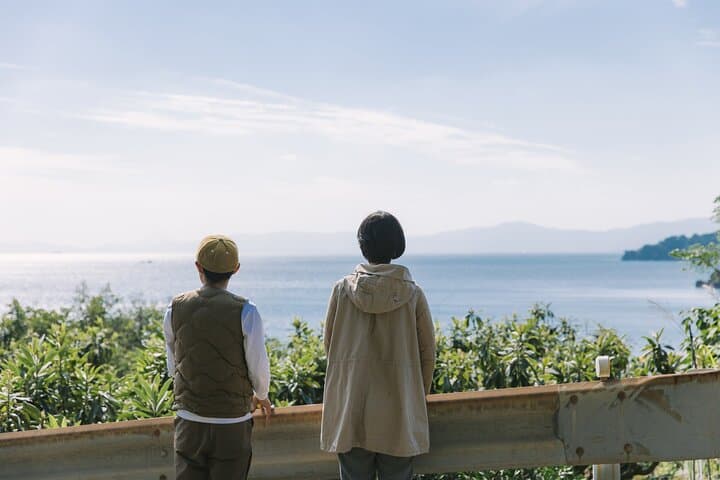
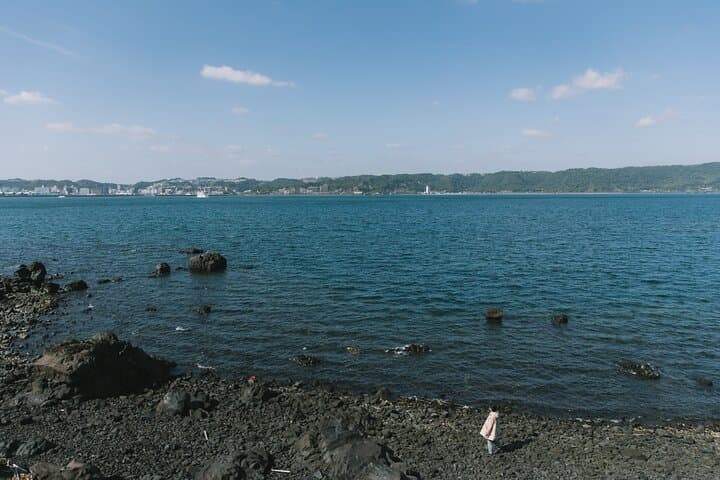
You step off the ferry into a breeze that tastes faintly of minerals and pine—Sakurajima’s volcanic breath moving through a ring of black lava and green scrub. The e-bike hums beneath you, a steady companion as the guide slips into local stories and points out the thin grey dust that carpets roofs after recent eruptions.
You step off the ferry into a breeze that tastes faintly of minerals and pine—Sakurajima’s volcanic breath moving through a ring of black lava and green scrub. The e-bike hums beneath you, a steady companion as the guide slips into local stories and points out the thin grey dust that carpets roofs after recent eruptions.
Geology here is immediate: Sakurajima rises from the Aira Caldera and is one of Japan’s most active volcanoes. The island’s 1914 eruption reshaped the coastline and left half-buried shrines and wide swathes of pahoehoe-like lava that now host tenacious grasses. Culture on Sakurajima reflects that history—villages build ash-resistant roofs and farmers prune citrus groves to survive the fall of pumice.
The six-hour loop uses quiet coastal roads and short service tracks to move you between viewpoints: the half-submerged torii, lava fields laced with scrub, and a disaster-information center that explains living with regular eruptions. Expect repeated short stops for photos and interpretation, plus a one-hour lunch break (operator provides a seasonal boxed lunch; declare allergies in advance).
Practical edge: e-bikes flatten many climbs but still demand attention—ash makes surfaces gritty and some sections are narrow with agricultural traffic. Start early for cooler winds off Kinko Bay, bring layered protection from sun and sudden showers, and carry extra water and a charged phone. The guide handles route-finding and local context; you bring steady pedaling and respect for a landscape that feels as alive as any person.