THE ADVENTURE COLLECTIVE® · Independent discovery and booking for outdoor travel

Ride an e-bike through Cotopaxi National Park’s north entrance to quieter trails and high-altitude panoramas. This private 6–8 hour tour reaches the shelter and offers the option to walk above 4,650 m for panoramic views.
Ride an e-bike through Cotopaxi National Park’s north entrance to quieter trails and high-altitude panoramas. This private 6–8 hour tour reaches the shelter and offers the option to walk above 4,650 m for panoramic views.
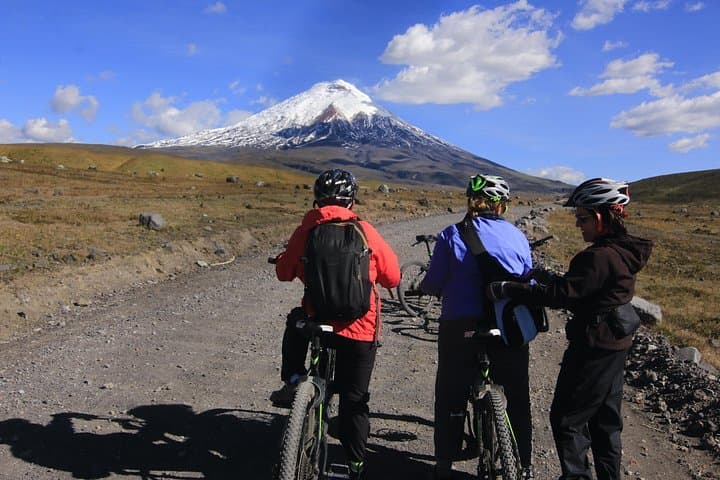
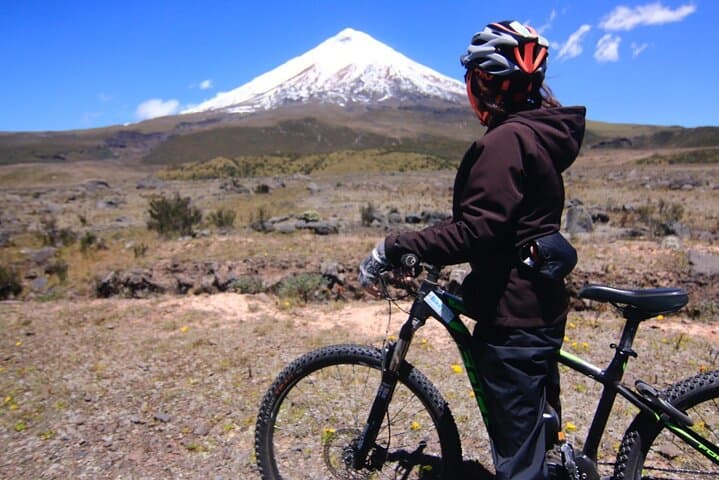
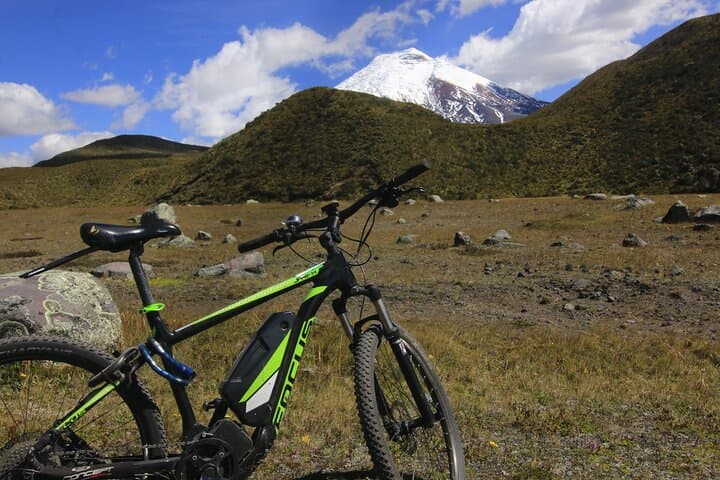
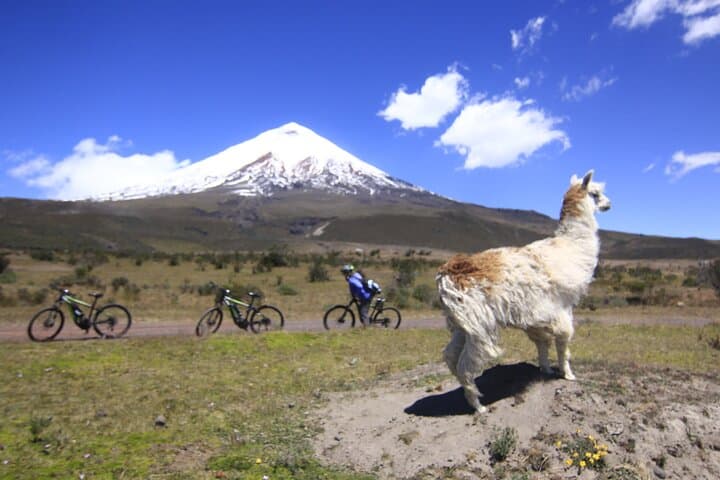
A cold wind meets the tires before the volcano does — you push off from the park road and Cotopaxi looms, broad and blanketed in snow, daring you to close the distance. The e-bike carries momentum where lungs protest, and the pumice-strewn high plain opens in wide, raw views as you climb toward the refuge and, if conditions allow, the upper parking at 4,650 meters.
Verified experiences and guided adventures in the surrounding area.
Operated by Jose Luis Rodriguez · Latacunga, Cotopaxi
A cold wind meets the tires before the volcano does — you push off from the park road and Cotopaxi looms, broad and blanketed in snow, daring you to close the distance. The e-bike carries momentum where lungs protest, and the pumice-strewn high plain opens in wide, raw views as you climb toward the refuge and, if conditions allow, the upper parking at 4,650 meters.
Cotopaxi is one of the world’s highest active stratovolcanoes; its frequent eruptions and glacial cap shaped the surrounding páramo and left ridgelines of volcanic rock that the trail crosses. Entering through the north gate takes you onto quieter tracks and pastoral highlands used historically by indigenous communities for grazing and ceremonial routes to the summit.
The ride alternates gravel service roads and compacted volcanic dirt — expect rocky sections and short steep pitches where you’ll pedal assisted or walk. Wildlife watches from a distance: condors spiral on thermals and horses wander the pampa. The shelter (refugio) and higher parking are staging points for hikers who press on to 4,860 m on foot; altitude is the real challenge, not the bike.
Practical: acclimatize in Quito or Latacunga, hydrate well, and plan for swift weather swings — morning clarity can give way to clouds and sleet by afternoon. Bring layered clothing, a charged phone and basic repair kit, and allow 6–8 hours round trip including transport. Respect park rules, stay on marked tracks, and conserve energy for short, steep stretches where you may need to walk the bike.
challenging.
6–8 hours.
Should have good cardiovascular fitness and some high-altitude experience; expect walking short uphill sections above 4,600 m.
No expert experience required; basic cycling skills and comfort on gravel are sufficient — guides provide orientation and support.
Altitude can affect anyone; symptoms range from mild headaches to nausea — acclimatize, hydrate, and descend if symptoms worsen.
This is offered as a private tour; pickup is available if you’re on the operator’s route — confirm details at booking.
Not recommended for pregnant travelers; infants must sit on laps and specialized seats may be available — check age and weight restrictions with the operator.
Cotopaxi’s repeated eruptions have shaped local highlands and play a role in indigenous cosmovision; the park was established to protect the volcano’s glaciers and ecosystems.
Cotopaxi National Park is protected; stay on designated tracks, pack out waste, and avoid disturbing wildlife to limit impact.
Jose Luis Rodriguez operates guided outdoor trips and adventures with an emphasis on safety, stewardship, and memorable experiences.
A cold wind meets the tires before the volcano does — you push off from the park road and Cotopaxi looms, broad and blanketed in snow, daring you to close the distance. The e-bike carries momentum where lungs protest, and the pumice-strewn high plain opens in wide, raw views as you climb toward the refuge and, if conditions allow, the upper parking at 4,650 meters.
A cold wind meets the tires before the volcano does — you push off from the park road and Cotopaxi looms, broad and blanketed in snow, daring you to close the distance. The e-bike carries momentum where lungs protest, and the pumice-strewn high plain opens in wide, raw views as you climb toward the refuge and, if conditions allow, the upper parking at 4,650 meters.
Cotopaxi is one of the world’s highest active stratovolcanoes; its frequent eruptions and glacial cap shaped the surrounding páramo and left ridgelines of volcanic rock that the trail crosses. Entering through the north gate takes you onto quieter tracks and pastoral highlands used historically by indigenous communities for grazing and ceremonial routes to the summit.
The ride alternates gravel service roads and compacted volcanic dirt — expect rocky sections and short steep pitches where you’ll pedal assisted or walk. Wildlife watches from a distance: condors spiral on thermals and horses wander the pampa. The shelter (refugio) and higher parking are staging points for hikers who press on to 4,860 m on foot; altitude is the real challenge, not the bike.
Practical: acclimatize in Quito or Latacunga, hydrate well, and plan for swift weather swings — morning clarity can give way to clouds and sleet by afternoon. Bring layered clothing, a charged phone and basic repair kit, and allow 6–8 hours round trip including transport. Respect park rules, stay on marked tracks, and conserve energy for short, steep stretches where you may need to walk the bike.