THE ADVENTURE COLLECTIVE® · Independent discovery and booking for outdoor travel

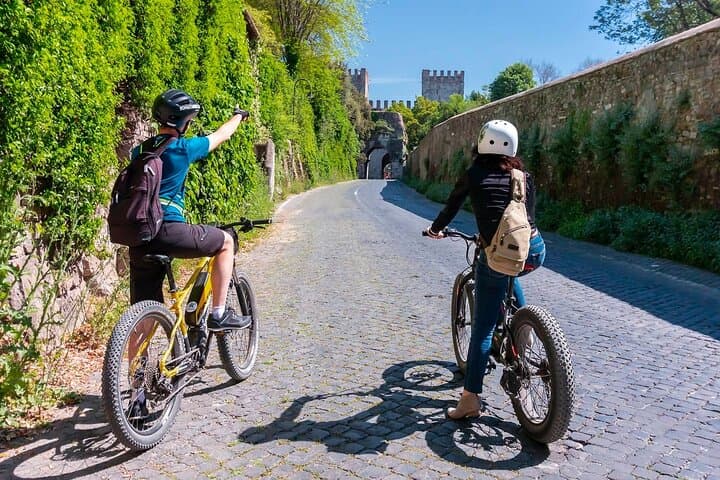
Ride an electric bike along the ancient Via Appia Antica and pass mausoleums, aqueducts, catacombs and Roman villas on a three‑hour self‑guided tour. Practical audio guidance and an interactive map let you explore at your own pace while avoiding city traffic.
Ride an electric bike along the ancient Via Appia Antica and pass mausoleums, aqueducts, catacombs and Roman villas on a three‑hour self‑guided tour. Practical audio guidance and an interactive map let you explore at your own pace while avoiding city traffic.
The road opens under a pale Roman sky, cobbles humming beneath electric assist as pines and low scrub lean into the wind. You leave the city noise behind and follow the Appian Way, where emperors once marched and stones still hold graffiti from two millennia ago.
Verified experiences and guided adventures in the surrounding area.
Operated by Sly e-bike · Rome, Lazio
The road opens under a pale Roman sky, cobbles humming beneath electric assist as pines and low scrub lean into the wind. You leave the city noise behind and follow the Appian Way, where emperors once marched and stones still hold graffiti from two millennia ago.
This route—La Via Appia Antica—was laid in 312 BCE as a strategic artery connecting Rome to the south. Along three hours of mostly flat, mixed-surface riding you pass the Mausoleum of Cecilia Metella, the Villa of Maxentius, catacombs carved in tufa, and the Parco degli Acquedotti where arches of the aqueducts frame the sky like deliberate architecture. Geologically, the road cuts across volcanic tuff and alluvial terraces; the soft stone made tomb carving easy and gives the landscape its pale, warm tones.
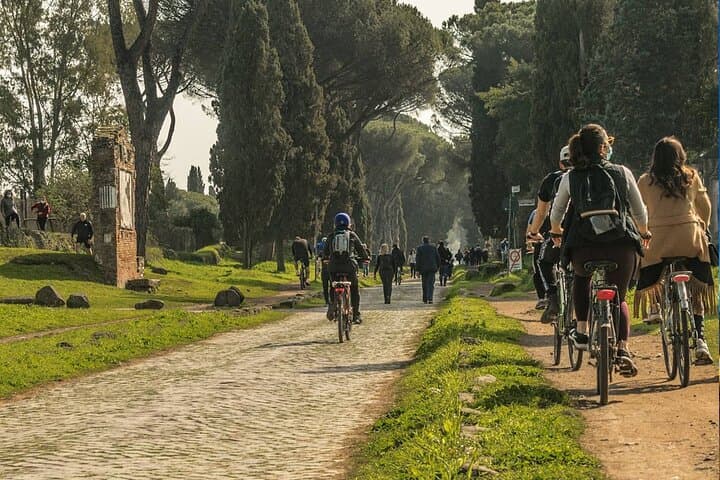
Culturally the Appia is both pilgrimage and picnic ground: local joggers, shepherding olive trees, and tour groups share the long sightlines. The supplied audio guide brings these monuments to life with concise context and anecdotes so you understand what you’re seeing without slowing the ride.
Practical guidance: expect compacted dirt, occasional loose cobbles, and short paved sections. Use the navigator supplied, keep battery and phone charged, and plan a mid-ride stop at the Parco degli Acquedotti for shade and photos. Morning or late afternoon rides avoid Rome’s heat and give softer light on stone. Bring water, closed-toe shoes, and a light layer—the Roman breeze can change fast. This tour balances effortless speed with deep, walk-through history; it’s an efficient, sensory way to experience one of the world’s oldest roads.
easy.
3 hours.
Suitable for riders with basic fitness; e‑assist handles hills so minimal exertion is required but you should be comfortable balancing on mixed surfaces.
Yes; the e‑bikes provide pedal assist and the route is designed to be easy, though basic bike-handling on mixed surfaces is helpful.
Yes, helmets and specialized infant seats are typically available from the provider—confirm at booking and during pickup.
The tour is self‑guided so you can pause to explore points of interest, though some monuments have separate entry fees or restricted access.
This experience generally runs in light rain, but refunds are available if you cancel at least 24 hours before departure per the provider policy.
The Via Appia was Rome’s main consular road from the Republican era and lined with tombs and villas that showcased status and memory outside the city walls.
The Appian Way is part archaeological park and part urban green space; stick to paths, avoid touching ruins, and use provided waste disposal points to minimize impact.
Sly e-bike operates guided outdoor trips and adventures with an emphasis on safety, stewardship, and memorable experiences.
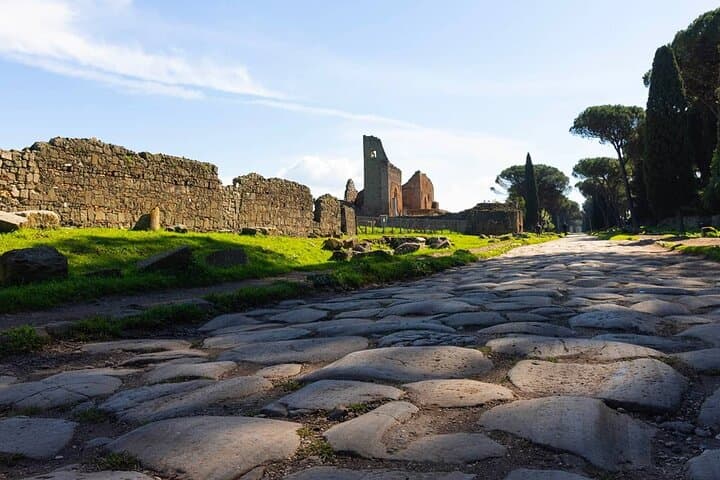
The road opens under a pale Roman sky, cobbles humming beneath electric assist as pines and low scrub lean into the wind. You leave the city noise behind and follow the Appian Way, where emperors once marched and stones still hold graffiti from two millennia ago.
The road opens under a pale Roman sky, cobbles humming beneath electric assist as pines and low scrub lean into the wind. You leave the city noise behind and follow the Appian Way, where emperors once marched and stones still hold graffiti from two millennia ago.
This route—La Via Appia Antica—was laid in 312 BCE as a strategic artery connecting Rome to the south. Along three hours of mostly flat, mixed-surface riding you pass the Mausoleum of Cecilia Metella, the Villa of Maxentius, catacombs carved in tufa, and the Parco degli Acquedotti where arches of the aqueducts frame the sky like deliberate architecture. Geologically, the road cuts across volcanic tuff and alluvial terraces; the soft stone made tomb carving easy and gives the landscape its pale, warm tones.
Culturally the Appia is both pilgrimage and picnic ground: local joggers, shepherding olive trees, and tour groups share the long sightlines. The supplied audio guide brings these monuments to life with concise context and anecdotes so you understand what you’re seeing without slowing the ride.
Practical guidance: expect compacted dirt, occasional loose cobbles, and short paved sections. Use the navigator supplied, keep battery and phone charged, and plan a mid-ride stop at the Parco degli Acquedotti for shade and photos. Morning or late afternoon rides avoid Rome’s heat and give softer light on stone. Bring water, closed-toe shoes, and a light layer—the Roman breeze can change fast. This tour balances effortless speed with deep, walk-through history; it’s an efficient, sensory way to experience one of the world’s oldest roads.