THE ADVENTURE COLLECTIVE® · Independent discovery and booking for outdoor travel

See the Albanian Riviera in one long, vivid day: seaside Sarandë, the white sand coves of Ksamil, and the otherworldly Blue Eye spring. This full-day tour pairs coastal swimming with brief walks and cultural snapshots—ideal if you want to compress southern Albania into a single, unforgettable day.
See the Albanian Riviera in one long, vivid day: seaside Sarandë, the white sand coves of Ksamil, and the otherworldly Blue Eye spring. This full-day tour pairs coastal swimming with brief walks and cultural snapshots—ideal if you want to compress southern Albania into a single, unforgettable day.
Morning light breaks over the Ionian as the minivan pulls out of Durrës, windows fogging with sea-salt and low conversation. By mid-morning the highway gives way to olive terraces and limestone ridges; the guide points to the Vjosa River, a living ribbon of clear water that dares you to slow down and look closer.
Verified experiences and guided adventures in the surrounding area.
Operated by EPIC TOURS · Sarandë, Vlorë County
Morning light breaks over the Ionian as the minivan pulls out of Durrës, windows fogging with sea-salt and low conversation. By mid-morning the highway gives way to olive terraces and limestone ridges; the guide points to the Vjosa River, a living ribbon of clear water that dares you to slow down and look closer.
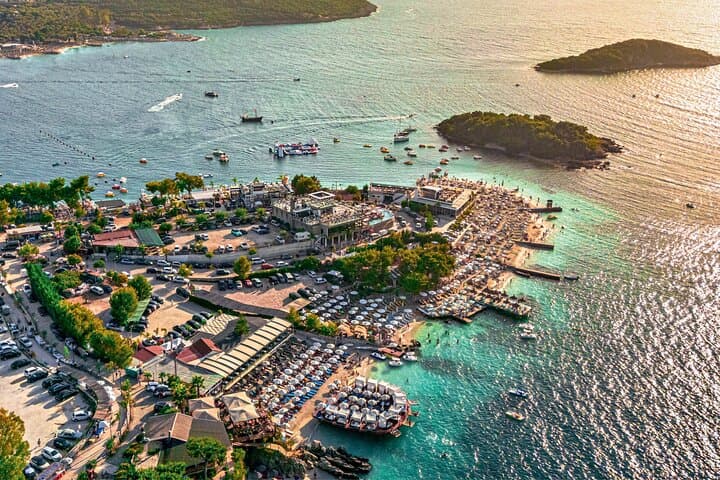
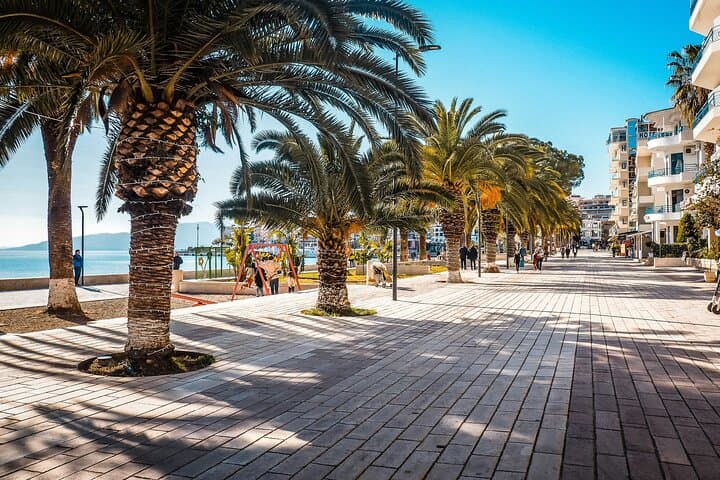
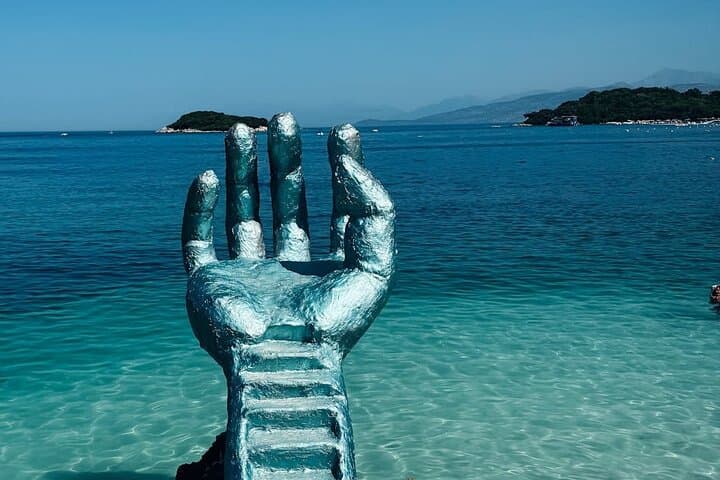
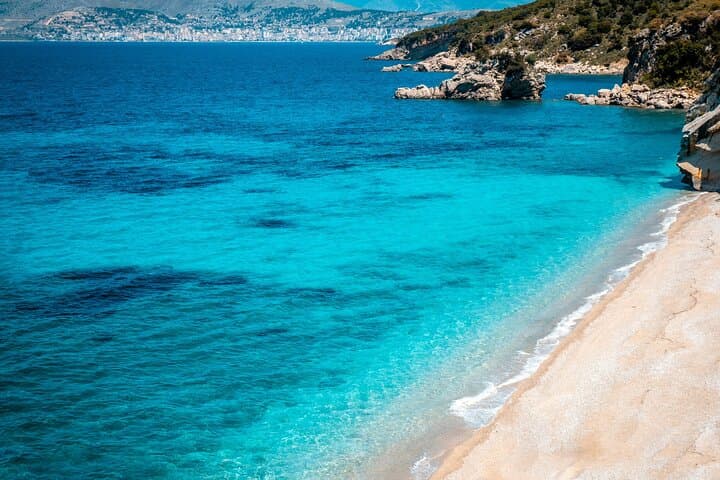
The route threads into Sarandë, a compact seaside city shaped by Greek, Roman and Ottoman chapters; its promenade hums with cafés and fishing boats. Further south, Ksamil unfurls white sand and small islets—shallow water that earned it the nickname “Albanian Maldives.” Then the landscape turns inward: the Blue Eye (Syri i Kaltër) is a karst spring where a cobalt throat drops into hidden depth, framed by wooden boardwalks and broadleaf shade.
Geology here moves fast from coastal carbonate beaches to karst springs and river valleys. Culturally, the area mixes Ionian seafood traditions with the long shadow of the ancient site of Butrint nearby. Conservation efforts protect Vjosa’s wild river corridors and the Blue Eye’s sensitive springs—visitors are asked to stick to paths and minimize plastic waste.
Practical guidance: expect a 14–15 hour day with mostly seated driving and several short walks; bring swimwear for Ksamil, a light jacket for breezy evenings, sturdy shoes for boardwalks and village cobbles, and refillable water. Pickup and drop-off are confirmed by WhatsApp the day before; notify the operator if you need to be left in Sarandë or Ksamil and mention any luggage. Hydrate, carry small local currency for cafés, and leave the springs as you found them.
moderate.
14–15 hours.
Suitable for average fitness; able to handle a long day of travel with short, easy walks and stepping on/off a minivan.
Pickup and drop-off are available in Durrës and Golem; exact times and meeting points are confirmed by WhatsApp the day before. You may be asked to walk a short distance (0–15 minutes) to the pick-up point.
Yes—inform the operator in advance if you wish to be dropped off in Sarandë or Ksamil and indicate whether you have luggage so they can plan accordingly.
The Blue Eye is primarily a viewing site with boardwalks; water is extremely cold year-round and access may be restricted. Follow posted signs and local guidance—swimming is generally discouraged to protect the spring and for visitor safety.
Yes. Sarandë and Ksamil have cafés, restaurants and public toilets; bring small local currency for smaller vendors and tips.
This coast has long been a crossroads: Greek and Roman settlements, Byzantine churches and Ottoman trade have all left traces; nearby Butrint is a UNESCO site illustrating the region’s deep past.
Vjosa’s river corridors and the Blue Eye are ecologically sensitive; stick to trails, avoid single-use plastics, and follow local rules to minimize impact.
EPIC TOURS operates guided outdoor trips and adventures with an emphasis on safety, stewardship, and memorable experiences.
Morning light breaks over the Ionian as the minivan pulls out of Durrës, windows fogging with sea-salt and low conversation. By mid-morning the highway gives way to olive terraces and limestone ridges; the guide points to the Vjosa River, a living ribbon of clear water that dares you to slow down and look closer.
Morning light breaks over the Ionian as the minivan pulls out of Durrës, windows fogging with sea-salt and low conversation. By mid-morning the highway gives way to olive terraces and limestone ridges; the guide points to the Vjosa River, a living ribbon of clear water that dares you to slow down and look closer.
The route threads into Sarandë, a compact seaside city shaped by Greek, Roman and Ottoman chapters; its promenade hums with cafés and fishing boats. Further south, Ksamil unfurls white sand and small islets—shallow water that earned it the nickname “Albanian Maldives.” Then the landscape turns inward: the Blue Eye (Syri i Kaltër) is a karst spring where a cobalt throat drops into hidden depth, framed by wooden boardwalks and broadleaf shade.
Geology here moves fast from coastal carbonate beaches to karst springs and river valleys. Culturally, the area mixes Ionian seafood traditions with the long shadow of the ancient site of Butrint nearby. Conservation efforts protect Vjosa’s wild river corridors and the Blue Eye’s sensitive springs—visitors are asked to stick to paths and minimize plastic waste.
Practical guidance: expect a 14–15 hour day with mostly seated driving and several short walks; bring swimwear for Ksamil, a light jacket for breezy evenings, sturdy shoes for boardwalks and village cobbles, and refillable water. Pickup and drop-off are confirmed by WhatsApp the day before; notify the operator if you need to be left in Sarandë or Ksamil and mention any luggage. Hydrate, carry small local currency for cafés, and leave the springs as you found them.