THE ADVENTURE COLLECTIVE® · Independent discovery and booking for outdoor travel

Walk Durham’s cathedral quarter with a local expert: medieval lanes, Palace Green, riverside viewpoints and the stories of Prince Bishops and students. This private 2‑hour tour blends architecture, history and accessible riverside walking.
Walk Durham’s cathedral quarter with a local expert: medieval lanes, Palace Green, riverside viewpoints and the stories of Prince Bishops and students. This private 2‑hour tour blends architecture, history and accessible riverside walking.
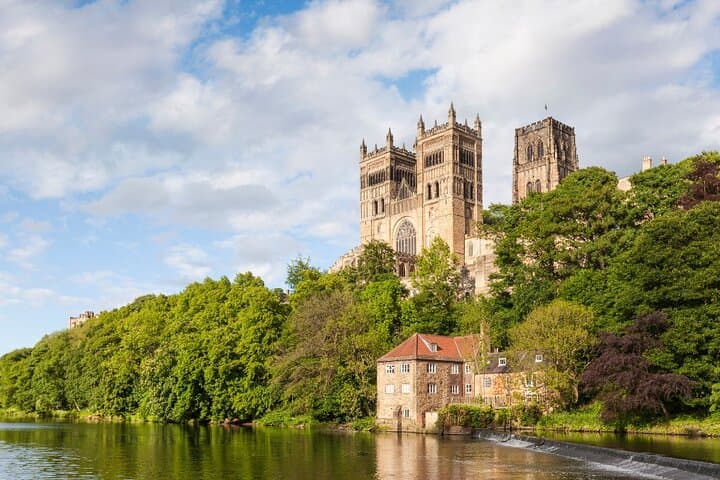
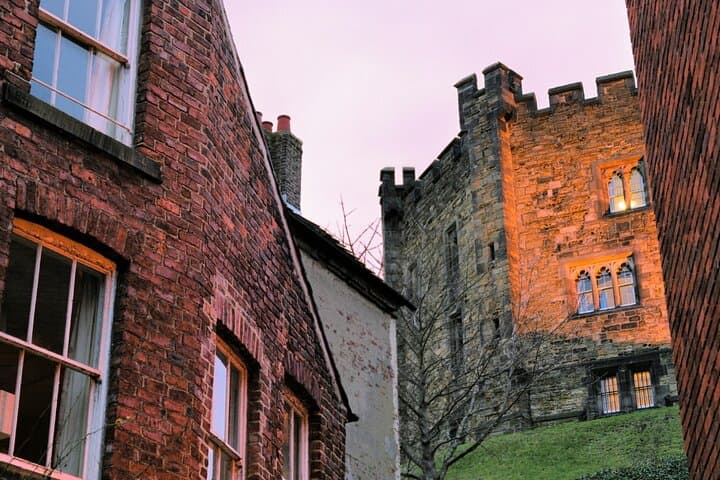
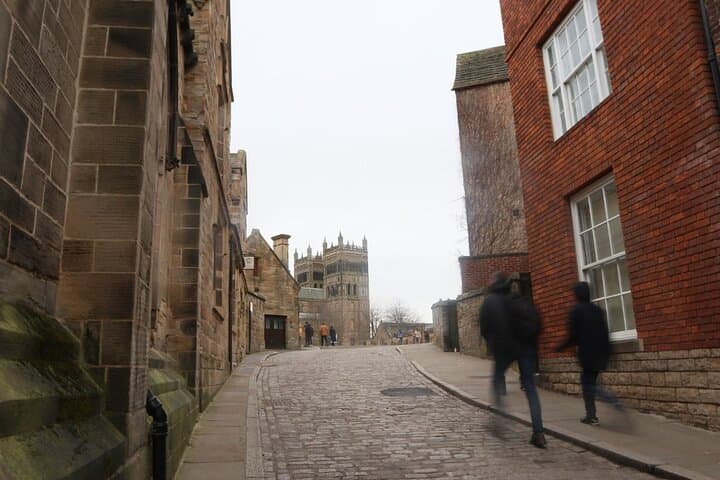
A brisk wind threads the river as the group meets on Millennium Square, the city’s new civic face giving way to a much older story. The guide leads past the Fenwick Lawson statue, down cobbled lanes where stone turns human—houses, market halls and narrow vennels funnel visitors toward Palace Green and a staggered skyline dominated by Durham Cathedral.
Verified experiences and guided adventures in the surrounding area.
Operated by Newcastle Tour Company · Durham, County Durham
A brisk wind threads the river as the group meets on Millennium Square, the city’s new civic face giving way to a much older story. The guide leads past the Fenwick Lawson statue, down cobbled lanes where stone turns human—houses, market halls and narrow vennels funnel visitors toward Palace Green and a staggered skyline dominated by Durham Cathedral.
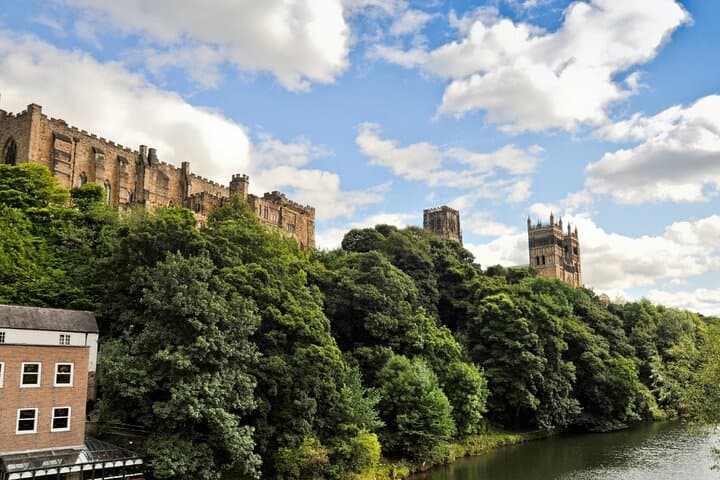
Durham sits on a narrow peninsula carved by the River Wear; its steep banks and river-polished stone frame views that have drawn artists and pilgrims for centuries. The tour covers the medieval market square, Victorian Market, the college cloisters and the UNESCO World Heritage pair of castle and cathedral. Guides weave local history—Prince Bishops who ruled with both mitre and sword, the university (one of England’s oldest), and the city’s industrial chapter—into readable anecdotes grounded in architecture and street-plan.
Culturally, the walk exposes how ecclesiastical power shaped markets, lanes (vennels) and collegiate life; look for traces of Romanesque masonry and Victorian interventions. Practically, the route includes riverside paths, two short bridge crossings (Prebends and Framwellgate) and sections of uneven cobbles.
Expect a 2‑hour, low‑impact stroll with stops for stories and photos. The cathedral may be closed for services—confirm in advance. Wear sturdy shoes for cobbles, bring layers for the river wind, and time the walk for morning or late afternoon light to get Turner-worthy views from Prebends Bridge. The experience balances close-up history with open-river panoramas, ideal for travelers who want readable context and easy access to Durham’s core sights.
easy.
2 hours.
Suitable for most fitness levels; involves walking on cobbles and short inclines but no sustained climbs.
Tours typically start at Millennium Square and finish near Framwellgate Bridge or the market area—confirm meeting and finish points when booking.
Yes; the main route is wheelchair accessible, though some narrow vennels and steps may be avoided—advise the operator of mobility needs when booking.
Often yes, but the cathedral can close for services or events; guides will attempt a walkthrough when open but recommend pre‑confirming if interior access is important.
This particular tour is private and can focus more on architecture, university history, or riverside stories—ask the guide about specific interests when booking.
Durham’s cathedral and castle form a UNESCO World Heritage Site; the city grew around ecclesiastical power and later the university, with Prince Bishops exercising both secular and spiritual rule.
High footfall around Palace Green and the riverbank requires respectful behavior—stay on paths, avoid disturbing nesting birds, and support local conservation efforts by not littering.
Newcastle Tour Company operates guided outdoor trips and adventures with an emphasis on safety, stewardship, and memorable experiences.
A brisk wind threads the river as the group meets on Millennium Square, the city’s new civic face giving way to a much older story. The guide leads past the Fenwick Lawson statue, down cobbled lanes where stone turns human—houses, market halls and narrow vennels funnel visitors toward Palace Green and a staggered skyline dominated by Durham Cathedral.
A brisk wind threads the river as the group meets on Millennium Square, the city’s new civic face giving way to a much older story. The guide leads past the Fenwick Lawson statue, down cobbled lanes where stone turns human—houses, market halls and narrow vennels funnel visitors toward Palace Green and a staggered skyline dominated by Durham Cathedral.
Durham sits on a narrow peninsula carved by the River Wear; its steep banks and river-polished stone frame views that have drawn artists and pilgrims for centuries. The tour covers the medieval market square, Victorian Market, the college cloisters and the UNESCO World Heritage pair of castle and cathedral. Guides weave local history—Prince Bishops who ruled with both mitre and sword, the university (one of England’s oldest), and the city’s industrial chapter—into readable anecdotes grounded in architecture and street-plan.
Culturally, the walk exposes how ecclesiastical power shaped markets, lanes (vennels) and collegiate life; look for traces of Romanesque masonry and Victorian interventions. Practically, the route includes riverside paths, two short bridge crossings (Prebends and Framwellgate) and sections of uneven cobbles.
Expect a 2‑hour, low‑impact stroll with stops for stories and photos. The cathedral may be closed for services—confirm in advance. Wear sturdy shoes for cobbles, bring layers for the river wind, and time the walk for morning or late afternoon light to get Turner-worthy views from Prebends Bridge. The experience balances close-up history with open-river panoramas, ideal for travelers who want readable context and easy access to Durham’s core sights.