THE ADVENTURE COLLECTIVE® · Independent discovery and booking for outdoor travel

Explore Durham’s towering Norman cathedral, medieval streets, and riverside viewpoints on a full-day private tour. This guided route combines UNESCO heritage, local markets, and accessible logistics for an easy historic outing.
Explore Durham’s towering Norman cathedral, medieval streets, and riverside viewpoints on a full-day private tour. This guided route combines UNESCO heritage, local markets, and accessible logistics for an easy historic outing.
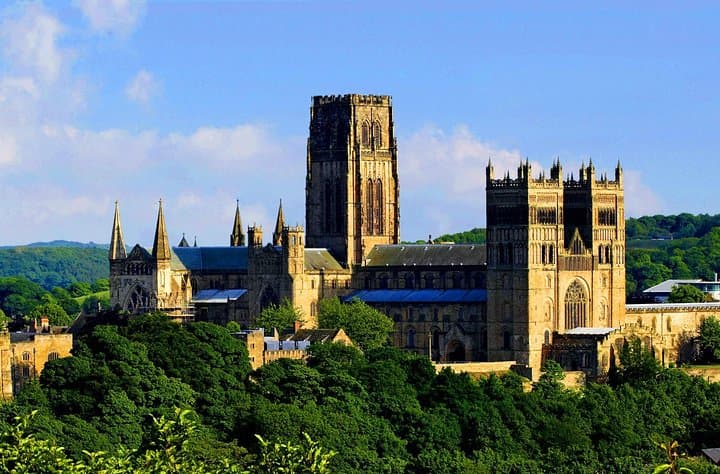
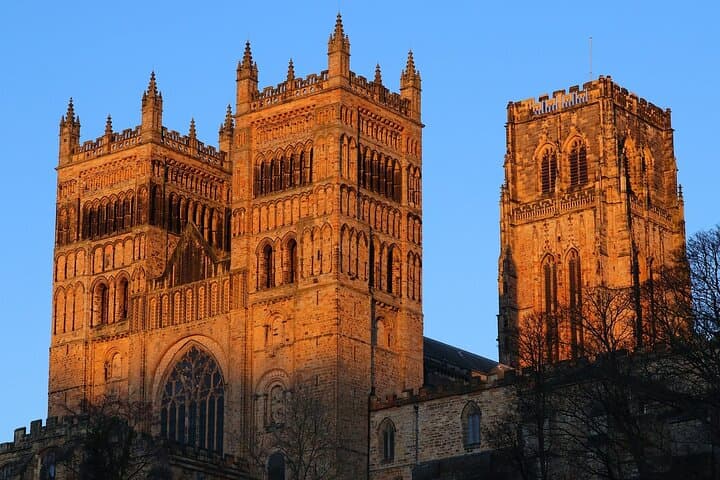
You step from a quiet street into a sunlit courtyard and the cathedral fills the sky — a Norman silhouette carved in warm stone above a river that dares you to look over the edge.
Verified experiences and guided adventures in the surrounding area.
Operated by Ye Olde England Tours · Durham, County Durham
You step from a quiet street into a sunlit courtyard and the cathedral fills the sky — a Norman silhouette carved in warm stone above a river that dares you to look over the edge.
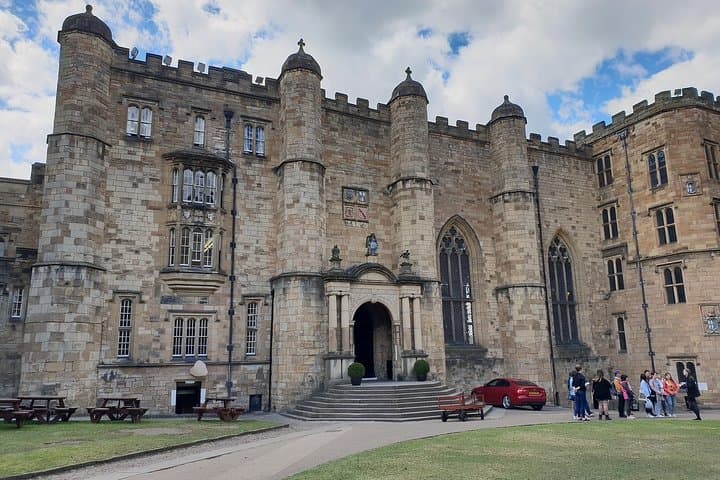
This full-day walking tour threads Durham’s tight medieval lanes, the river loop, and two UNESCO-listed monuments: Durham Cathedral (begun 1093 AD) and the adjoining castle. The cathedral’s Romanesque vaults and the shrine of Saint Cuthbert anchor a story of Norman builders, monastic pilgrimage, and a university town that has layered centuries of student life, markets, and taverns along the River Wear’s steep banks.
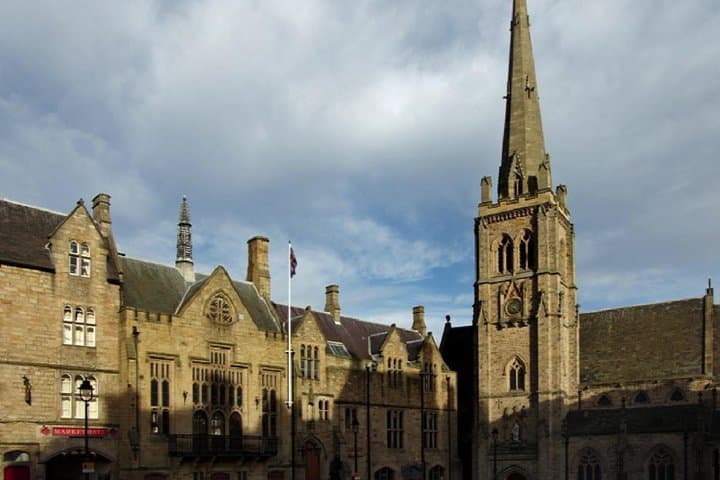
Geology and urban form go hand in hand here; the Wear has scoured a tight peninsula, giving the city dramatic overlooks and narrow streets that funnel views to the cathedral and castle. Cultural notes: the covered market at the heart of the old city still trades in local food and crafts, while the university presence means lively cafés and atmospheric pubs in former merchant houses.
Practical guidance: expect several hours on cobble and pavement with short flights of steps — comfortable, grippy footwear and a waterproof shell are essential in changeable UK weather. Photography and interior visits are typically allowed but follow signage in the cathedral and castle; both sites often include admission on guided tours. Hotel pickup and a private guide make logistics simple, but arrive early to see quieter cloisters and take the riverside Prebends Bridge for the classic view. Carry a small daypack, a reusable bottle, and a card for market stalls — and leave time to sit by the river and let the city’s long history settle in.
easy.
6–8 hours.
Suitable for most fitness levels; requires multiple hours of walking on paved, uneven surfaces and short stair sections.
This tour typically includes admission to Durham Cathedral and Durham Castle as noted in the itinerary, but confirm when booking.
Yes — transportation and many public areas are wheelchair accessible, though some historic interiors and cobbled streets may be challenging; contact the operator about specific needs.
Hotel pickup and drop-off are listed as included, with pickup point details requested at booking.
Photography is generally allowed in many areas, but follow posted rules and any restrictions in sacred or conservation-sensitive parts of the sites.
Durham Cathedral dates to 1093 AD and houses the shrine of Saint Cuthbert; together with Durham Castle it forms a UNESCO World Heritage site reflecting medieval ecclesiastical and military power.
As a UNESCO site, Durham manages visitor flows and conservation carefully; stick to marked paths, avoid touching ancient stonework, and support local businesses to fund preservation.
Ye Olde England Tours operates guided outdoor trips and adventures with an emphasis on safety, stewardship, and memorable experiences.
You step from a quiet street into a sunlit courtyard and the cathedral fills the sky — a Norman silhouette carved in warm stone above a river that dares you to look over the edge.
You step from a quiet street into a sunlit courtyard and the cathedral fills the sky — a Norman silhouette carved in warm stone above a river that dares you to look over the edge.
This full-day walking tour threads Durham’s tight medieval lanes, the river loop, and two UNESCO-listed monuments: Durham Cathedral (begun 1093 AD) and the adjoining castle. The cathedral’s Romanesque vaults and the shrine of Saint Cuthbert anchor a story of Norman builders, monastic pilgrimage, and a university town that has layered centuries of student life, markets, and taverns along the River Wear’s steep banks.
Geology and urban form go hand in hand here; the Wear has scoured a tight peninsula, giving the city dramatic overlooks and narrow streets that funnel views to the cathedral and castle. Cultural notes: the covered market at the heart of the old city still trades in local food and crafts, while the university presence means lively cafés and atmospheric pubs in former merchant houses.
Practical guidance: expect several hours on cobble and pavement with short flights of steps — comfortable, grippy footwear and a waterproof shell are essential in changeable UK weather. Photography and interior visits are typically allowed but follow signage in the cathedral and castle; both sites often include admission on guided tours. Hotel pickup and a private guide make logistics simple, but arrive early to see quieter cloisters and take the riverside Prebends Bridge for the classic view. Carry a small daypack, a reusable bottle, and a card for market stalls — and leave time to sit by the river and let the city’s long history settle in.