THE ADVENTURE COLLECTIVE® · Independent discovery and booking for outdoor travel

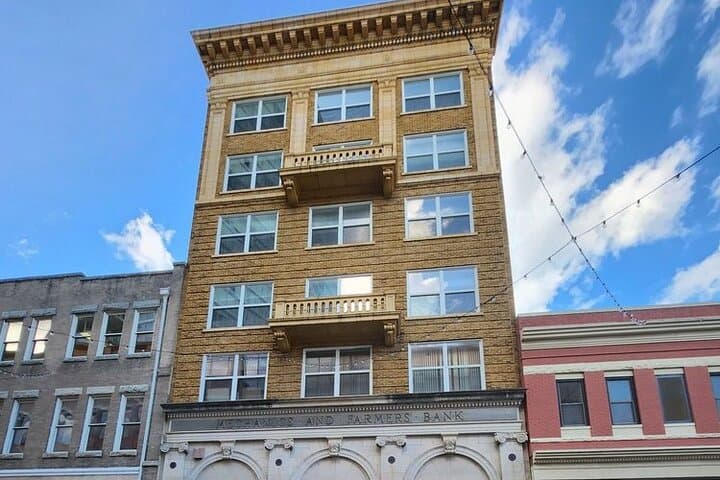
Walk Parrish Street with a local historian to see Durham’s preserved Black business district, from the W.T. Blackwell Factory to the M&F Bank Building. This compact, accessible tour illuminates the city’s role as a center of Black entrepreneurship and community life.
Walk Parrish Street with a local historian to see Durham’s preserved Black business district, from the W.T. Blackwell Factory to the M&F Bank Building. This compact, accessible tour illuminates the city’s role as a center of Black entrepreneurship and community life.
You step off the sidewalk into a stretch of downtown Durham where brick facades and old signage still hold the outline of an industrious past. The bronze bull in CCB Plaza marks the meeting point; from there the guide threads a compact loop through Parrish Street’s commercial spine, past the W.T. Blackwell Factory bones and the storefronts that anchored a thriving Black middle class.
Verified experiences and guided adventures in the surrounding area.
Operated by Triangle Walking Tours · Durham, North Carolina
You step off the sidewalk into a stretch of downtown Durham where brick facades and old signage still hold the outline of an industrious past. The bronze bull in CCB Plaza marks the meeting point; from there the guide threads a compact loop through Parrish Street’s commercial spine, past the W.T. Blackwell Factory bones and the storefronts that anchored a thriving Black middle class.
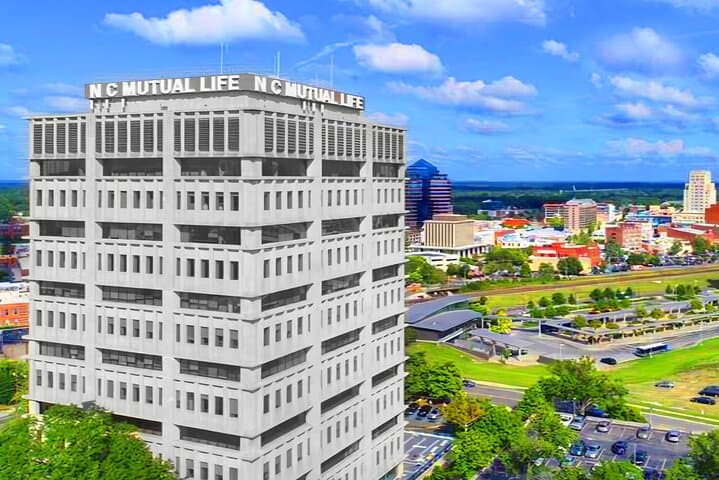
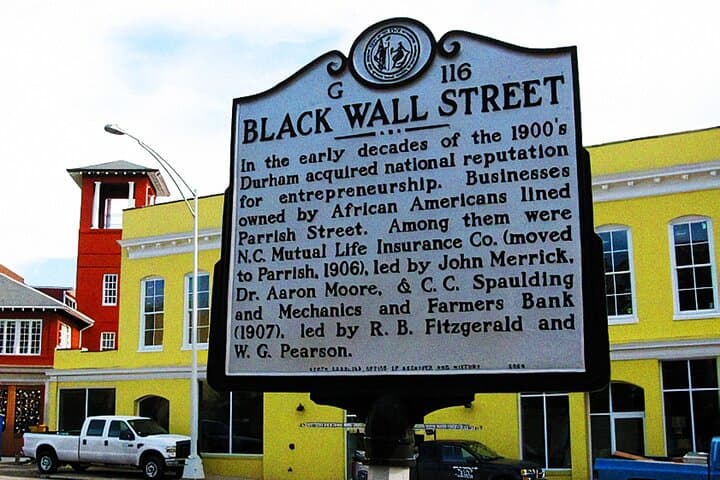
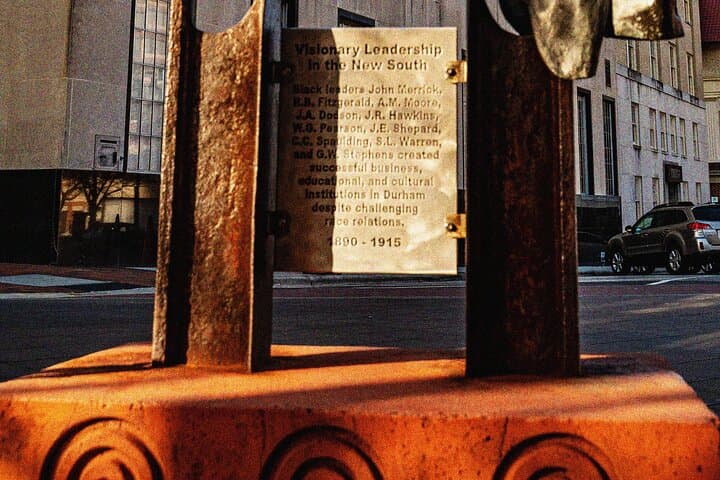
Durham’s rise in the late 19th and early 20th centuries pivoted on tobacco, brickmaking, and finance. African American entrepreneurs built institutions — Mutual Life, M&F Bank, barber shops and pharmacies — that turned this city into a celebrated model of Black economic autonomy often called a southern “Black Wall Street.” The tour traces those buildings and the people who ran them, placing each stop in the larger sweep of Jim Crow, uplift politics, and mid-century change.
Geology here is modest but telling: red-clay soil shaped the city’s brick industry and the low rolling terrain directed street grids and factory siting. Cultural notes include the migration patterns that swelled Durham’s population and the preservation efforts that keep Parrish Street’s storefronts legible today.
Practical guidance: wear sturdy walking shoes for uneven sidewalks and modest elevation changes, bring water, and plan for about an hour. The route is largely flat and accessible; expect frequent stops and storytelling rather than a brisk pace. Photographers will find architectural details at every turn, and participants are encouraged to ask about specific buildings, owners, and archival sources to deepen the visit.
easy.
1 hour.
Suitable for most fitness levels; requires standing and walking on city sidewalks for approximately 60 minutes.
The tour lasts about one hour and meets in front of the bronze bull statue in CCB Plaza in downtown Durham.
Yes—the route is designed to be wheelchair accessible, though access into specific buildings may vary; let the operator know of any needs when booking.
Infants and small children in strollers are permitted; the pace is slow and family-friendly.
This tour is sold as all-sales-final with no refunds available, so plan accordingly before booking.
Durham became a hub for Black entrepreneurship in the late 19th and early 20th centuries; Parrish Street was the city’s primary Black business district and home to influential institutions like M&F Bank and Mutual Life.
Local preservation groups maintain Parrish Street’s historic facades; visitors can support conservation by following signage, avoiding entry into private sites, and patronizing local museums.
Triangle Walking Tours operates guided outdoor trips and adventures with an emphasis on safety, stewardship, and memorable experiences.
You step off the sidewalk into a stretch of downtown Durham where brick facades and old signage still hold the outline of an industrious past. The bronze bull in CCB Plaza marks the meeting point; from there the guide threads a compact loop through Parrish Street’s commercial spine, past the W.T. Blackwell Factory bones and the storefronts that anchored a thriving Black middle class.
You step off the sidewalk into a stretch of downtown Durham where brick facades and old signage still hold the outline of an industrious past. The bronze bull in CCB Plaza marks the meeting point; from there the guide threads a compact loop through Parrish Street’s commercial spine, past the W.T. Blackwell Factory bones and the storefronts that anchored a thriving Black middle class.
Durham’s rise in the late 19th and early 20th centuries pivoted on tobacco, brickmaking, and finance. African American entrepreneurs built institutions — Mutual Life, M&F Bank, barber shops and pharmacies — that turned this city into a celebrated model of Black economic autonomy often called a southern “Black Wall Street.” The tour traces those buildings and the people who ran them, placing each stop in the larger sweep of Jim Crow, uplift politics, and mid-century change.
Geology here is modest but telling: red-clay soil shaped the city’s brick industry and the low rolling terrain directed street grids and factory siting. Cultural notes include the migration patterns that swelled Durham’s population and the preservation efforts that keep Parrish Street’s storefronts legible today.
Practical guidance: wear sturdy walking shoes for uneven sidewalks and modest elevation changes, bring water, and plan for about an hour. The route is largely flat and accessible; expect frequent stops and storytelling rather than a brisk pace. Photographers will find architectural details at every turn, and participants are encouraged to ask about specific buildings, owners, and archival sources to deepen the visit.