THE ADVENTURE COLLECTIVE® · Independent discovery and booking for outdoor travel

Explore Durdle Door’s limestone arch, the coves of the Jurassic Coast and the beaches of Bournemouth on a private full‑day outing from London. This guide outlines what to expect: terrain, history, and practical tips for timing, footwear and photography.
Explore Durdle Door’s limestone arch, the coves of the Jurassic Coast and the beaches of Bournemouth on a private full‑day outing from London. This guide outlines what to expect: terrain, history, and practical tips for timing, footwear and photography.
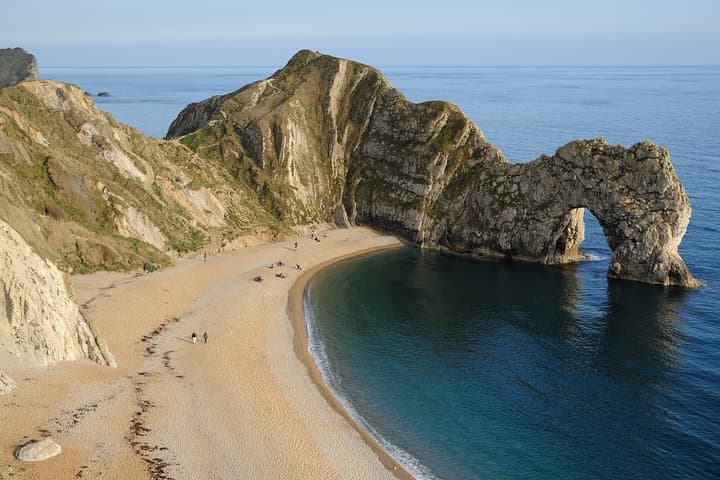
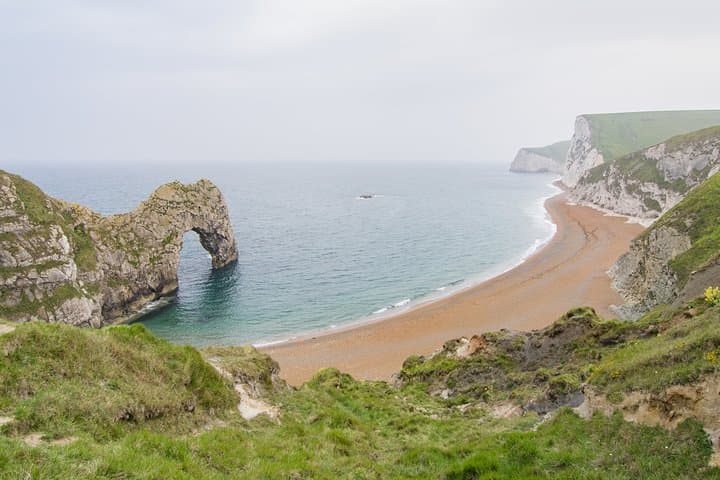
You step from the van onto chalk-scarred cliffs, the Channel wind already shaping salt in your hair. Below, the calcareous arch of Durdle Door frames a strip of sea that alternates between glassy turquoise and gunmetal grey depending on the tide. The path underfoot is a mix of compacted soil and limestone scree; gulls call and the cliffs seem to lean in to watch.
Verified experiences and guided adventures in the surrounding area.
Operated by Tourope UK · West Lulworth, Dorset
You step from the van onto chalk-scarred cliffs, the Channel wind already shaping salt in your hair. Below, the calcareous arch of Durdle Door frames a strip of sea that alternates between glassy turquoise and gunmetal grey depending on the tide. The path underfoot is a mix of compacted soil and limestone scree; gulls call and the cliffs seem to lean in to watch.
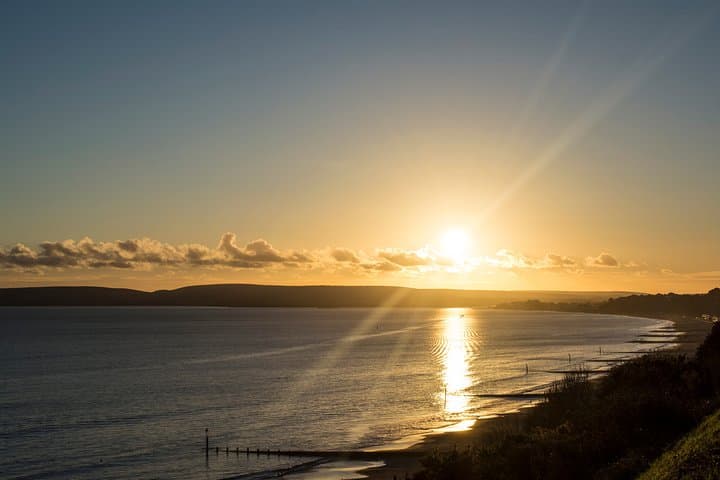
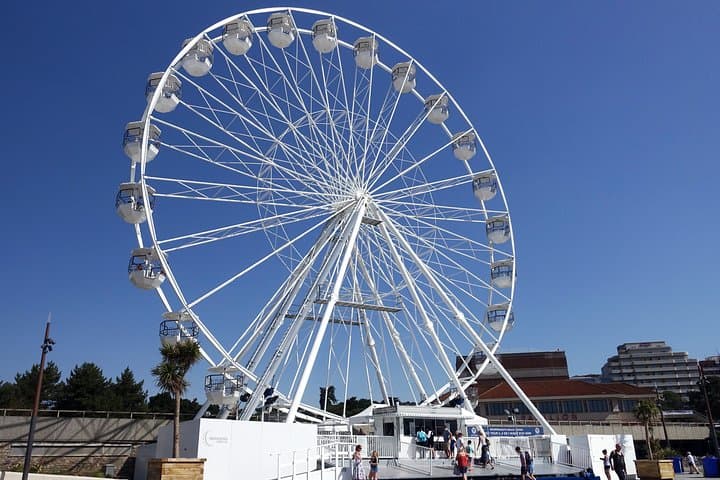
This coastline is part of the Jurassic Coast World Heritage Site, a 185‑million-year record of Earth’s history where folding, faulting and sea erosion reveal fossil-bearing strata. Durdle Door itself is a product of harder Portland limestone protecting softer clays until waves punched a hole through the headland; nearby Lulworth Cove formed in softer layers eroded into a near-perfect horseshoe. Human stories run alongside geological ones — Victorian Bournemouth grew with the railway and seaside leisure, while Weymouth has a long maritime life and a modern Olympic sailing legacy.
On a private full‑day tour expect short cliff-top walks (some steep sections), photo stops, and time in Bournemouth or Weymouth for lunch and people-watching. Guides typically provide bottled water and a comfortable, air‑conditioned ride between sites. Wear sturdy shoes for uneven coastal paths, windproof layers for exposed viewpoints and carry a small daypack with snacks. If you plan the iconic Durdle Door to Lulworth Cove walk, be ready for narrow paths and 100–200m cumulative climbs; discuss this option with your driver-guide.
Morning light is best for cliffs; afternoons favor calmer seas. Respect fenced areas, take fossils you find in the sense of study only (photograph, don’t remove), and allow time for short detours to stair holes and small coves that reveal the coast’s quieter angles.
moderate.
8 hours.
Moderate fitness for short hikes and some steep sections; able to walk up to 3–5 miles on uneven ground.
The private tour runs about 8 hours and typically includes private transport, bottled water, stops at Durdle Door, Lulworth Cove, Weymouth and Bournemouth, and door‑to‑door pickup by arrangement.
A full coastal walk can be arranged but depends on fitness; the guide will advise — alternative shorter viewpoints are available if you prefer less walking.
Swimming is possible but the water can be cold with strong currents; there are no lifeguards at Durdle Door — exercise caution and heed local advice.
Transport is wheelchair accessible per provider notes, but cliff-top viewpoints and many paths have uneven or steep sections not suitable for wheelchairs or standard strollers.
The Jurassic Coast records 185 million years of Earth history; Durdle Door and Lulworth Cove reflect differential erosion where harder limestones protect softer beds, creating arches and coves.
This is a protected World Heritage Site — stick to marked paths, don’t remove fossils or rocks, and pack out any litter to limit erosion and habitat disturbance.
Tourope UK operates guided outdoor trips and adventures with an emphasis on safety, stewardship, and memorable experiences.
You step from the van onto chalk-scarred cliffs, the Channel wind already shaping salt in your hair. Below, the calcareous arch of Durdle Door frames a strip of sea that alternates between glassy turquoise and gunmetal grey depending on the tide. The path underfoot is a mix of compacted soil and limestone scree; gulls call and the cliffs seem to lean in to watch.
You step from the van onto chalk-scarred cliffs, the Channel wind already shaping salt in your hair. Below, the calcareous arch of Durdle Door frames a strip of sea that alternates between glassy turquoise and gunmetal grey depending on the tide. The path underfoot is a mix of compacted soil and limestone scree; gulls call and the cliffs seem to lean in to watch.
This coastline is part of the Jurassic Coast World Heritage Site, a 185‑million-year record of Earth’s history where folding, faulting and sea erosion reveal fossil-bearing strata. Durdle Door itself is a product of harder Portland limestone protecting softer clays until waves punched a hole through the headland; nearby Lulworth Cove formed in softer layers eroded into a near-perfect horseshoe. Human stories run alongside geological ones — Victorian Bournemouth grew with the railway and seaside leisure, while Weymouth has a long maritime life and a modern Olympic sailing legacy.
On a private full‑day tour expect short cliff-top walks (some steep sections), photo stops, and time in Bournemouth or Weymouth for lunch and people-watching. Guides typically provide bottled water and a comfortable, air‑conditioned ride between sites. Wear sturdy shoes for uneven coastal paths, windproof layers for exposed viewpoints and carry a small daypack with snacks. If you plan the iconic Durdle Door to Lulworth Cove walk, be ready for narrow paths and 100–200m cumulative climbs; discuss this option with your driver-guide.
Morning light is best for cliffs; afternoons favor calmer seas. Respect fenced areas, take fossils you find in the sense of study only (photograph, don’t remove), and allow time for short detours to stair holes and small coves that reveal the coast’s quieter angles.