THE ADVENTURE COLLECTIVE® · Independent discovery and booking for outdoor travel

Spend six relaxed hours exploring Durbanville Wine Valley’s top estates with guided tastings, scenic vineyard views and mid-afternoon return to Cape Town. Learn which estates to visit, what to pack and how to get the most from a half-day tasting tour.
Spend six relaxed hours exploring Durbanville Wine Valley’s top estates with guided tastings, scenic vineyard views and mid-afternoon return to Cape Town. Learn which estates to visit, what to pack and how to get the most from a half-day tasting tour.
You step off the air-conditioned minibus into a valley of low vineyards and rolling fynbos, the Atlantic light softening the rows of vines. The road hums, gulls wheel in the distance, and each estate gate promises a different take on Cape winemaking — crisp sauvignon blancs here, barrel-aged chardonnays there.
Verified experiences and guided adventures in the surrounding area.
Operated by Bush Club Tours · Durbanville, Western Cape
You step off the air-conditioned minibus into a valley of low vineyards and rolling fynbos, the Atlantic light softening the rows of vines. The road hums, gulls wheel in the distance, and each estate gate promises a different take on Cape winemaking — crisp sauvignon blancs here, barrel-aged chardonnays there.
Durbanville's winemaking stretches back to the 18th century when settlers began planting vineyards on cool, elevated soils north of Cape Town. The valley sits on well-drained, sandy and decomposed granite soils that favor aromatic whites and elegant reds; the geology gives wines a bright, saline clarity that pairs well with local cuisine.
Culture here is low-key and convivial: family-owned estates share tasting rooms, cellar tours and occasional live music afternoons. Expect friendly tasting hosts who will talk terroir and vintage with practical detail rather than ceremony.
During a six-hour half-day tour you’ll visit three or more estates — common choices include De Grendel, Durbanville Hills and Nitida — with hotel pick-up and return by mid-afternoon. The rhythm of the day moves from seated tastings to brief cellar walks and vineyard overlooks.
Practical guidance: bring government ID for tastings, a refillable water bottle, and sun protection; wear comfortable shoes for short uneven surfaces between tasting rooms. If you want bottles to take home, arrange transport or plan to ship — South African duty rules and airport limits apply. Book midweek to avoid weekend crowds and ask ahead about cellar access if you’d like a behind-the-scenes tour.
easy.
6 hours.
Suitable for most fitness levels; requires only short walks on flat to gently sloping ground
Yes — tastings at three or more estates are included; specific estates vary by operator and day.
Yes — the tour includes hotel pickup and drop-off in Cape Town and surrounding areas, returning by mid-afternoon.
Children can join the tour but under-18s are not permitted to consume alcohol; child tickets are typically half-price.
Full refunds are generally available if you cancel at least 24 hours before departure; check the operator’s policy for exact terms.
Durbanville is one of Cape Town’s older viticultural districts, with vineyards planted from the 18th century and estates that evolved from colonial farms to modern wineries.
Many estates practice water-wise viticulture and integrated pest management; visitors are encouraged to respect private property, avoid trampling vines and dispose of waste responsibly.
Bush Club Tours operates guided outdoor trips and adventures with an emphasis on safety, stewardship, and memorable experiences.
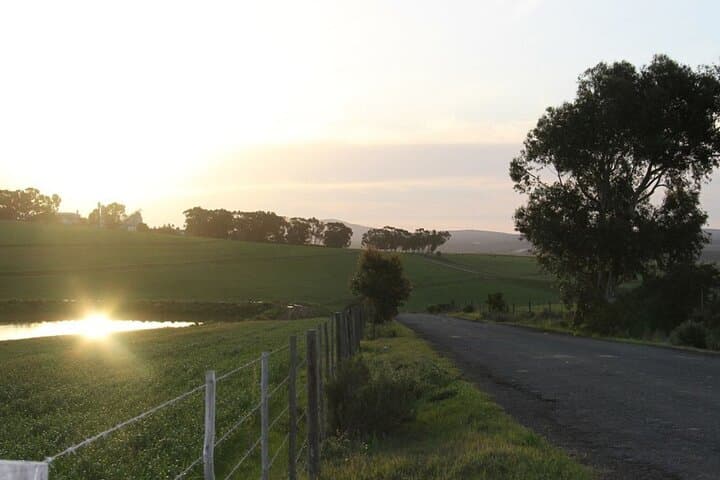
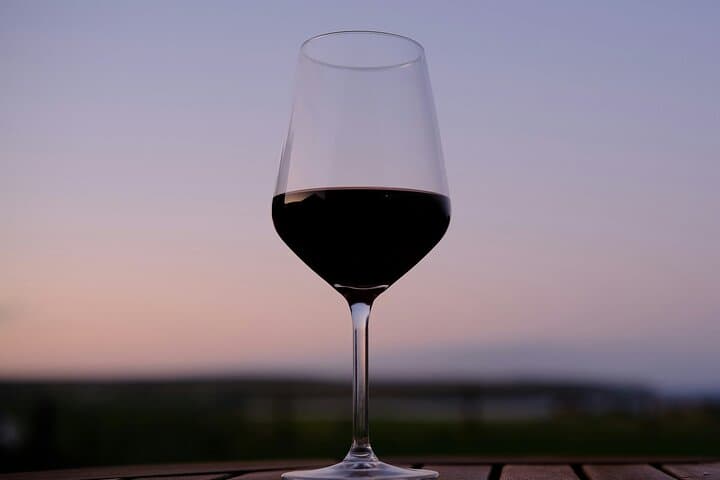


You step off the air-conditioned minibus into a valley of low vineyards and rolling fynbos, the Atlantic light softening the rows of vines. The road hums, gulls wheel in the distance, and each estate gate promises a different take on Cape winemaking — crisp sauvignon blancs here, barrel-aged chardonnays there.
You step off the air-conditioned minibus into a valley of low vineyards and rolling fynbos, the Atlantic light softening the rows of vines. The road hums, gulls wheel in the distance, and each estate gate promises a different take on Cape winemaking — crisp sauvignon blancs here, barrel-aged chardonnays there.
Durbanville's winemaking stretches back to the 18th century when settlers began planting vineyards on cool, elevated soils north of Cape Town. The valley sits on well-drained, sandy and decomposed granite soils that favor aromatic whites and elegant reds; the geology gives wines a bright, saline clarity that pairs well with local cuisine.
Culture here is low-key and convivial: family-owned estates share tasting rooms, cellar tours and occasional live music afternoons. Expect friendly tasting hosts who will talk terroir and vintage with practical detail rather than ceremony.
During a six-hour half-day tour you’ll visit three or more estates — common choices include De Grendel, Durbanville Hills and Nitida — with hotel pick-up and return by mid-afternoon. The rhythm of the day moves from seated tastings to brief cellar walks and vineyard overlooks.
Practical guidance: bring government ID for tastings, a refillable water bottle, and sun protection; wear comfortable shoes for short uneven surfaces between tasting rooms. If you want bottles to take home, arrange transport or plan to ship — South African duty rules and airport limits apply. Book midweek to avoid weekend crowds and ask ahead about cellar access if you’d like a behind-the-scenes tour.