THE ADVENTURE COLLECTIVE® · Independent discovery and booking for outdoor travel

Short on time but hungry for wildlife? This half-day safari from Durban visits Tala Game Reserve and Natal Park for close-up views of giraffe, rhino, hippo and elephants, delivered in a compact, guide-led wildlife drive.
Short on time but hungry for wildlife? This half-day safari from Durban visits Tala Game Reserve and Natal Park for close-up views of giraffe, rhino, hippo and elephants, delivered in a compact, guide-led wildlife drive.
A morning light filters through acacia branches as the safari vehicle eases onto the dusty track at Tala Game Reserve, the grasslands stretching like a bronze sea. Guides scan the horizon; a tower of giraffe silhouettes moves deliberately, while waterlogged pools mirror a chorus of waders. The drive balances close encounters with quiet observation — rhino bedded in shade, zebra milling at the grassline, hippo yawning at the water’s edge.
Verified experiences and guided adventures in the surrounding area.
Operated by African Sun Safaris · Durban, KwaZulu-Natal
A morning light filters through acacia branches as the safari vehicle eases onto the dusty track at Tala Game Reserve, the grasslands stretching like a bronze sea. Guides scan the horizon; a tower of giraffe silhouettes moves deliberately, while waterlogged pools mirror a chorus of waders. The drive balances close encounters with quiet observation — rhino bedded in shade, zebra milling at the grassline, hippo yawning at the water’s edge.
Tala sits within KwaZulu‑Natal’s mixed grassland and wetland belt, a privately managed reserve born from conservation and community land-use shifts in the late 20th century. The geology here is gentle—rolling hills of Natal Group sandstones that cradle seasonal pans—and the culture is a blend of Zulu rural life and Durban’s urban pulse. Nearby Natal Park (Lion Park/Natal Wildlife Viewing) focuses on larger species, including resident elephants that offer an up-close counterpoint to Tala’s plains game.
Practical guidance: this is a vehicle-based half-day excursion ideal for photographers and families short on time. Expect 3–6 hours including transfers from Durban, bumpy gravel tracks, and open-sided viewing for unobstructed sightlines. Bring binoculars, a camera with a zoom lens, sun protection, and a refillable water bottle. Mornings tend to be cooler and more active for wildlife; midday sightings can be sparser as animals rest.
Respect viewing distances, follow guide instructions, and leave no trace—these reserves rely on low-impact tourism to sustain habitat and anti-poaching efforts. The result is a compact, accessible safari that delivers the drama of KwaZulu‑Natal’s wildlife in a single, efficient outing.
easy.
5–6 hours.
Low; suitable for most fitness levels—ability to sit for transfer and step into an open vehicle required
The tour runs approximately 5–6 hours round-trip from Durban, including guided drives at Tala Game Reserve and a stop at Natal Park.
Sightings aren’t guaranteed—wild animals move unpredictably—but guides maximize opportunity by visiting active habitats at optimal times.
Yes; the tour is family-friendly and lists wheelchair-accessible transport and surfaces, though assistance may be needed for vehicle boarding.
If Tala is closed, the itinerary typically shifts to a comparable private reserve such as Gwahumbe, offering similar species and viewing conditions.
Tala developed as a private conservation area to protect KwaZulu‑Natal’s grasslands and wetlands while offering community employment through eco‑tourism.
Reserves here prioritize anti‑poaching patrols and responsible viewing; guests are asked to minimize noise and avoid feeding wildlife to reduce human-wildlife conflict.
African Sun Safaris operates guided outdoor trips and adventures with an emphasis on safety, stewardship, and memorable experiences.

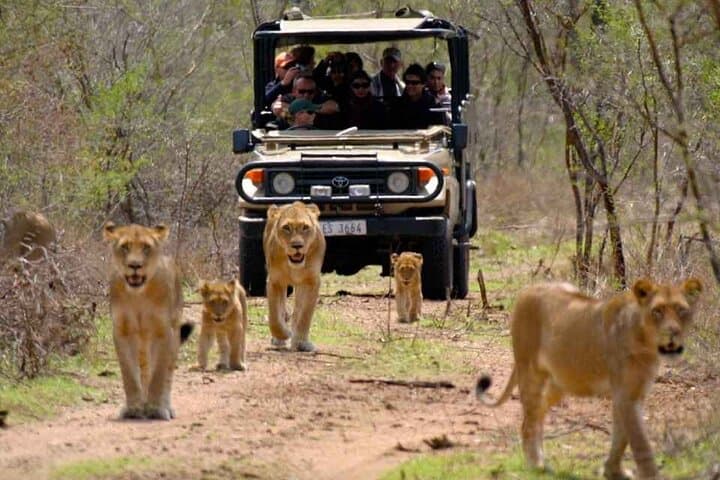
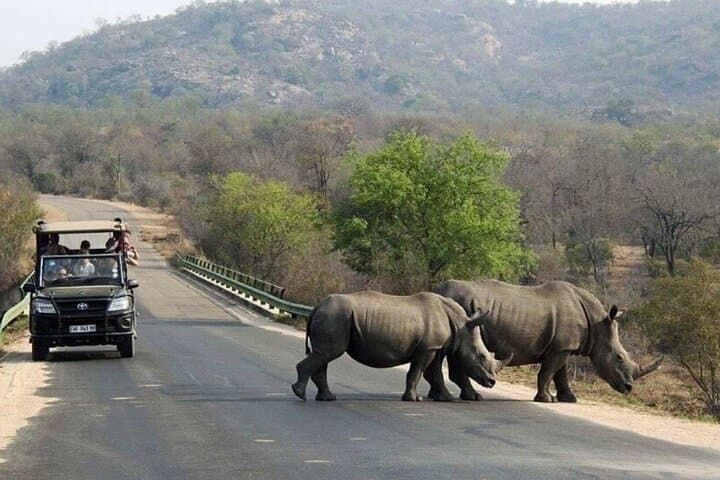

A morning light filters through acacia branches as the safari vehicle eases onto the dusty track at Tala Game Reserve, the grasslands stretching like a bronze sea. Guides scan the horizon; a tower of giraffe silhouettes moves deliberately, while waterlogged pools mirror a chorus of waders. The drive balances close encounters with quiet observation — rhino bedded in shade, zebra milling at the grassline, hippo yawning at the water’s edge.
A morning light filters through acacia branches as the safari vehicle eases onto the dusty track at Tala Game Reserve, the grasslands stretching like a bronze sea. Guides scan the horizon; a tower of giraffe silhouettes moves deliberately, while waterlogged pools mirror a chorus of waders. The drive balances close encounters with quiet observation — rhino bedded in shade, zebra milling at the grassline, hippo yawning at the water’s edge.
Tala sits within KwaZulu‑Natal’s mixed grassland and wetland belt, a privately managed reserve born from conservation and community land-use shifts in the late 20th century. The geology here is gentle—rolling hills of Natal Group sandstones that cradle seasonal pans—and the culture is a blend of Zulu rural life and Durban’s urban pulse. Nearby Natal Park (Lion Park/Natal Wildlife Viewing) focuses on larger species, including resident elephants that offer an up-close counterpoint to Tala’s plains game.
Practical guidance: this is a vehicle-based half-day excursion ideal for photographers and families short on time. Expect 3–6 hours including transfers from Durban, bumpy gravel tracks, and open-sided viewing for unobstructed sightlines. Bring binoculars, a camera with a zoom lens, sun protection, and a refillable water bottle. Mornings tend to be cooler and more active for wildlife; midday sightings can be sparser as animals rest.
Respect viewing distances, follow guide instructions, and leave no trace—these reserves rely on low-impact tourism to sustain habitat and anti-poaching efforts. The result is a compact, accessible safari that delivers the drama of KwaZulu‑Natal’s wildlife in a single, efficient outing.