THE ADVENTURE COLLECTIVE® · Independent discovery and booking for outdoor travel

A full-day guided tour through three of Durban’s prime birding spots — Pigeon Valley, Durban Botanic Gardens and Umhlanga Lagoon — that showcases coastal forest, botanic lakes and estuarine habitat. Ideal for beginners and experienced birders alike.
A full-day guided tour through three of Durban’s prime birding spots — Pigeon Valley, Durban Botanic Gardens and Umhlanga Lagoon — that showcases coastal forest, botanic lakes and estuarine habitat. Ideal for beginners and experienced birders alike.
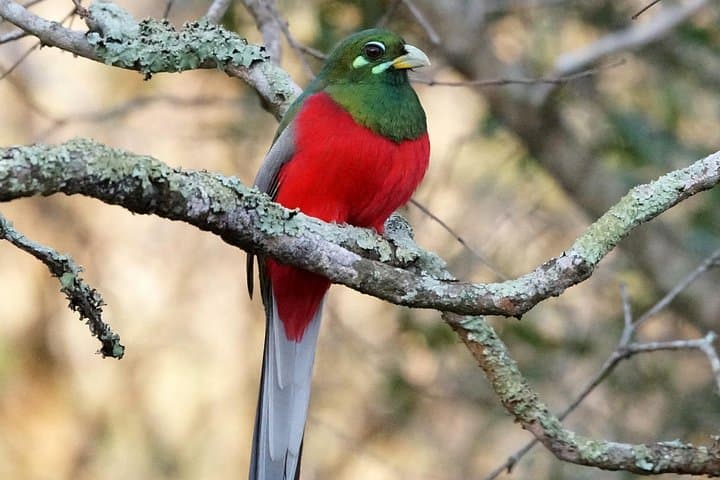
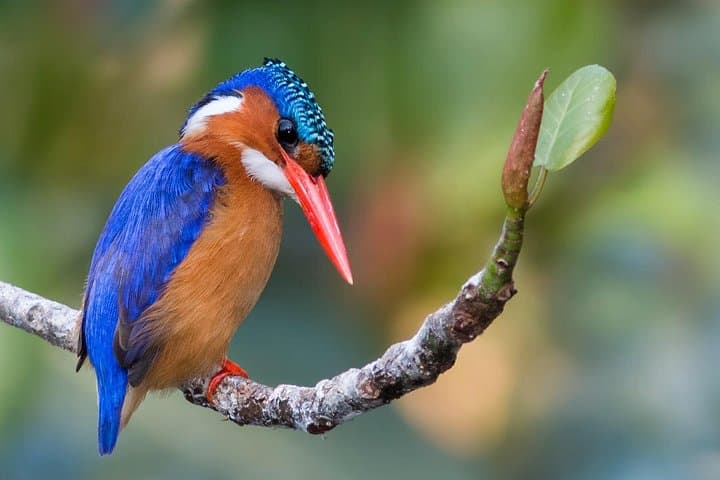
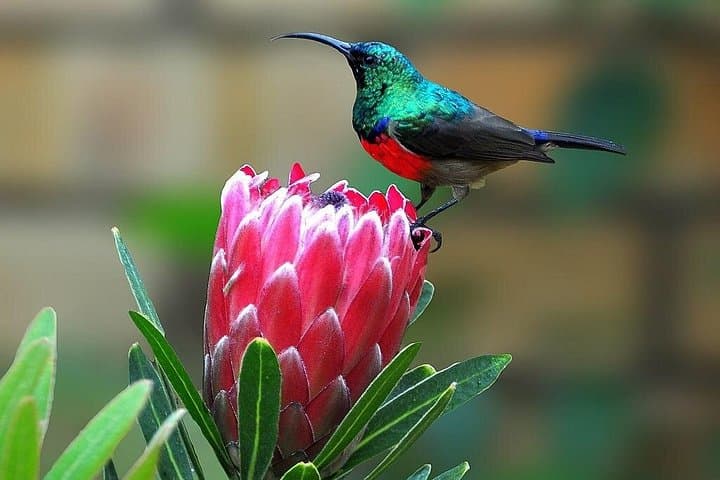
You step off an air-conditioned minibus and the city noise thins to bird calls — a clipped call from the canopy, the rustle of a ground thrush in leaf litter. The Durban Birdwatching Tour threads three distinct green pockets across the city: the compact coastal forest of Pigeon Valley, the sprawling Durban Botanic Gardens, and the tidal edge of Umhlanga Lagoon.
Verified experiences and guided adventures in the surrounding area.
Operated by 1st Zulu Safaris · Durban, KwaZulu-Natal
You step off an air-conditioned minibus and the city noise thins to bird calls — a clipped call from the canopy, the rustle of a ground thrush in leaf litter. The Durban Birdwatching Tour threads three distinct green pockets across the city: the compact coastal forest of Pigeon Valley, the sprawling Durban Botanic Gardens, and the tidal edge of Umhlanga Lagoon.
Pigeon Valley preserves a remnant of coastal lowland forest and the uncommon Natal Elm; the reserve’s history ties back to 19th-century naturalists who recorded the Eastern Bronze-naped Pigeon here. Durban Botanic Gardens, one of Africa’s oldest botanical institutions, displays plantings from across South Africa and the tropics, while Umhlanga Lagoon’s dune forest and estuary reveal the ebb-and-flow ecology of the coast.
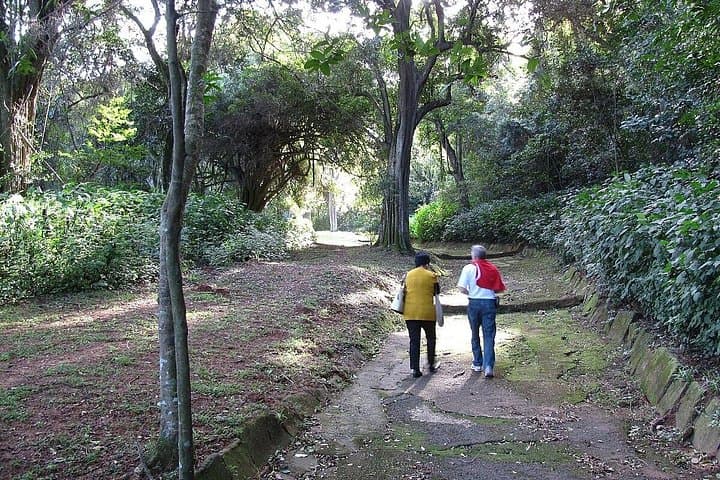
Expect habitat changes within the day: closed-canopy forest for skulking species, open lawns and lakeside reedbeds for raptors and waterbirds, and a short boardwalk through dune forest at the lagoon. Guides point out field marks — tail pattern, flight silhouette, preferred perch — and you’ll learn local names and migration rhythms.
Practical edge: this is a full-day, mostly low-impact outing (6–8 hours). Bring binoculars, layered clothing for coastal wind and sun, and a charged camera or phone with a bird ID app. Walks are gentle but include uneven forest paths and a short boardwalk; accessible options depend on reserve facilities. Morning light is best for activity and photos, and guides time visits to minimize traffic and maximize quiet. Stay on paths, keep voices low, and be ready for close looks at species that make Durban a top birding stop on the KwaZulu-Natal coast.
easy.
6–8 hours.
Suitable for most fitness levels; involves gentle walking on uneven forest trails and short boardwalks
Most departures include hotel or cruise-ship pickup in Durban; exact pickup point and time are provided at booking.
Yes — the tour is rated physically easy and designed for a wide range of abilities; children who can walk the trails and stay quiet will enjoy sightings.
The tour price covers fees and taxes as stated in the inclusions; confirm specifics with your operator at booking.
Yes — photography is allowed; bring a telephoto lens or use your phone with binoculars for better framing, and avoid flash near nesting areas.
Pigeon Valley preserves a remnant of coastal forest recorded by 19th-century naturalists; Durban Botanic Gardens dates to the mid-1800s and is one of Africa’s oldest botanical gardens.
These reserves protect fragmented coastal forest, dune and estuarine habitats — staying on trails, avoiding litter, and following guide instructions helps reduce disturbance and supports ongoing restoration.
1st Zulu Safaris operates guided outdoor trips and adventures with an emphasis on safety, stewardship, and memorable experiences.
You step off an air-conditioned minibus and the city noise thins to bird calls — a clipped call from the canopy, the rustle of a ground thrush in leaf litter. The Durban Birdwatching Tour threads three distinct green pockets across the city: the compact coastal forest of Pigeon Valley, the sprawling Durban Botanic Gardens, and the tidal edge of Umhlanga Lagoon.
You step off an air-conditioned minibus and the city noise thins to bird calls — a clipped call from the canopy, the rustle of a ground thrush in leaf litter. The Durban Birdwatching Tour threads three distinct green pockets across the city: the compact coastal forest of Pigeon Valley, the sprawling Durban Botanic Gardens, and the tidal edge of Umhlanga Lagoon.
Pigeon Valley preserves a remnant of coastal lowland forest and the uncommon Natal Elm; the reserve’s history ties back to 19th-century naturalists who recorded the Eastern Bronze-naped Pigeon here. Durban Botanic Gardens, one of Africa’s oldest botanical institutions, displays plantings from across South Africa and the tropics, while Umhlanga Lagoon’s dune forest and estuary reveal the ebb-and-flow ecology of the coast.
Expect habitat changes within the day: closed-canopy forest for skulking species, open lawns and lakeside reedbeds for raptors and waterbirds, and a short boardwalk through dune forest at the lagoon. Guides point out field marks — tail pattern, flight silhouette, preferred perch — and you’ll learn local names and migration rhythms.
Practical edge: this is a full-day, mostly low-impact outing (6–8 hours). Bring binoculars, layered clothing for coastal wind and sun, and a charged camera or phone with a bird ID app. Walks are gentle but include uneven forest paths and a short boardwalk; accessible options depend on reserve facilities. Morning light is best for activity and photos, and guides time visits to minimize traffic and maximize quiet. Stay on paths, keep voices low, and be ready for close looks at species that make Durban a top birding stop on the KwaZulu-Natal coast.