THE ADVENTURE COLLECTIVE® · Independent discovery and booking for outdoor travel

Walk Dupont Circle’s tree-lined streets and Embassy Row’s grand façades on a two-hour guided tour that mixes Gilded Age intrigue with diplomatic history. Learn where the city’s wealthy set lived, which homes now host embassies, and how architects shaped Washington’s identity.
Walk Dupont Circle’s tree-lined streets and Embassy Row’s grand façades on a two-hour guided tour that mixes Gilded Age intrigue with diplomatic history. Learn where the city’s wealthy set lived, which homes now host embassies, and how architects shaped Washington’s identity.
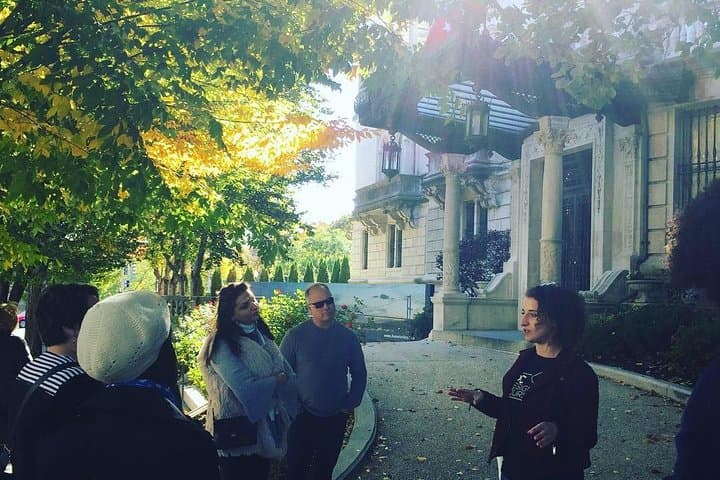
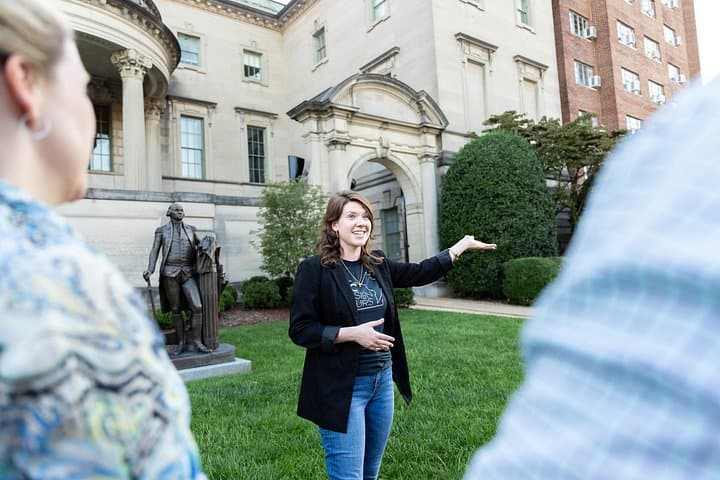
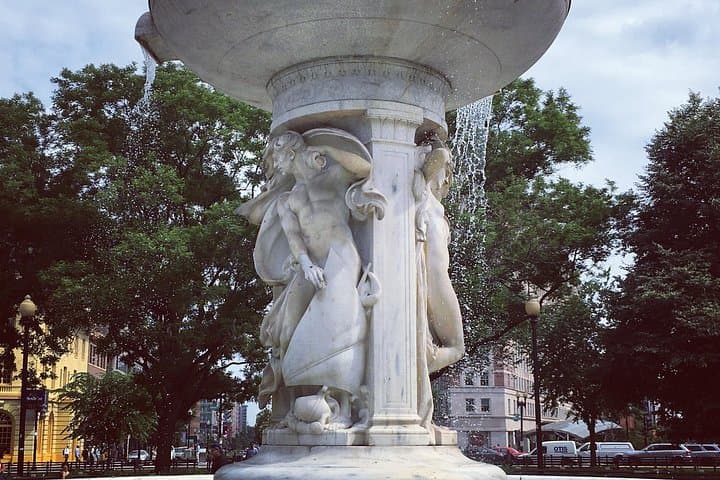
You step out onto the circular plaza and the fountain throws a steady arc of water into the air, a public compass at the heart of Dupont Circle. Tree-lined avenues push shade across brick sidewalks while façades—neoclassical porticos, Beaux-Arts mansions, and Queen Anne turrets—stand like chapters in a city's social history.
Verified experiences and guided adventures in the surrounding area.
Operated by DC Design Tours · Washington, DC
You step out onto the circular plaza and the fountain throws a steady arc of water into the air, a public compass at the heart of Dupont Circle. Tree-lined avenues push shade across brick sidewalks while façades—neoclassical porticos, Beaux-Arts mansions, and Queen Anne turrets—stand like chapters in a city's social history.
This two-hour walk traces Massachusetts Avenue’s Embassy Row and the surrounding neighborhood, where Washington moved from rural outskirts to a center of power in the late 19th and early 20th centuries. Expect stories of Gilded Age fortunes, political salons, and scandals—Alice Roosevelt Longworth’s sharp wit, Evalyn Walsh McLean’s famous Hope Diamond—and buildings repurposed as embassies and institutions. Geology here matters less than urban design: the gentle rise of Sheridan Circle and the city’s grid create vantage points that frame grand façades and small pocket parks.
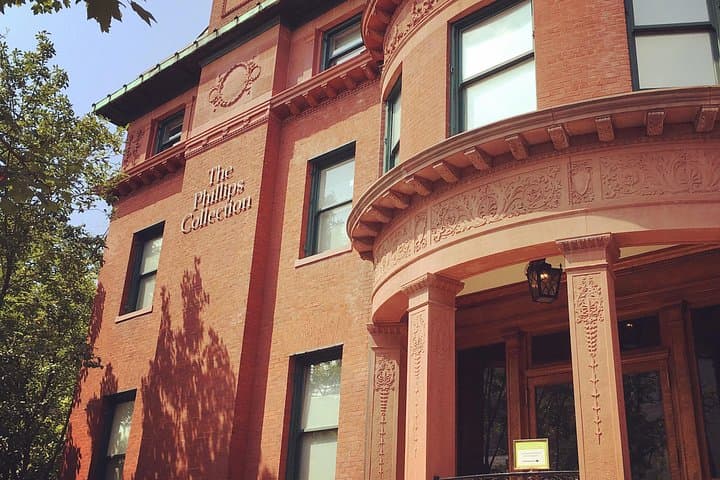
Culturally, Dupont has been a hub for artists, diplomats, and independent bookstores; the Phillips Collection and several private residences opened doors to modern art in the U.S. Preservation rules now protect many exteriors, so tours often focus on public history, plaques, and the human stories behind the stone.
Practical guidance: the tour meets at the Dupont Circle Fountain, uses mostly flat paved sidewalks, and runs about two hours with frequent stops. Bring comfortable walking shoes, a refillable water bottle, and a lightweight layer—summer heat and sudden spring showers are both common. Morning or late-afternoon slots avoid the warmest hours and let shadows emphasize architectural detail.
easy.
2 hours.
Suitable for most fitness levels; you should be able to stand and walk on paved city sidewalks for two hours.
The tour runs approximately two hours with several short stops and walking between points of interest.
Meet at the Dupont Circle Fountain in the center of the circle — it’s the stated meeting place and near public transit.
Yes; the route uses paved sidewalks and is listed as wheelchair and stroller accessible, though some historic sites are viewed from the street.
No — this is an exterior architecture and history tour; visits inside private homes or museums are not included unless specified.
Dupont Circle evolved from a late-19th-century residential district into Embassy Row as wealthy Americans built grand townhouses and foreign missions later repurposed many of them as diplomatic headquarters.
Historic-preservation rules help protect façades and streetscapes; visitors are encouraged to respect private property, use established walkways, and minimize noise near residences.
DC Design Tours operates guided outdoor trips and adventures with an emphasis on safety, stewardship, and memorable experiences.
You step out onto the circular plaza and the fountain throws a steady arc of water into the air, a public compass at the heart of Dupont Circle. Tree-lined avenues push shade across brick sidewalks while façades—neoclassical porticos, Beaux-Arts mansions, and Queen Anne turrets—stand like chapters in a city's social history.
You step out onto the circular plaza and the fountain throws a steady arc of water into the air, a public compass at the heart of Dupont Circle. Tree-lined avenues push shade across brick sidewalks while façades—neoclassical porticos, Beaux-Arts mansions, and Queen Anne turrets—stand like chapters in a city's social history.
This two-hour walk traces Massachusetts Avenue’s Embassy Row and the surrounding neighborhood, where Washington moved from rural outskirts to a center of power in the late 19th and early 20th centuries. Expect stories of Gilded Age fortunes, political salons, and scandals—Alice Roosevelt Longworth’s sharp wit, Evalyn Walsh McLean’s famous Hope Diamond—and buildings repurposed as embassies and institutions. Geology here matters less than urban design: the gentle rise of Sheridan Circle and the city’s grid create vantage points that frame grand façades and small pocket parks.
Culturally, Dupont has been a hub for artists, diplomats, and independent bookstores; the Phillips Collection and several private residences opened doors to modern art in the U.S. Preservation rules now protect many exteriors, so tours often focus on public history, plaques, and the human stories behind the stone.
Practical guidance: the tour meets at the Dupont Circle Fountain, uses mostly flat paved sidewalks, and runs about two hours with frequent stops. Bring comfortable walking shoes, a refillable water bottle, and a lightweight layer—summer heat and sudden spring showers are both common. Morning or late-afternoon slots avoid the warmest hours and let shadows emphasize architectural detail.