THE ADVENTURE COLLECTIVE® · Independent discovery and booking for outdoor travel

Cliff-top ruins, glacial valleys and royal retreat: this small-group day tour from Aberdeen pairs the dramatic Dunnottar Castle with the quiet grandeur of Royal Deeside. Expect long coastal views, historic storytelling, and practical guidance for variable Highland weather.
Cliff-top ruins, glacial valleys and royal retreat: this small-group day tour from Aberdeen pairs the dramatic Dunnottar Castle with the quiet grandeur of Royal Deeside. Expect long coastal views, historic storytelling, and practical guidance for variable Highland weather.
You step off the coach at a wind-scoured layby and the sea takes the first breath. Salt cuts the air; the North Sea pulls at the grass below your feet as if daring you to get closer. Ahead, Dunnottar Castle crouches on a black basalt headland — a jagged silhouette of ramparts and ruins where gulls wheel like loose coins. The town of Stonehaven, squat and practical, keeps one eye on the waves and another on the castle that has guarded these shores for centuries.
Verified experiences and guided adventures in the surrounding area.
Operated by Rabbies Trail Burners · Stonehaven, Aberdeenshire
You step off the coach at a wind-scoured layby and the sea takes the first breath. Salt cuts the air; the North Sea pulls at the grass below your feet as if daring you to get closer. Ahead, Dunnottar Castle crouches on a black basalt headland — a jagged silhouette of ramparts and ruins where gulls wheel like loose coins. The town of Stonehaven, squat and practical, keeps one eye on the waves and another on the castle that has guarded these shores for centuries.
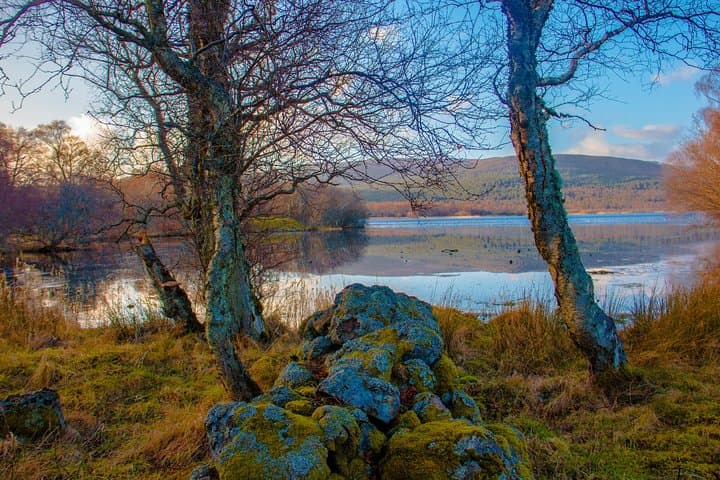
Dunnottar’s stones are not decorative; they are functional, worked and reworked through sieges, royal intrigue and the fog of the seventeenth century when the Honours of Scotland were secreted here from Cromwell’s troops. Travel inland along the River Dee and Royal Deeside opens like a different country: soft hills, ancient pinewoods, and the low, buttoned profile of the Cairngorms. Balmoral looms as both private home and public myth — a place that shaped modern ideas about Scottish Highland life.
Geology and weather are the silent sculptors. The cliff that supports Dunnottar is volcanic in origin; waves and frost finish the details. Deeside’s glaciated valleys funnel clear water and create the steep, folded landscapes that draw walkers and anglers. Local culture is brazenly practical — pubs that roast venison, distilleries that do the talking through peat and oak, and crofters whose maps are made of fence lines and sheep tracks.
On a small-group tour from Aberdeen you get both spectacle and context: a guided walk around Dunnottar’s perimeter, a stop at tumbling waterfalls, and time to breathe the Deeside air while a driver-guide fills gaps in the story. The day is long — expect nine hours including travel — and weather here will change its mind often. Sturdy footwear and layers make the difference between a memorable day and a damp one.
Practical choices matter. Bring cash or card if you want to buy an entry ticket at Dunnottar — the tour reserves spots but the on-site purchase may still be required. There are sections of uneven stone and short climbs; children over five can join but keep them close near cliff edges. Photography rewards early light and moody skies; if you want to linger at quieter viewpoints, arrive ready to walk beyond the main crowds.
This tour is at its best when matched to good planning: comfortable shoes, a waterproof layer, and a curiosity about the human stories buried in the ruins. When the wind pushes, the land pushes back — and the result is a day that feels distinctively, uncompromisingly Scottish.
easy.
9 hours.
Basic fitness for several short walks and stair climbs; comfortable walking and balance required.
The tour reserves tickets but asks you to complete payment for admission while on the tour; bring card or small cash to do this.
The full day runs about nine hours round-trip from Aberdeen and includes transport, a driver-guide, and stops at Dunnottar and Royal Deeside landmarks; castle entry is not included in the base fare.
Yes — it is rated suitable for most fitness levels, but children under 5 are not permitted and the castle has exposed cliff sections that may be unsuitable for those with limited mobility.
Layered clothing, a waterproof shell, and sturdy shoes are recommended; weather is changeable and coastal winds can be strong.
There are short stops where you can buy snacks and meals in towns like Stonehaven; bringing a packed lunch is also a reliable option.
If Dunnottar Castle is closed (seasonal closures happen), the itinerary reallocates time to other scenic stops and provides a photo stop of the exterior.
Dunnottar guarded Scotland’s crown jewels during the seventeenth century and Royal Deeside became the royal family’s favored retreat after Balmoral was remodelled in the 19th century.
Coastal erosion and footpath wear are concerns; stick to marked trails, carry out litter, and respect farmland and breeding seabirds.
Rabbies Trail Burners operates guided outdoor trips and adventures with an emphasis on safety, stewardship, and memorable experiences.
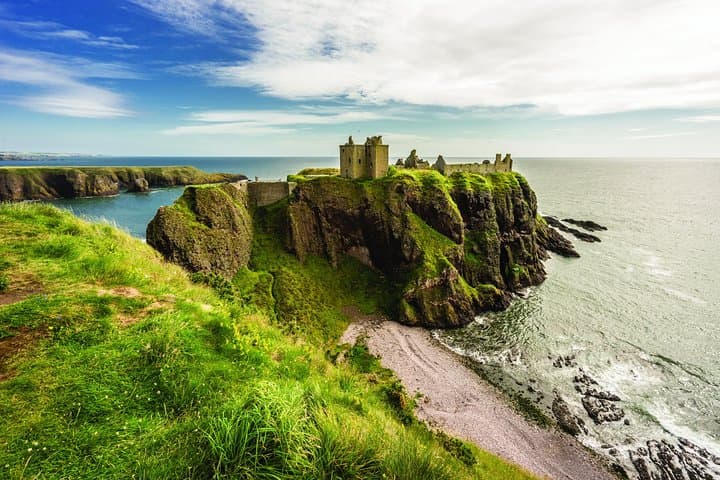


You step off the coach at a wind-scoured layby and the sea takes the first breath. Salt cuts the air; the North Sea pulls at the grass below your feet as if daring you to get closer. Ahead, Dunnottar Castle crouches on a black basalt headland — a jagged silhouette of ramparts and ruins where gulls wheel like loose coins. The town of Stonehaven, squat and practical, keeps one eye on the waves and another on the castle that has guarded these shores for centuries.
You step off the coach at a wind-scoured layby and the sea takes the first breath. Salt cuts the air; the North Sea pulls at the grass below your feet as if daring you to get closer. Ahead, Dunnottar Castle crouches on a black basalt headland — a jagged silhouette of ramparts and ruins where gulls wheel like loose coins. The town of Stonehaven, squat and practical, keeps one eye on the waves and another on the castle that has guarded these shores for centuries.
Dunnottar’s stones are not decorative; they are functional, worked and reworked through sieges, royal intrigue and the fog of the seventeenth century when the Honours of Scotland were secreted here from Cromwell’s troops. Travel inland along the River Dee and Royal Deeside opens like a different country: soft hills, ancient pinewoods, and the low, buttoned profile of the Cairngorms. Balmoral looms as both private home and public myth — a place that shaped modern ideas about Scottish Highland life.
Geology and weather are the silent sculptors. The cliff that supports Dunnottar is volcanic in origin; waves and frost finish the details. Deeside’s glaciated valleys funnel clear water and create the steep, folded landscapes that draw walkers and anglers. Local culture is brazenly practical — pubs that roast venison, distilleries that do the talking through peat and oak, and crofters whose maps are made of fence lines and sheep tracks.
On a small-group tour from Aberdeen you get both spectacle and context: a guided walk around Dunnottar’s perimeter, a stop at tumbling waterfalls, and time to breathe the Deeside air while a driver-guide fills gaps in the story. The day is long — expect nine hours including travel — and weather here will change its mind often. Sturdy footwear and layers make the difference between a memorable day and a damp one.
Practical choices matter. Bring cash or card if you want to buy an entry ticket at Dunnottar — the tour reserves spots but the on-site purchase may still be required. There are sections of uneven stone and short climbs; children over five can join but keep them close near cliff edges. Photography rewards early light and moody skies; if you want to linger at quieter viewpoints, arrive ready to walk beyond the main crowds.
This tour is at its best when matched to good planning: comfortable shoes, a waterproof layer, and a curiosity about the human stories buried in the ruins. When the wind pushes, the land pushes back — and the result is a day that feels distinctively, uncompromisingly Scottish.