THE ADVENTURE COLLECTIVE® · Independent discovery and booking for outdoor travel

Explore the Mogao Grottoes with guided access to three additional, normally closed caves after a pair of preparatory films at the Digital Exhibition Center. This full-day private tour blends Silk Road history, fragile mural conservation, and hands-on interpretation.
Explore the Mogao Grottoes with guided access to three additional, normally closed caves after a pair of preparatory films at the Digital Exhibition Center. This full-day private tour blends Silk Road history, fragile mural conservation, and hands-on interpretation.
You arrive at the Mogao complex just after the desert light has softened; a wind from the dunes nudges the courtyard flags and the air smells faintly of sand and old plaster. The day opens with a pair of films in the Digital Exhibition Center — a close, modern lens on Dunhuang’s position on the Silk Road and a 360° walkthrough that prepares you for the cave interiors ahead.
Verified experiences and guided adventures in the surrounding area.
Operated by Silk Road Angel Tours · Dunhuang, Gansu
You arrive at the Mogao complex just after the desert light has softened; a wind from the dunes nudges the courtyard flags and the air smells faintly of sand and old plaster. The day opens with a pair of films in the Digital Exhibition Center — a close, modern lens on Dunhuang’s position on the Silk Road and a 360° walkthrough that prepares you for the cave interiors ahead.
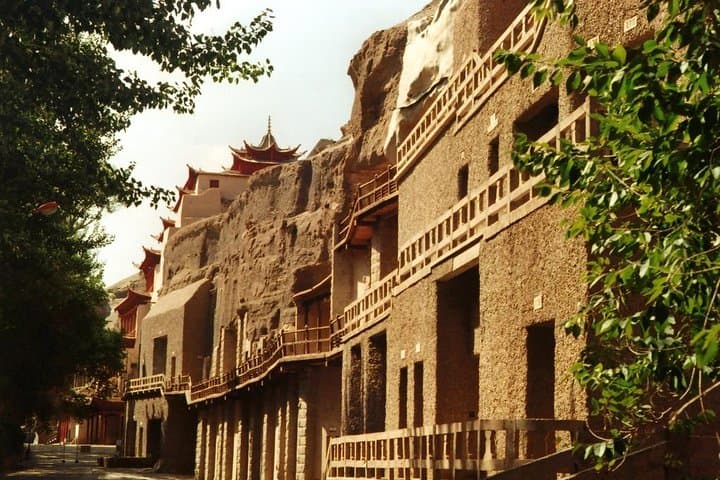
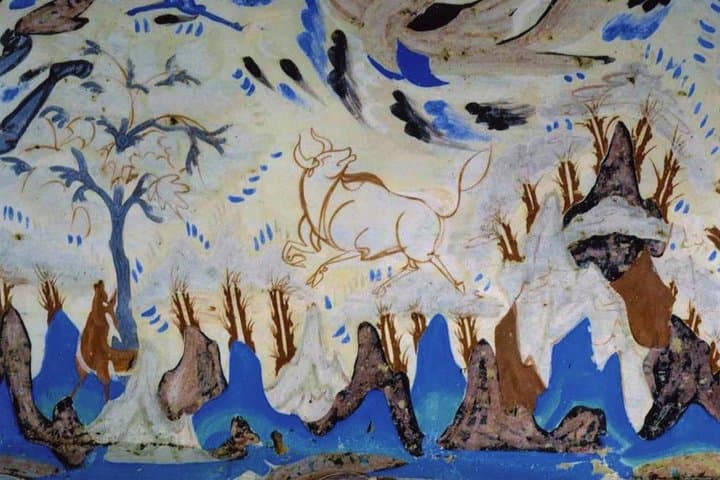
The Mogao Grottoes are a layered archive of Buddhist art carved from the cliff face between the 4th and 14th centuries. Paint pigments, clay sculptures and patron inscriptions reveal changing styles from early flat, austere figures to the full-color Tang dynasty murals. Geology here is plain but decisive: wind-carved loess and compacted sandstones created cliffs soft enough to carve but fragile enough to need strict visitor controls.
Culturally, visits are a guided choreography — timed groups, quiet voices, and no-flash photography to protect pigments. In the afternoon your guide leads you into three “special” caves closed to general admission; these offer a rarer look at restoration layers, donor inscriptions, or sculpture details depending on which period you request.
Practical notes: the day is long but low-impact — expect walking on paved and dirt surfaces, some stairs, and interior dim lighting. Bring a passport (required for ticketing), sun protection for the dry courtyard, and comfortable shoes. Plan to book well in advance and leave room in your schedule for the Digital Center screening and the guided cave rotations.
easy.
8 hours.
Suitable for most fitness levels; requires repeated short walks, standing during guided talks, and some stair climbing.
The standard itinerary includes eight caves in the morning with the general guided group, plus three additional special caves in the afternoon selected based on your period interest.
Yes — when booking specify whether you prefer early-period, Tang dynasty, paintings-focused, or sculpture-focused caves and guides will prioritize appropriate special caves when available.
The site lists wheelchair-accessible areas and transport; however many historic cave interiors involve stairs and narrow passages, so accessibility may be limited inside certain caves.
Photography is often restricted and flash is universally banned to protect pigments; ask your guide for cave-specific rules before shooting.
Mogao developed as a major Buddhist cave complex on the Silk Road between the 4th and 14th centuries, accumulating murals and sculptures through patronage across dynasties.
Strict visitor caps, guided-only cave entry, and no-flash photo policies are enforced to slow pigment degradation; restoration is ongoing and access to some caves remains limited for preservation.
Silk Road Angel Tours operates guided outdoor trips and adventures with an emphasis on safety, stewardship, and memorable experiences.


You arrive at the Mogao complex just after the desert light has softened; a wind from the dunes nudges the courtyard flags and the air smells faintly of sand and old plaster. The day opens with a pair of films in the Digital Exhibition Center — a close, modern lens on Dunhuang’s position on the Silk Road and a 360° walkthrough that prepares you for the cave interiors ahead.
You arrive at the Mogao complex just after the desert light has softened; a wind from the dunes nudges the courtyard flags and the air smells faintly of sand and old plaster. The day opens with a pair of films in the Digital Exhibition Center — a close, modern lens on Dunhuang’s position on the Silk Road and a 360° walkthrough that prepares you for the cave interiors ahead.
The Mogao Grottoes are a layered archive of Buddhist art carved from the cliff face between the 4th and 14th centuries. Paint pigments, clay sculptures and patron inscriptions reveal changing styles from early flat, austere figures to the full-color Tang dynasty murals. Geology here is plain but decisive: wind-carved loess and compacted sandstones created cliffs soft enough to carve but fragile enough to need strict visitor controls.
Culturally, visits are a guided choreography — timed groups, quiet voices, and no-flash photography to protect pigments. In the afternoon your guide leads you into three “special” caves closed to general admission; these offer a rarer look at restoration layers, donor inscriptions, or sculpture details depending on which period you request.
Practical notes: the day is long but low-impact — expect walking on paved and dirt surfaces, some stairs, and interior dim lighting. Bring a passport (required for ticketing), sun protection for the dry courtyard, and comfortable shoes. Plan to book well in advance and leave room in your schedule for the Digital Center screening and the guided cave rotations.