THE ADVENTURE COLLECTIVE® · Independent discovery and booking for outdoor travel

Spend six hours along the Otago Peninsula from Dunedin to Taiaroa Head, combining coastal viewpoints with guided visits to The OPERA reserve and Royal Albatross Centre for close encounters with hoiho, kororā, seals and seabirds.
Spend six hours along the Otago Peninsula from Dunedin to Taiaroa Head, combining coastal viewpoints with guided visits to The OPERA reserve and Royal Albatross Centre for close encounters with hoiho, kororā, seals and seabirds.
The morning light hits the Otago Peninsula like an alert: cliffs thrown into relief, sea spray daring you to step closer. On this private, six‑hour circuit you roll away from Dunedin’s stone railway station, climb Signal Hill for a harbor vista, and follow a coastal spine to Taiaroa Head where the Royal Albatross visitors’ center perches above churning blue.
Verified experiences and guided adventures in the surrounding area.
Operated by Top Private Tours New Zealand · Dunedin, Otago
The morning light hits the Otago Peninsula like an alert: cliffs thrown into relief, sea spray daring you to step closer. On this private, six‑hour circuit you roll away from Dunedin’s stone railway station, climb Signal Hill for a harbor vista, and follow a coastal spine to Taiaroa Head where the Royal Albatross visitors’ center perches above churning blue.
The peninsula is volcanic in origin — the eroded rim of the ancient Dunedin Volcano — and its geology carves a coastline of rugged headlands, sheltered bays, and nesting ledges. Māori and later European settlers shaped local culture here: whaling and farming histories echo in place names and community museums back in Dunedin.
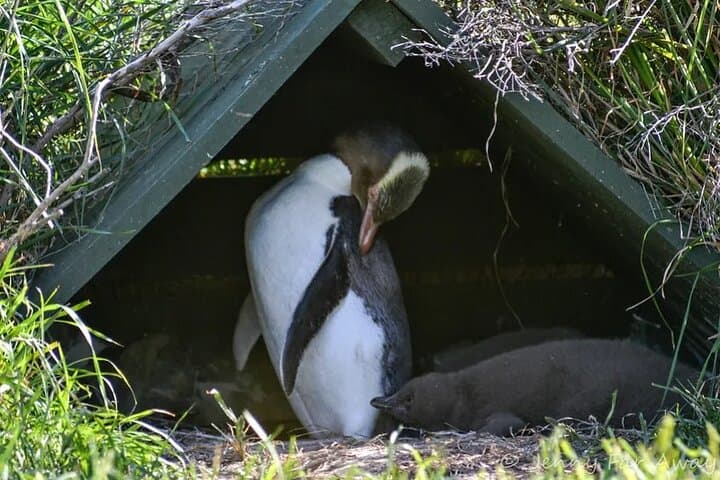
At The OPERA reserve, the work is hands‑on and visible. Guides explain rehabilitation for hoiho (yellow‑eyed penguins), kororā (little blue penguins), and visiting fur seals and sea lions, then lead you on quiet tracks where seabirds patrol the wind. The birds move with purpose; the albatross seems indifferent to your presence yet commands attention.
Practical edge: expect short, uneven walks on coastal tracks and boardwalks, and wind that changes outfits as fast as the light. The tour includes hotel or port pickup and is suitable for most fitness levels, but wildlife viewing depends on season and animal welfare protocols — patience and silence pay off. Bring windproof layers, binoculars, and a camera (no flash). Aim for morning light for the best photos and listen to your guide — they know where the animals are and how to see them without disturbing them.
easy.
6 hours.
Suitable for people with basic mobility; involves short walks on uneven ground and steps.
No—wildlife sightings depend on season, weather, and animal behavior; guides maximize viewing chances but cannot guarantee encounters.
The tour includes time at the Royal Albatross visitors’ centre; some exhibits are free, but check if special guided albatross viewing sessions have separate fees.
Yes; the tour is rated easy and suitable for most ages, but expect short walks on uneven terrain—strollers may be impractical.
Light snacks and water are recommended; the tour is six hours and may include a short stop for refreshments in Dunedin or at a café on the peninsula.
The Otago Peninsula is the eroded rim of the Miocene Dunedin Volcano; European whaling and Māori settlement both shaped the human history of the coast.
The OPERA and Royal Albatross Centre run rehabilitation and monitoring programs—visitors are asked to minimize disturbance and follow biosecurity guidance to protect nesting birds.
Top Private Tours New Zealand operates guided outdoor trips and adventures with an emphasis on safety, stewardship, and memorable experiences.
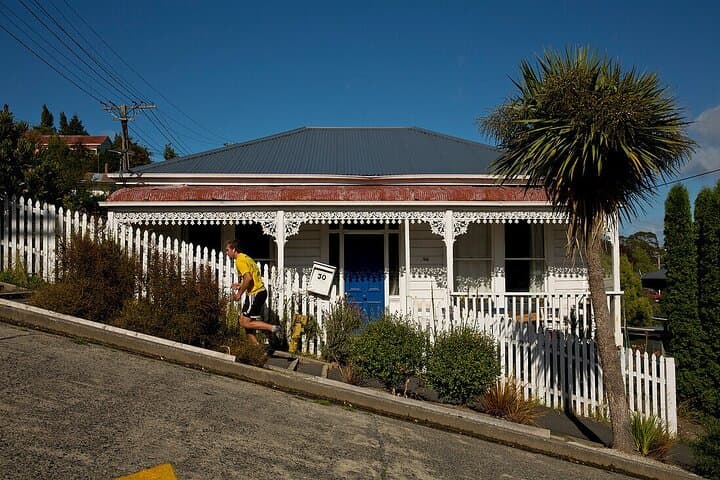
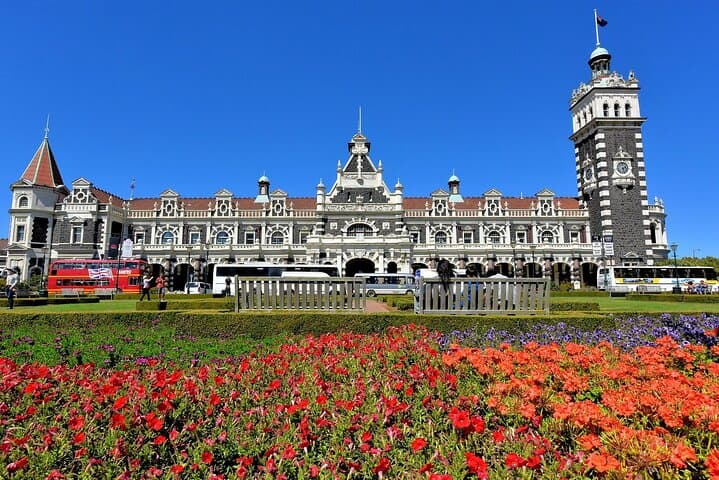
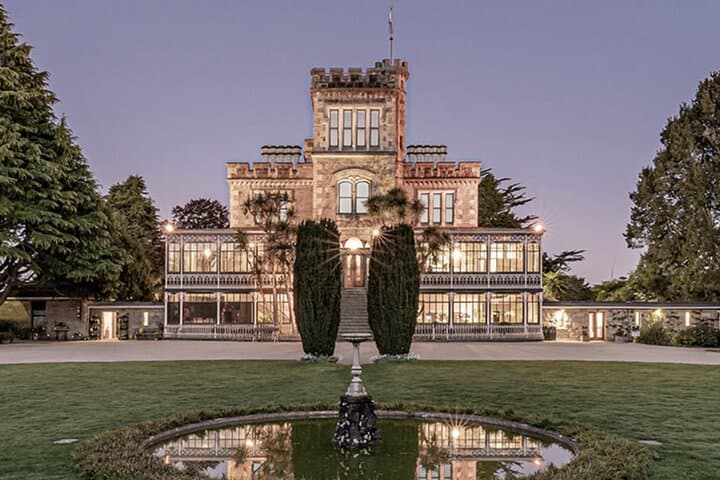
The morning light hits the Otago Peninsula like an alert: cliffs thrown into relief, sea spray daring you to step closer. On this private, six‑hour circuit you roll away from Dunedin’s stone railway station, climb Signal Hill for a harbor vista, and follow a coastal spine to Taiaroa Head where the Royal Albatross visitors’ center perches above churning blue.
The morning light hits the Otago Peninsula like an alert: cliffs thrown into relief, sea spray daring you to step closer. On this private, six‑hour circuit you roll away from Dunedin’s stone railway station, climb Signal Hill for a harbor vista, and follow a coastal spine to Taiaroa Head where the Royal Albatross visitors’ center perches above churning blue.
The peninsula is volcanic in origin — the eroded rim of the ancient Dunedin Volcano — and its geology carves a coastline of rugged headlands, sheltered bays, and nesting ledges. Māori and later European settlers shaped local culture here: whaling and farming histories echo in place names and community museums back in Dunedin.
At The OPERA reserve, the work is hands‑on and visible. Guides explain rehabilitation for hoiho (yellow‑eyed penguins), kororā (little blue penguins), and visiting fur seals and sea lions, then lead you on quiet tracks where seabirds patrol the wind. The birds move with purpose; the albatross seems indifferent to your presence yet commands attention.
Practical edge: expect short, uneven walks on coastal tracks and boardwalks, and wind that changes outfits as fast as the light. The tour includes hotel or port pickup and is suitable for most fitness levels, but wildlife viewing depends on season and animal welfare protocols — patience and silence pay off. Bring windproof layers, binoculars, and a camera (no flash). Aim for morning light for the best photos and listen to your guide — they know where the animals are and how to see them without disturbing them.