THE ADVENTURE COLLECTIVE® · Independent discovery and booking for outdoor travel

Walk Dunedin’s inner city with a guide who traces true-crime episodes through Victorian prisons, the 1906 railway station and narrow lanes where dark stories unfolded. This 60–90 minute tour blends civic history and hard-edged anecdotes with accessible urban walking.
Walk Dunedin’s inner city with a guide who traces true-crime episodes through Victorian prisons, the 1906 railway station and narrow lanes where dark stories unfolded. This 60–90 minute tour blends civic history and hard-edged anecdotes with accessible urban walking.
A drizzle sharpens the edges of stone and metal as you step from George Street into a web of narrow lanes where lamp posts and old brick dare you to look closer. The guide leads you past a double-ended Fairlie steam engine, through the shadow of the gothic-era prison and along the tiled face of the 1906 Flemish Renaissance railway station — each stop a chapter in a city that grew fast, loud and sometimes violent.
Verified experiences and guided adventures in the surrounding area.
Operated by Tales From Darkest Dunedin · Dunedin, Otago
A drizzle sharpens the edges of stone and metal as you step from George Street into a web of narrow lanes where lamp posts and old brick dare you to look closer. The guide leads you past a double-ended Fairlie steam engine, through the shadow of the gothic-era prison and along the tiled face of the 1906 Flemish Renaissance railway station — each stop a chapter in a city that grew fast, loud and sometimes violent.
Dunedin began as a Scottish-settled port that swelled during the Otago Gold Rush; its compact inner city preserves Victorian civic ambition, convict-built terraces and the scar of Bell Hill, quarried by prisoner labour to make room for growth. Geology and harbor shaped routes and working quarters; the Octagon and Queen’s Gardens sit where commerce and recreation met. Cultural threads — Scottish Presbyterian institutions, early rail links, and the maritime economy — surface in the architecture and the stories told in these lanes.
The tour is a brisk 60–90 minute urban walk, heavy on anecdotes and discrete locations rather than long reads: Toitū points, prison and courthouse, the railway station, Stuart Street up to the Octagon, and George Street endings. Practicalities matter: the route is largely paved and wheelchair-accessible but expect steps and narrow lanes; weather turns quickly in Otago, so layers and rain protection are wise. Bring a charged phone and comfortable shoes, and plan arrival by bus or a short taxi — city parking is limited.
If you want history with a hard edge, this tour pairs accessible urban sightseeing with real, sometimes brutal, stories where they happened.
easy.
60–90 minutes.
Suitable for most fitness levels; requires standing and short walking intervals over paved city streets.
The route runs through Dunedin’s inner city—stops include Toitū/Toitū Otago Settlers Museum viewpoints, the old prison area, the railway station and George Street; starting and ending points are central, typically near the Octagon or main city streets (check your booking confirmation).
Yes — the operator lists wheelchair-accessible surfaces and transportation, though some narrow lanes may require assistance; notify the provider of accessibility needs when booking.
Stories include mature and sometimes graphic historical events; while strollers are accommodated, consider age-appropriateness before bringing young children.
The tour can be cancelled for severe weather; standard cancellation policy offers a refund if cancelled at least 24 hours prior—dress for wind and rain and check local conditions before departure.
Dunedin expanded rapidly during the mid-19th-century Otago Gold Rush and was shaped by Scottish settlers, railway investment and convict labour that altered the city’s topography.
Many inner-city buildings are heritage-listed and maintained through local conservation efforts; visitors are encouraged to stay on paths, avoid touching fragile facades and support local heritage sites.
Tales From Darkest Dunedin operates guided outdoor trips and adventures with an emphasis on safety, stewardship, and memorable experiences.
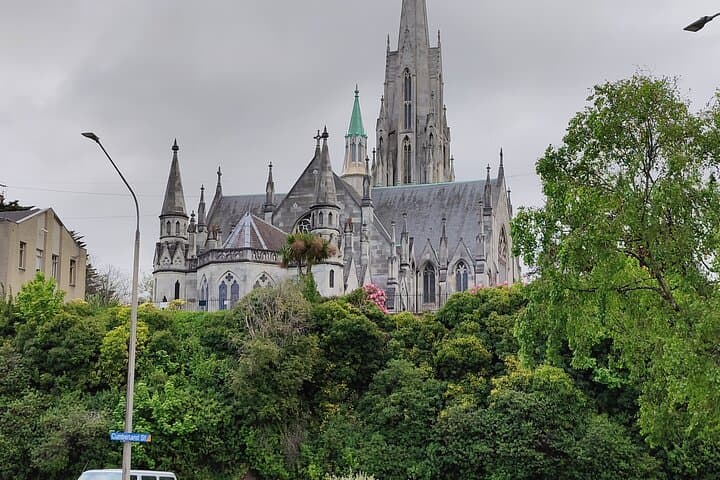

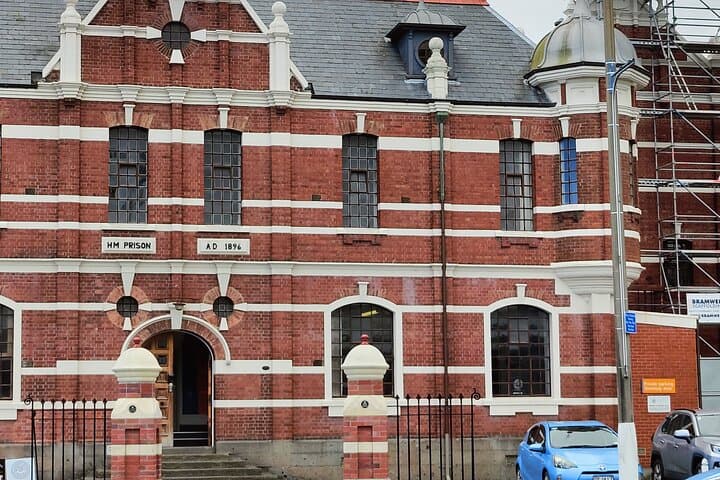
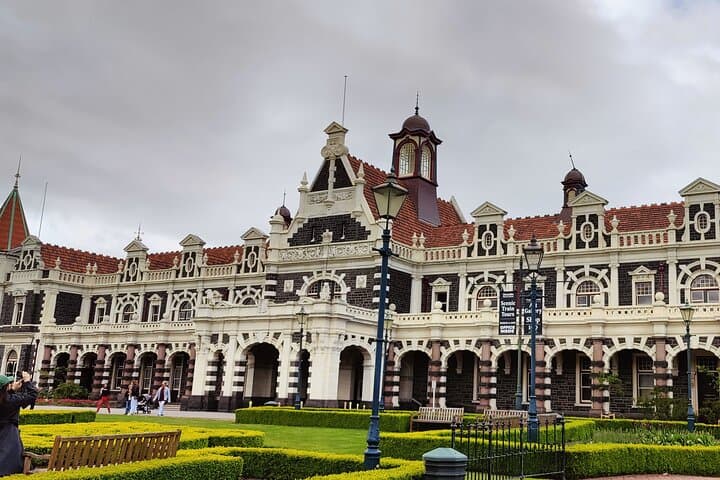
A drizzle sharpens the edges of stone and metal as you step from George Street into a web of narrow lanes where lamp posts and old brick dare you to look closer. The guide leads you past a double-ended Fairlie steam engine, through the shadow of the gothic-era prison and along the tiled face of the 1906 Flemish Renaissance railway station — each stop a chapter in a city that grew fast, loud and sometimes violent.
A drizzle sharpens the edges of stone and metal as you step from George Street into a web of narrow lanes where lamp posts and old brick dare you to look closer. The guide leads you past a double-ended Fairlie steam engine, through the shadow of the gothic-era prison and along the tiled face of the 1906 Flemish Renaissance railway station — each stop a chapter in a city that grew fast, loud and sometimes violent.
Dunedin began as a Scottish-settled port that swelled during the Otago Gold Rush; its compact inner city preserves Victorian civic ambition, convict-built terraces and the scar of Bell Hill, quarried by prisoner labour to make room for growth. Geology and harbor shaped routes and working quarters; the Octagon and Queen’s Gardens sit where commerce and recreation met. Cultural threads — Scottish Presbyterian institutions, early rail links, and the maritime economy — surface in the architecture and the stories told in these lanes.
The tour is a brisk 60–90 minute urban walk, heavy on anecdotes and discrete locations rather than long reads: Toitū points, prison and courthouse, the railway station, Stuart Street up to the Octagon, and George Street endings. Practicalities matter: the route is largely paved and wheelchair-accessible but expect steps and narrow lanes; weather turns quickly in Otago, so layers and rain protection are wise. Bring a charged phone and comfortable shoes, and plan arrival by bus or a short taxi — city parking is limited.
If you want history with a hard edge, this tour pairs accessible urban sightseeing with real, sometimes brutal, stories where they happened.