THE ADVENTURE COLLECTIVE® · Independent discovery and booking for outdoor travel

Cross the Otago Harbour by bus and boat to reach Taiaroa Head for close-up encounters with royal albatross, fur seals and Southern Ocean life. This combined bus-and-boat tour pairs onshore commentary with a wildlife-focused cruise.
Cross the Otago Harbour by bus and boat to reach Taiaroa Head for close-up encounters with royal albatross, fur seals and Southern Ocean life. This combined bus-and-boat tour pairs onshore commentary with a wildlife-focused cruise.
A cold wind pushes across Otago Harbour and the city slips away as the bus climbs the gentle shoulder of the Otago Peninsula. Passengers lean toward windows while a local guide threads together natural history and human stories — Maori settlement, whaling-era maps, and farming that shaped the slopes. The bus lets you breathe the peninsula’s exposed headlands before the group transfers to a comfortable vessel for a 90-minute Monarch cruise past Taiaroa Head.
Verified experiences and guided adventures in the surrounding area.
Operated by Monarch Wildlife Cruises & Tours · Dunedin, Otago
A cold wind pushes across Otago Harbour and the city slips away as the bus climbs the gentle shoulder of the Otago Peninsula. Passengers lean toward windows while a local guide threads together natural history and human stories — Maori settlement, whaling-era maps, and farming that shaped the slopes. The bus lets you breathe the peninsula’s exposed headlands before the group transfers to a comfortable vessel for a 90-minute Monarch cruise past Taiaroa Head.
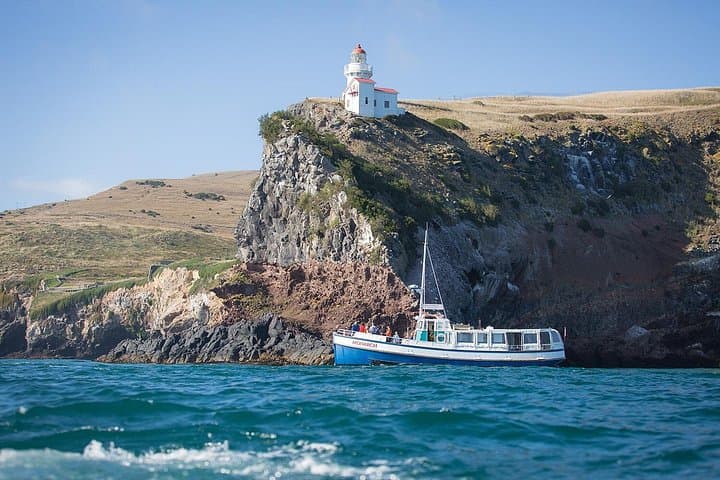
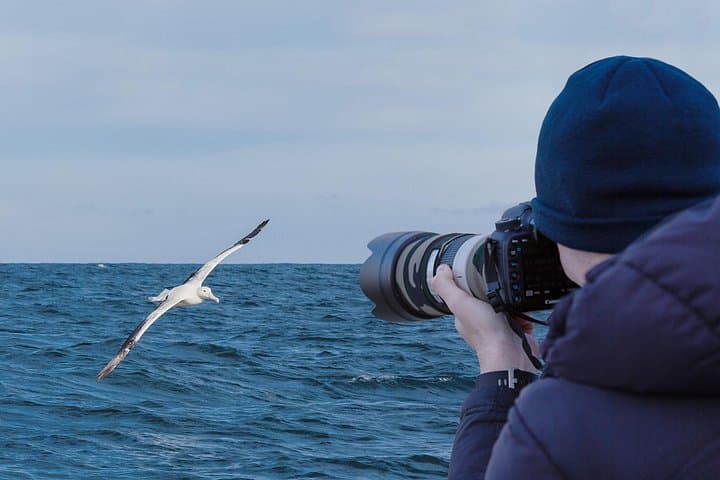
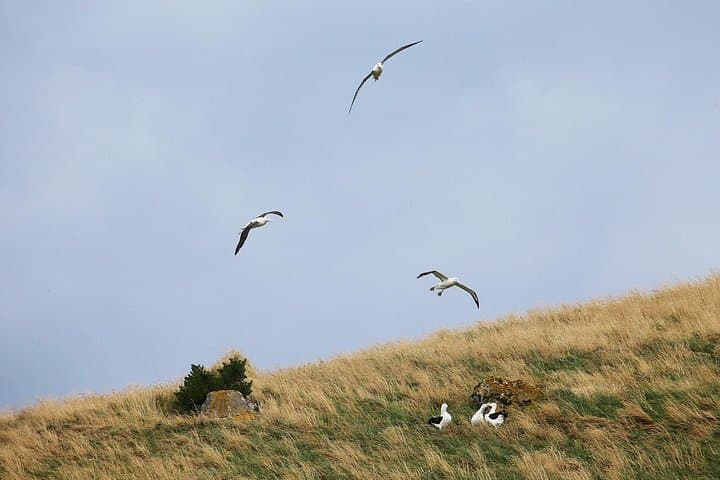
Geology here is blunt and visible: folded Cretaceous and Tertiary rocks thrust into cliffs, volcanic intrusions and marine terraces telling of sea-level swings. Taiaroa Head supports the only mainland royal albatross breeding colony; on calm days white-winged albatrosses tilt low over waves while fur seals haul out on rocky ledges. The harbor’s shallows cradle a quieter ecology — eelgrass beds and inner-harbour birds — and the guide’s commentary brings local culture into view, from early settler lighthouses to contemporary conservation work.
Plan for changing weather and sea conditions: trips run about 3–3.5 hours total, with onboard restrooms, complimentary binoculars and a hot drink during the cruise. Wear sturdy shoes and a windproof layer; stepping on and off vehicles and the boat requires a sure foot. Peak wildlife viewing is seasonal — more seabirds and active pups in spring and summer — but seals and harbour birds are year-round. If you want close views, sit on the outer deck when safe and follow the crew’s instructions for quiet, respectful viewing.
easy.
3–4 hours.
Suitable for most fitness levels; you must be able to step on/off vehicles and the boat unassisted
The full combined bus-and-boat tour runs about 3 to 3.5 hours (210 minutes listed), including the harbour cruise and peninsula commentary.
Royal albatross are often seen at Taiaroa Head, especially in breeding season, but wildlife sightings cannot be guaranteed due to weather and animal movement.
Yes — strollers are accessible and the operator allows infants; all guests must be able to step on/off the boat and vehicle.
Trips may be canceled for safety in bad weather with full refunds if canceled at least 24 hours prior; the operator also cancels for insufficient travelers.
Otago Peninsula has layered history from Māori coastal use to 19th-century whaling, farming and lighthouse construction at Taiaroa Head, which later became an important seabird conservation site.
Taiaroa Head is managed with strict protections for nesting albatross; visitors are asked to stay quiet and follow crew guidance to reduce disturbance, and the operator supports local conservation messaging.
Monarch Wildlife Cruises & Tours operates guided outdoor trips and adventures with an emphasis on safety, stewardship, and memorable experiences.
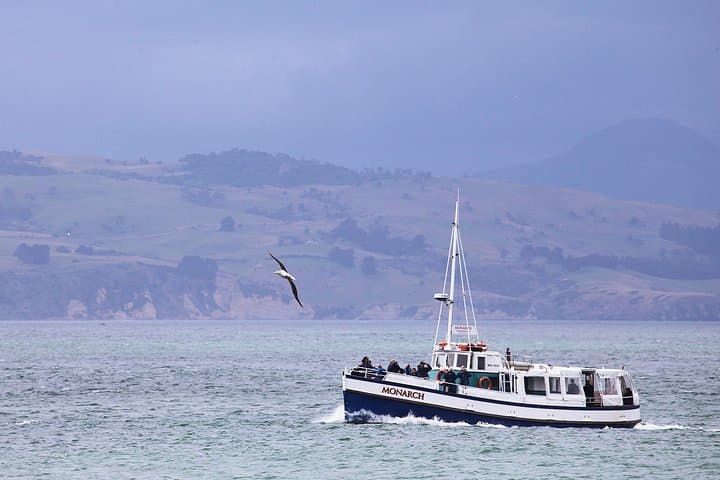
A cold wind pushes across Otago Harbour and the city slips away as the bus climbs the gentle shoulder of the Otago Peninsula. Passengers lean toward windows while a local guide threads together natural history and human stories — Maori settlement, whaling-era maps, and farming that shaped the slopes. The bus lets you breathe the peninsula’s exposed headlands before the group transfers to a comfortable vessel for a 90-minute Monarch cruise past Taiaroa Head.
A cold wind pushes across Otago Harbour and the city slips away as the bus climbs the gentle shoulder of the Otago Peninsula. Passengers lean toward windows while a local guide threads together natural history and human stories — Maori settlement, whaling-era maps, and farming that shaped the slopes. The bus lets you breathe the peninsula’s exposed headlands before the group transfers to a comfortable vessel for a 90-minute Monarch cruise past Taiaroa Head.
Geology here is blunt and visible: folded Cretaceous and Tertiary rocks thrust into cliffs, volcanic intrusions and marine terraces telling of sea-level swings. Taiaroa Head supports the only mainland royal albatross breeding colony; on calm days white-winged albatrosses tilt low over waves while fur seals haul out on rocky ledges. The harbor’s shallows cradle a quieter ecology — eelgrass beds and inner-harbour birds — and the guide’s commentary brings local culture into view, from early settler lighthouses to contemporary conservation work.
Plan for changing weather and sea conditions: trips run about 3–3.5 hours total, with onboard restrooms, complimentary binoculars and a hot drink during the cruise. Wear sturdy shoes and a windproof layer; stepping on and off vehicles and the boat requires a sure foot. Peak wildlife viewing is seasonal — more seabirds and active pups in spring and summer — but seals and harbour birds are year-round. If you want close views, sit on the outer deck when safe and follow the crew’s instructions for quiet, respectful viewing.