THE ADVENTURE COLLECTIVE® · Independent discovery and booking for outdoor travel

Explore Dunedin on a private two-hour walking tour that threads Victorian architecture, a tranquil Chinese garden, and the award-winning Toitū Otago Settlers Museum. Perfect for history buffs and first-time visitors looking for a concise, local-led introduction.
Explore Dunedin on a private two-hour walking tour that threads Victorian architecture, a tranquil Chinese garden, and the award-winning Toitū Otago Settlers Museum. Perfect for history buffs and first-time visitors looking for a concise, local-led introduction.
Morning light slants across Princes Street as your small group gathers outside the Fortune Theatre — a converted church with stories in its bricks. For two hours the city unfolds at a walker's pace: Tennyson Street’s cafes hum, the Chinese Garden’s ponds mirror pavilions, and the railway station’s carved stone waits like a proud old host.
Verified experiences and guided adventures in the surrounding area.
Operated by Opatrip.com New Zealand · Dunedin, Otago
Morning light slants across Princes Street as your small group gathers outside the Fortune Theatre — a converted church with stories in its bricks. For two hours the city unfolds at a walker's pace: Tennyson Street’s cafes hum, the Chinese Garden’s ponds mirror pavilions, and the railway station’s carved stone waits like a proud old host.
Dunedin grew fast in the mid-1800s on a boom of Scottish settlers; its Victorian and Edwardian architecture still shapes the CBD. The city sits on an ancient volcanic landscape that frames Otago Harbour; Māori (Ngāi Tahu) history and settler stories intersect in museums and streetscapes. Lan Yuan offers a calm counterpoint to the bustling Octagon and the leafy Queens Gardens, while Toitū Otago Settlers Museum stitches social history with objects that make the past tactile.
Expect even sidewalks to teach: plaques mark events, murals point to local artists, and viewpoints along the route angle toward harbour life that nudges the city’s edge. Guides focus on cultural context — industry, immigration, and the railway’s role in regional growth — while keeping the pace easy and conversational.
Practical edge: this is a low-impact, low-elevation walk over mostly paved streets totaling about 2 km; easy footwear and a light windproof layer make the difference in Dunedin’s changeable weather. Bring a reusable water bottle and the camera you won’t regret having. Morning and late-afternoon slots are best for softer light and fewer crowds. Public transport and street parking are available near the meeting point.
easy.
2 hours.
Suitable for most fitness levels; able to stand and walk for two hours with short breaks
The private tour lasts approximately two hours and covers around 1.5–2.5 km on mostly flat, paved streets.
Admission to Toitū Otago Settlers Museum is not included; your guide can advise on tickets and give a brief overview during the stop.
Much of the route is on paved streets and is accessible, but some locations may have steps; notify the operator of mobility needs when booking.
Meet at the Fortune Theatre in central Dunedin; there is nearby street parking and public transport links to the CBD.
Dunedin was founded by Scottish settlers in the 1840s and quickly became Otago’s commercial hub; its boom-era architecture still dominates the CBD.
Local groups protect heritage buildings and support coastal wildlife; visitors are asked to stick to paths and avoid disturbing nesting birds on nearby peninsulas.
Opatrip.com New Zealand operates guided outdoor trips and adventures with an emphasis on safety, stewardship, and memorable experiences.



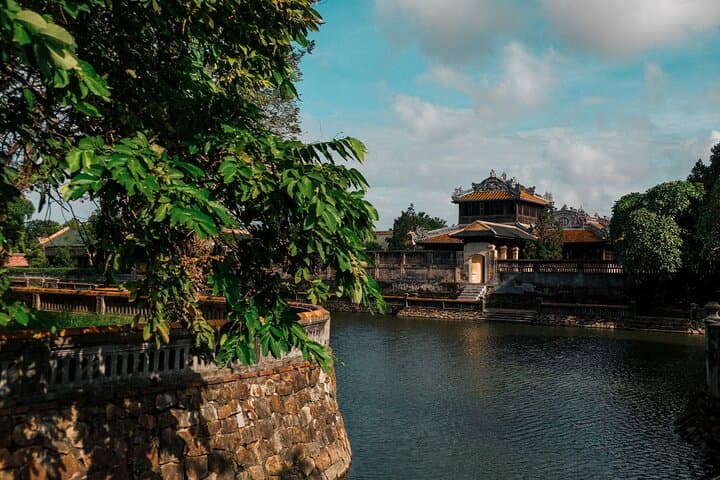
Morning light slants across Princes Street as your small group gathers outside the Fortune Theatre — a converted church with stories in its bricks. For two hours the city unfolds at a walker's pace: Tennyson Street’s cafes hum, the Chinese Garden’s ponds mirror pavilions, and the railway station’s carved stone waits like a proud old host.
Morning light slants across Princes Street as your small group gathers outside the Fortune Theatre — a converted church with stories in its bricks. For two hours the city unfolds at a walker's pace: Tennyson Street’s cafes hum, the Chinese Garden’s ponds mirror pavilions, and the railway station’s carved stone waits like a proud old host.
Dunedin grew fast in the mid-1800s on a boom of Scottish settlers; its Victorian and Edwardian architecture still shapes the CBD. The city sits on an ancient volcanic landscape that frames Otago Harbour; Māori (Ngāi Tahu) history and settler stories intersect in museums and streetscapes. Lan Yuan offers a calm counterpoint to the bustling Octagon and the leafy Queens Gardens, while Toitū Otago Settlers Museum stitches social history with objects that make the past tactile.
Expect even sidewalks to teach: plaques mark events, murals point to local artists, and viewpoints along the route angle toward harbour life that nudges the city’s edge. Guides focus on cultural context — industry, immigration, and the railway’s role in regional growth — while keeping the pace easy and conversational.
Practical edge: this is a low-impact, low-elevation walk over mostly paved streets totaling about 2 km; easy footwear and a light windproof layer make the difference in Dunedin’s changeable weather. Bring a reusable water bottle and the camera you won’t regret having. Morning and late-afternoon slots are best for softer light and fewer crowds. Public transport and street parking are available near the meeting point.