THE ADVENTURE COLLECTIVE® · Independent discovery and booking for outdoor travel

A compact full-day coach tour that pairs Dunedin’s architectural history with cliff-top coastal views and wildlife lookouts on the Otago Peninsula. Ideal for cruise passengers who want curated stops and commentary without complicated logistics.
A compact full-day coach tour that pairs Dunedin’s architectural history with cliff-top coastal views and wildlife lookouts on the Otago Peninsula. Ideal for cruise passengers who want curated stops and commentary without complicated logistics.
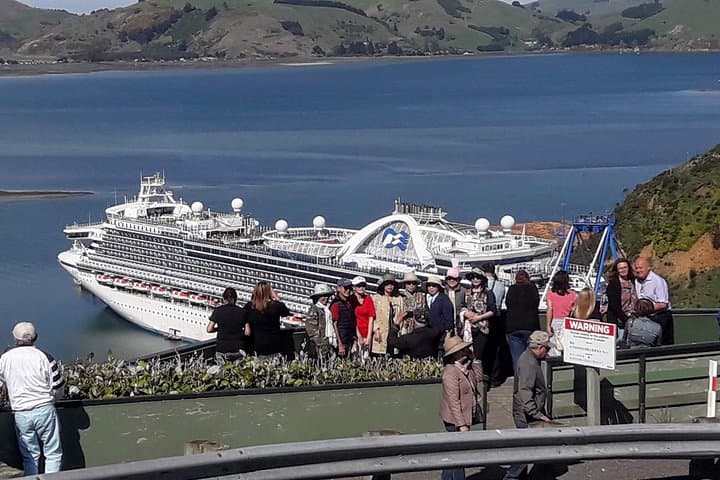
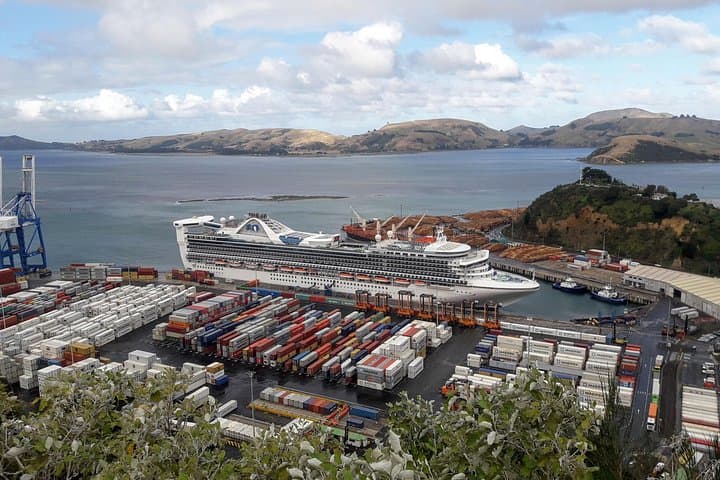
The bus eases away from Port Chalmers and the harbor widens like a promise—salt air pressing at the windows, gulls tracking the shoreline. Over six to seven hours you move between Dunedin’s urban edges and the raw sweep of the Otago Peninsula: tidy Victorian streets give way to cliff-top lookouts where the sea dares you to keep watching.
Verified experiences and guided adventures in the surrounding area.
Operated by Exploring New Zealand · Dunedin, Otago
The bus eases away from Port Chalmers and the harbor widens like a promise—salt air pressing at the windows, gulls tracking the shoreline. Over six to seven hours you move between Dunedin’s urban edges and the raw sweep of the Otago Peninsula: tidy Victorian streets give way to cliff-top lookouts where the sea dares you to keep watching.
Dunedin grew from Scottish settlement in the 19th century and wears that history in stone—ornate public buildings and the famously ornate railway station speak to a boom-era confidence. Geologically the city sits where volcanic ridges meet Pacific coastlines, so the drive to Mount Cargill (676 m peak) offers sudden elevation and wide harbour views. Culture here blends student-town energy with a strong conservation ethic; the Orokonui Ecosanctuary and predator-free projects link directly to wildlife chances on the tour.
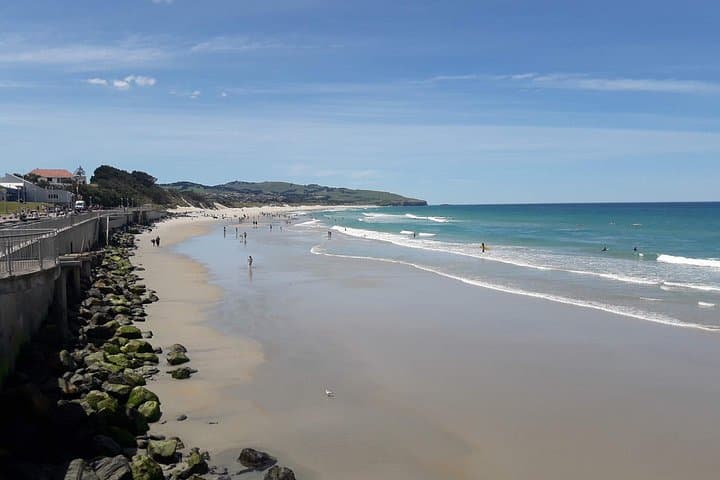
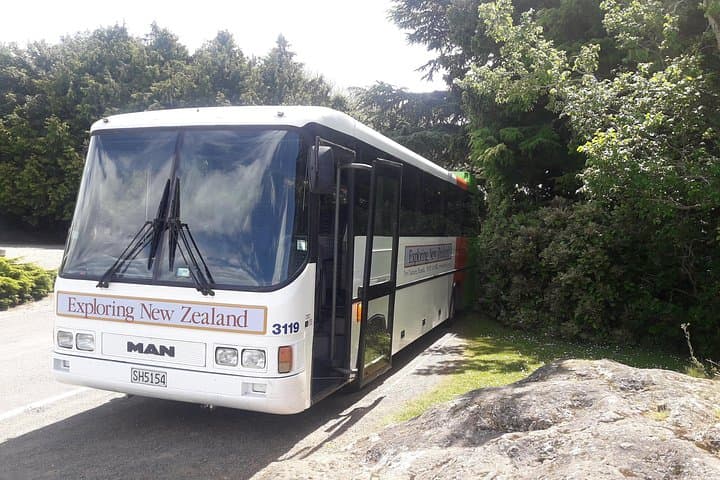
Expect a practical day: an air-conditioned coach, guided commentary, and multiple short stops—Upper and Lower Botanical Gardens, St Clair esplanade, Dunedin Railway Station, Mount Cargill lookout, and the Sandfly Bay viewpoint with its seal and penguin possibilities. Larnach Castle is optional (admission extra) if you want to stretch a walk.
Plan for variable coastal weather: layers, solid walking shoes for short strolls, and binoculars for wildlife. Bring water and a small daypack; mobility is generally accessible but some viewing points require short uphill walks. For cruise-timing, the operator meets at the private tours area in Port Otago and returns to the same terminal.
easy.
6–7 hours.
Suitable for general fitness; most activity is short, low-impact walking from the coach
The meeting point is the private tours area at the Port Otago cruise terminal (Port Chalmers); the tour departs and returns to the same location.
No—Larnach Castle admission is optional and paid by passengers at the gate or online; non-paying passengers will be taken to a nearby lookout instead.
You have solid chances to see New Zealand sea lions, little blue penguins, and other coastal birds, particularly at Sandfly Bay and peninsula vantage points, but sightings cannot be guaranteed.
Buses can usually accommodate wheelchairs and prams but passengers must be seated on the coach; some viewing points require short walks and may not be fully accessible.
Dunedin was founded by Scottish settlers in the 1840s and flourished during an Otago gold rush, which funded many of the city’s grand public buildings and Larnach Castle (1871).
Orokonui Ecosanctuary and predator-control programs aim to restore native bird populations; visitors are asked to keep to tracks and avoid disturbing wildlife.
Exploring New Zealand operates guided outdoor trips and adventures with an emphasis on safety, stewardship, and memorable experiences.
The bus eases away from Port Chalmers and the harbor widens like a promise—salt air pressing at the windows, gulls tracking the shoreline. Over six to seven hours you move between Dunedin’s urban edges and the raw sweep of the Otago Peninsula: tidy Victorian streets give way to cliff-top lookouts where the sea dares you to keep watching.
The bus eases away from Port Chalmers and the harbor widens like a promise—salt air pressing at the windows, gulls tracking the shoreline. Over six to seven hours you move between Dunedin’s urban edges and the raw sweep of the Otago Peninsula: tidy Victorian streets give way to cliff-top lookouts where the sea dares you to keep watching.
Dunedin grew from Scottish settlement in the 19th century and wears that history in stone—ornate public buildings and the famously ornate railway station speak to a boom-era confidence. Geologically the city sits where volcanic ridges meet Pacific coastlines, so the drive to Mount Cargill (676 m peak) offers sudden elevation and wide harbour views. Culture here blends student-town energy with a strong conservation ethic; the Orokonui Ecosanctuary and predator-free projects link directly to wildlife chances on the tour.
Expect a practical day: an air-conditioned coach, guided commentary, and multiple short stops—Upper and Lower Botanical Gardens, St Clair esplanade, Dunedin Railway Station, Mount Cargill lookout, and the Sandfly Bay viewpoint with its seal and penguin possibilities. Larnach Castle is optional (admission extra) if you want to stretch a walk.
Plan for variable coastal weather: layers, solid walking shoes for short strolls, and binoculars for wildlife. Bring water and a small daypack; mobility is generally accessible but some viewing points require short uphill walks. For cruise-timing, the operator meets at the private tours area in Port Otago and returns to the same terminal.