THE ADVENTURE COLLECTIVE® · Independent discovery and booking for outdoor travel

Stroll from DUMBO’s reclaimed piers to the quiet, historical avenues of Brooklyn Heights with a private guide. This four‑hour walk mixes industrial architecture, abolitionist history and waterfront panoramas with easy, paved walking and well‑timed stops.
Stroll from DUMBO’s reclaimed piers to the quiet, historical avenues of Brooklyn Heights with a private guide. This four‑hour walk mixes industrial architecture, abolitionist history and waterfront panoramas with easy, paved walking and well‑timed stops.
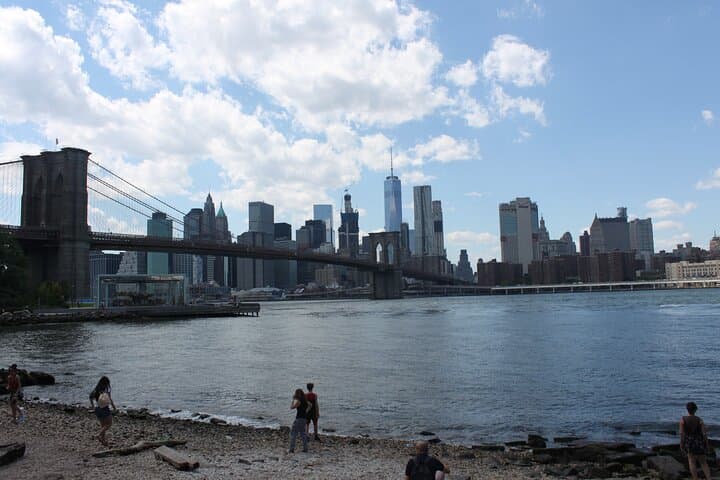
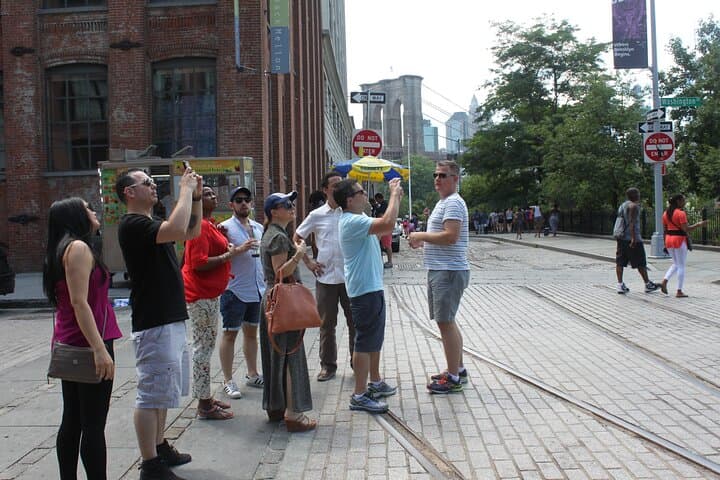
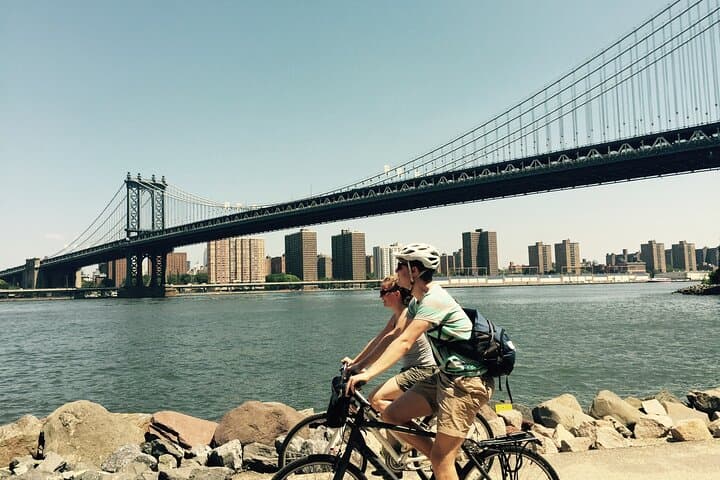
You step off the subway into a corridor of brick warehouses and cobblestone lanes; the Manhattan skyline slices the sky across the river while the bridges loom like metal ribs. A private guide leads the way, pausing to point out carved lintels, carriage houses and the ironwork that marks Brooklyn’s 19th-century streets.
Verified experiences and guided adventures in the surrounding area.
Operated by Harlem Spirituals - New York Visions · Brooklyn, New York
You step off the subway into a corridor of brick warehouses and cobblestone lanes; the Manhattan skyline slices the sky across the river while the bridges loom like metal ribs. A private guide leads the way, pausing to point out carved lintels, carriage houses and the ironwork that marks Brooklyn’s 19th-century streets.
This walk stitches together the industrial history of DUMBO (Down Under the Manhattan Bridge Overpass) with the genteel streets of Brooklyn Heights. DUMBO’s former factories—now lofts and tech offices—sit on reclaimed piers that frame sweeping East River views. Plymouth Church, known for its 19th‑century abolitionist leadership, anchors the neighborhood’s civic story; the Brooklyn Heights Promenade offers unobstructed views that shaped the city’s image for generations.
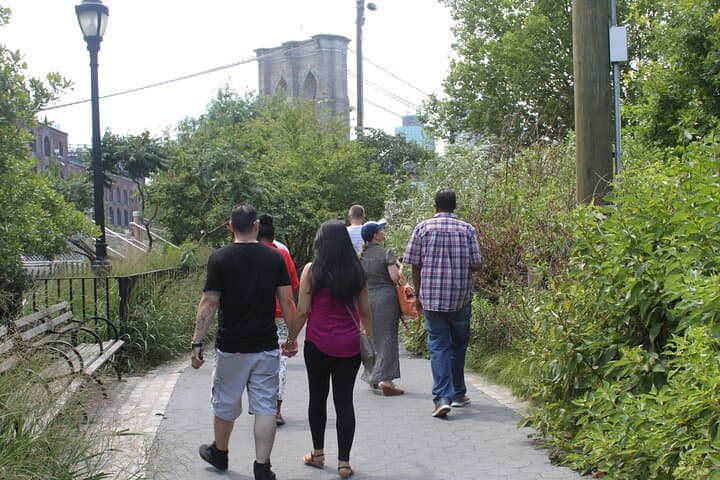
Expect roughly 2–3 miles of walking on mostly flat, paved surfaces with short stretches of cobbles and occasional steps—easy on elevation but steady underfoot. The route moves at an interpretive pace: stops at architecture, parklands, and waterfront viewpoints lengthen a four‑hour tour. Listen for urban wildlife—gulls and city pigeons—and for the ambient hum of ferries and traffic that gives the waterfront its pulse.
Practical guidance: wear supportive walking shoes, bring a refillable water bottle, and plan for variable weather—waterfront wind can be sharper than nearby inland streets. Morning light favors skyline photos; late afternoon brings golden backlight on brick and bridge cables. Public transit access is excellent; private tours typically meet at hotels, making logistics simple for travelers who want a focused, historically rich walk without navigating the borough alone.
moderate.
4 hours.
Moderate level of fitness—comfortable walking for several hours with periodic standing and short stair sections
Private tours typically meet at your hotel or a mutually agreed central location in Brooklyn; confirm the exact meeting point with the operator after booking.
Yes—many sections are pram/stroller accessible, though cobblestone streets in parts of DUMBO can be bumpy and some parks have steps.
Public restrooms exist in Brooklyn Bridge Park and nearby cafés; guides usually plan short breaks at facilities when possible.
Tipping is customary for private guides if you enjoyed the experience; 10–20% is a common range but ultimately optional based on satisfaction.
Brooklyn Heights was one of New York’s first commuter suburbs in the early 1800s; DUMBO evolved from 19th‑century manufacturing to a tech and arts hub after adaptive reuse of warehouses.
Brooklyn Bridge Park is managed with active restoration and invasive species control—stay on paths, pack out waste, and respect plantings to support ongoing stewardship.
Harlem Spirituals - New York Visions operates guided outdoor trips and adventures with an emphasis on safety, stewardship, and memorable experiences.
You step off the subway into a corridor of brick warehouses and cobblestone lanes; the Manhattan skyline slices the sky across the river while the bridges loom like metal ribs. A private guide leads the way, pausing to point out carved lintels, carriage houses and the ironwork that marks Brooklyn’s 19th-century streets.
You step off the subway into a corridor of brick warehouses and cobblestone lanes; the Manhattan skyline slices the sky across the river while the bridges loom like metal ribs. A private guide leads the way, pausing to point out carved lintels, carriage houses and the ironwork that marks Brooklyn’s 19th-century streets.
This walk stitches together the industrial history of DUMBO (Down Under the Manhattan Bridge Overpass) with the genteel streets of Brooklyn Heights. DUMBO’s former factories—now lofts and tech offices—sit on reclaimed piers that frame sweeping East River views. Plymouth Church, known for its 19th‑century abolitionist leadership, anchors the neighborhood’s civic story; the Brooklyn Heights Promenade offers unobstructed views that shaped the city’s image for generations.
Expect roughly 2–3 miles of walking on mostly flat, paved surfaces with short stretches of cobbles and occasional steps—easy on elevation but steady underfoot. The route moves at an interpretive pace: stops at architecture, parklands, and waterfront viewpoints lengthen a four‑hour tour. Listen for urban wildlife—gulls and city pigeons—and for the ambient hum of ferries and traffic that gives the waterfront its pulse.
Practical guidance: wear supportive walking shoes, bring a refillable water bottle, and plan for variable weather—waterfront wind can be sharper than nearby inland streets. Morning light favors skyline photos; late afternoon brings golden backlight on brick and bridge cables. Public transit access is excellent; private tours typically meet at hotels, making logistics simple for travelers who want a focused, historically rich walk without navigating the borough alone.