THE ADVENTURE COLLECTIVE® · Independent discovery and booking for outdoor travel

Dum Pukht at ITC Maurya revives Awadhi royal slow-cooking with sealed-handi technique and refined service. Expect a two-hour, reservation-first tasting that highlights aged basmati, clarified butter, and dishes rooted in Mughal-Awadh traditions.
Dum Pukht at ITC Maurya revives Awadhi royal slow-cooking with sealed-handi technique and refined service. Expect a two-hour, reservation-first tasting that highlights aged basmati, clarified butter, and dishes rooted in Mughal-Awadh traditions.
You step through the doors of ITC Maurya and the air rearranges itself—cardamom and ghee coax you forward, while a low, satisfied hiss from sealed handis promises depth of flavor.
Verified experiences and guided adventures in the surrounding area.
Operated by SITA World Tours · New Delhi, Delhi
You step through the doors of ITC Maurya and the air rearranges itself—cardamom and ghee coax you forward, while a low, satisfied hiss from sealed handis promises depth of flavor.
Dum Pukht revives an old royal practice from the Awadh courts: meat and rice slow-cooked in a sealed pot so steam and spices force their way into every grain. The technique spread across north Indian kitchens and relies on long-cultivated ingredients—aged basmati from the Indo-Gangetic plains and clarified butter—whose terroir owes itself to the fertile alluvial soils of the region.
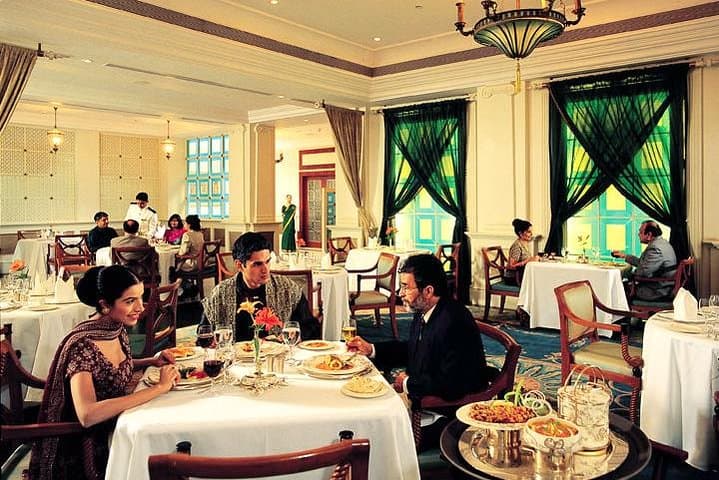
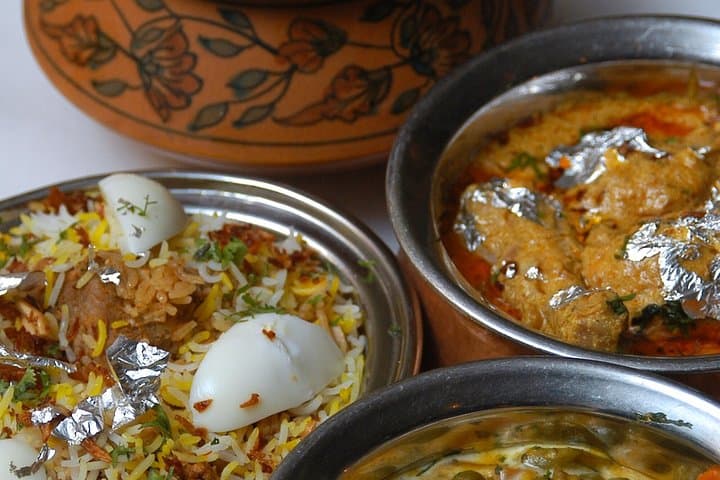
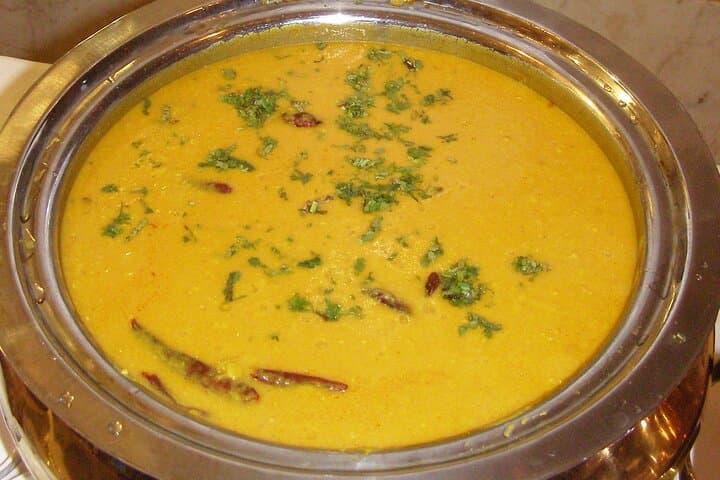
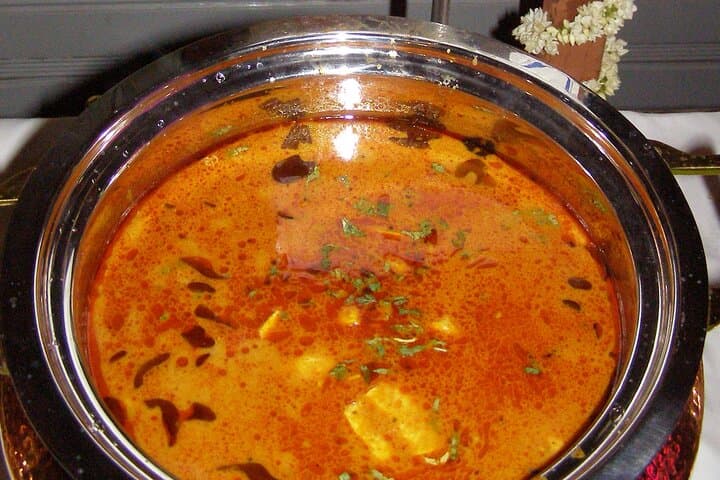
At the table you’ll encounter dishes with lineage: Kakori kebab’s silkiness, the layered fragrance of Dum Pukht biryani, and Shahi Nihari’s slow-broken richness. Service is precise and formal, informed by decades of fine-dining practice; a chef or senior staffer may explain the handi-sealing ritual and menu provenance.
Practicalities matter here: reservations are essential for dinner service, menus include a la carte and tasting options, and the venue enforces smart attire. The experience runs about two hours and is best enjoyed with a clear note of dietary restrictions on booking—many dishes are rich and use clarified butter and cream.
For travelers, this is a culinary immersion rather than a quick meal: come hungry, leave with an appreciation for technique and provenance. Whether you’re tracing Mughal-Awadh history through flavor or simply seeking a standout meal in New Delhi, Dum Pukht delivers a slow, deliberate conversation between spice and time.
easy.
2 hours.
No special fitness required—this is a seated culinary experience suitable for most guests in reasonable health.
Yes—reserve in advance, especially for dinner and weekends; bookings typically guarantee a two-hour seating.
Smart-casual is recommended; avoid beachwear and excessively casual attire to match the hotel’s dining standards.
Yes—inform the restaurant at booking; while many signature dishes use dairy and meat, chefs can often suggest or prepare alternatives.
This experience lists hotel pickup and drop-off via air-conditioned vehicle when included in your booking—confirm details at reservation.
Dum pukht originated in the royal kitchens of Awadh (present-day Lucknow) and was refined under Mughal influence; the sealed-pot method was designed to concentrate aromas and honor royal dining etiquette.
The restaurant sources regional staples like aged basmati and local produce; guests can reduce waste by ordering portions to share and notifying staff about preferences to avoid excess.
SITA World Tours operates guided outdoor trips and adventures with an emphasis on safety, stewardship, and memorable experiences.
You step through the doors of ITC Maurya and the air rearranges itself—cardamom and ghee coax you forward, while a low, satisfied hiss from sealed handis promises depth of flavor.
You step through the doors of ITC Maurya and the air rearranges itself—cardamom and ghee coax you forward, while a low, satisfied hiss from sealed handis promises depth of flavor.
Dum Pukht revives an old royal practice from the Awadh courts: meat and rice slow-cooked in a sealed pot so steam and spices force their way into every grain. The technique spread across north Indian kitchens and relies on long-cultivated ingredients—aged basmati from the Indo-Gangetic plains and clarified butter—whose terroir owes itself to the fertile alluvial soils of the region.
At the table you’ll encounter dishes with lineage: Kakori kebab’s silkiness, the layered fragrance of Dum Pukht biryani, and Shahi Nihari’s slow-broken richness. Service is precise and formal, informed by decades of fine-dining practice; a chef or senior staffer may explain the handi-sealing ritual and menu provenance.
Practicalities matter here: reservations are essential for dinner service, menus include a la carte and tasting options, and the venue enforces smart attire. The experience runs about two hours and is best enjoyed with a clear note of dietary restrictions on booking—many dishes are rich and use clarified butter and cream.
For travelers, this is a culinary immersion rather than a quick meal: come hungry, leave with an appreciation for technique and provenance. Whether you’re tracing Mughal-Awadh history through flavor or simply seeking a standout meal in New Delhi, Dum Pukht delivers a slow, deliberate conversation between spice and time.