THE ADVENTURE COLLECTIVE® · Independent discovery and booking for outdoor travel

Explore Qatar’s lesser-known west coast on a half-day tour that pairs Zekreet’s wind-sculpted rock formations and Richard Serra’s monumental sculpture with beach time and wildlife sightings. Ideal for travelers who want a compact mix of nature, art, and cultural history outside Doha.
Explore Qatar’s lesser-known west coast on a half-day tour that pairs Zekreet’s wind-sculpted rock formations and Richard Serra’s monumental sculpture with beach time and wildlife sightings. Ideal for travelers who want a compact mix of nature, art, and cultural history outside Doha.
You step out of an air-conditioned van onto wind-scoured sand and the coast opens ahead — Zekreet's low cliffs meeting a wide, quiet sea. The air tastes faintly of oil and ocean: reminders that this is both a working landscape and an unexpected place of calm. Your guide points toward the ribbed umbrella rocks; beyond them, the steel arcs of Richard Serra’s East-West/West-East rise like a human-made canyon against the dunes.
Verified experiences and guided adventures in the surrounding area.
Operated by Travel Designer WLL · Dukhan, Al-Shahaniya
You step out of an air-conditioned van onto wind-scoured sand and the coast opens ahead — Zekreet's low cliffs meeting a wide, quiet sea. The air tastes faintly of oil and ocean: reminders that this is both a working landscape and an unexpected place of calm. Your guide points toward the ribbed umbrella rocks; beyond them, the steel arcs of Richard Serra’s East-West/West-East rise like a human-made canyon against the dunes.
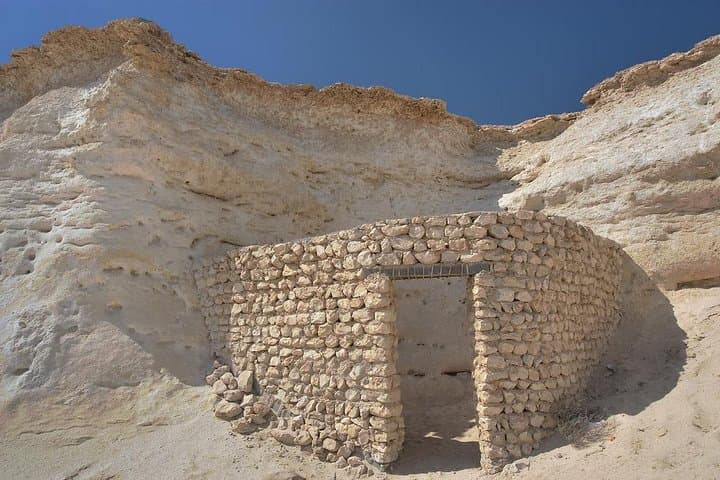
This stretch of Qatar’s west coast carries a layered history: Paleolithic flint finds, more recent pearl-diving and camel routes, and in the 20th century, the development of the Dukhan oil field that reshaped the region economically and physically. Geologically, wind-carved limestone and jebel-like formations produce dramatic shadows; dunes migrate slowly inland, and the shoreline reveals tidal flats and rock shelves popular with local campers.
Culturally you’ll see evidence of modern Qatar — the private Sheikh Faisal Museum houses artifacts from Bedouin, Islamic, and regional trading histories — and the oryx, which still roams protected reserves, appears as a living emblem of the peninsula.
Practical guidance: tours run about four hours with hotel pickup in Doha. Expect short walks on uneven, often sandy terrain; bring sun protection, water, and sturdy shoes. Photography is widely welcome, but note restrictions near oil-and-gas sites. Plan morning or late-afternoon visits in shoulder seasons to avoid the peak summer heat. The route balances easy coastal moments with brief exploratory walks among rocks and sculpture — an accessible, compact introduction to Qatar’s quieter west coast.
moderate.
4 hours.
Suitable for travelers with moderate fitness — able to walk short distances (10–30 minutes) on uneven terrain and climb low rock features.
The excursion is approximately four hours and typically includes door-to-door pickup from Doha hotels or a prearranged meeting point.
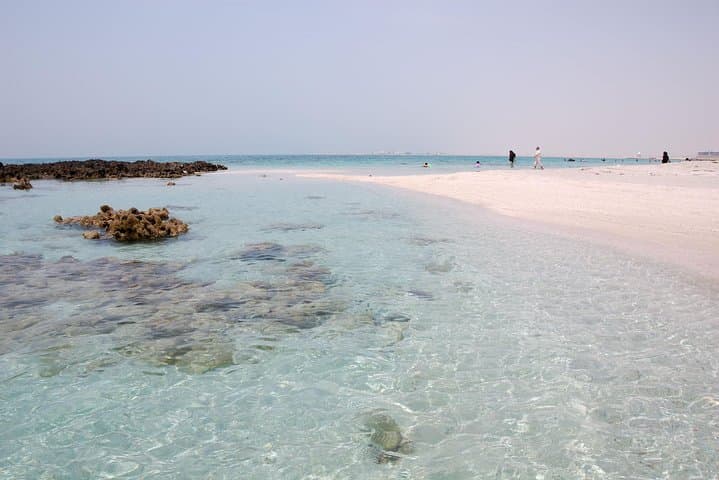
Yes — short swims are possible and optional water sports like kayaking or paddleboarding may be available for an extra fee, but check with your operator on equipment and conditions.
Photography is allowed at natural and art sites but is strictly prohibited near oil-and-gas facilities; follow your guide’s instructions to avoid restricted areas.
Moderate fitness is recommended; short walks on uneven ground may be challenging for some elderly guests or very young children — notify the operator of mobility concerns when booking.
Dukhan transformed from a traditional coastal and desert economy into Qatar’s principal early oil town in the 20th century, shaping modern settlement and infrastructure along the west coast.
This coastal environment is sensitive: avoid disturbing vegetation and wildlife, pack out all trash, and follow local guidance to protect nesting birds and fragile rock formations.
Travel Designer WLL operates guided outdoor trips and adventures with an emphasis on safety, stewardship, and memorable experiences.

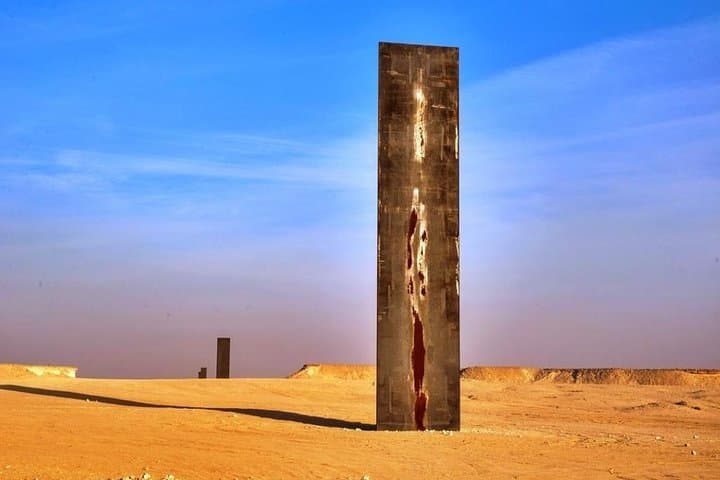
You step out of an air-conditioned van onto wind-scoured sand and the coast opens ahead — Zekreet's low cliffs meeting a wide, quiet sea. The air tastes faintly of oil and ocean: reminders that this is both a working landscape and an unexpected place of calm. Your guide points toward the ribbed umbrella rocks; beyond them, the steel arcs of Richard Serra’s East-West/West-East rise like a human-made canyon against the dunes.
You step out of an air-conditioned van onto wind-scoured sand and the coast opens ahead — Zekreet's low cliffs meeting a wide, quiet sea. The air tastes faintly of oil and ocean: reminders that this is both a working landscape and an unexpected place of calm. Your guide points toward the ribbed umbrella rocks; beyond them, the steel arcs of Richard Serra’s East-West/West-East rise like a human-made canyon against the dunes.
This stretch of Qatar’s west coast carries a layered history: Paleolithic flint finds, more recent pearl-diving and camel routes, and in the 20th century, the development of the Dukhan oil field that reshaped the region economically and physically. Geologically, wind-carved limestone and jebel-like formations produce dramatic shadows; dunes migrate slowly inland, and the shoreline reveals tidal flats and rock shelves popular with local campers.
Culturally you’ll see evidence of modern Qatar — the private Sheikh Faisal Museum houses artifacts from Bedouin, Islamic, and regional trading histories — and the oryx, which still roams protected reserves, appears as a living emblem of the peninsula.
Practical guidance: tours run about four hours with hotel pickup in Doha. Expect short walks on uneven, often sandy terrain; bring sun protection, water, and sturdy shoes. Photography is widely welcome, but note restrictions near oil-and-gas sites. Plan morning or late-afternoon visits in shoulder seasons to avoid the peak summer heat. The route balances easy coastal moments with brief exploratory walks among rocks and sculpture — an accessible, compact introduction to Qatar’s quieter west coast.